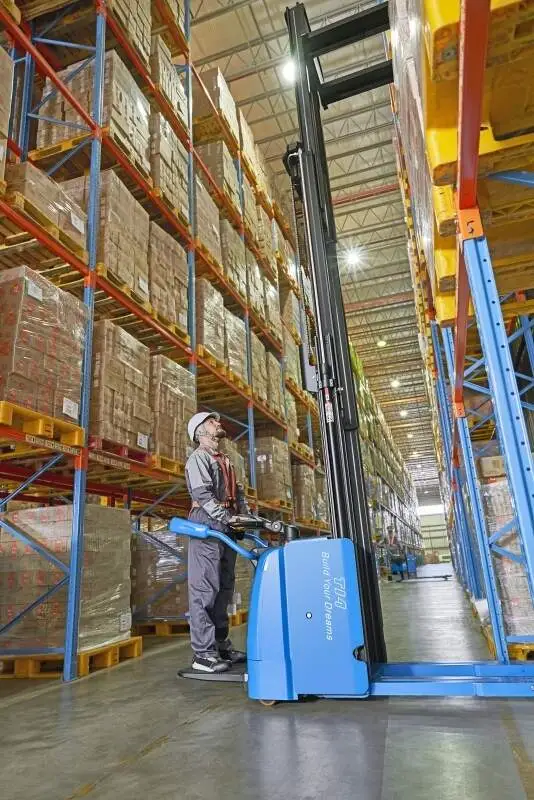
Operating electric forklifts within industrial premises requires strict adherence to safety protocols to protect personnel, equipment, and inventory. These guidelines are designed to standardize practices and minimize risks in busy warehouse, manufacturing, and distribution environments.
Pre-Operation Inspection
Before starting any forklift task, conduct a thorough pre-operation check to ensure the vehicle is in safe working condition. Begin by verifying the battery charge level; low power can lead to unexpected shutdowns mid-operation. Inspect the braking system for responsiveness, checking both foot and hand brakes. Examine tires for proper inflation, wear, or damage that could affect stability. Ensure all lights—including headlights, taillights, and turn signals—are functional to maintain visibility in low-light areas. Finally, inspect the forks for cracks, bending, or wear, and confirm that the fork positioner and lift mechanism operate smoothly. Also, scan the immediate work area for obstacles, spills, or personnel to avoid initial hazards.
Safe Driving Practices
When navigating industrial premises, prioritize controlled and alert driving. Adhere to posted speed limits, which are typically lower in narrow aisles, crowded areas, or near pedestrian zones. Maintain a safe following distance from other vehicles and stationary objects to allow ample time for stopping. Slow down significantly before turning, and use turn signals to alert others of your intended direction. Always be mindful of blind spots, especially when carrying large loads; use side mirrors and honk the horn to notify nearby personnel of your presence. Avoid sudden starts, stops, or sharp turns, as these can cause load instability or loss of control. Remember that pedestrians have the right of way—always yield to foot traffic and use caution in crosswalks or designated pedestrian areas.
Load Handling Procedures
Proper load handling is critical to preventing tip-overs and inventory damage. Never exceed the forklift’s rated load capacity, which is clearly marked on the vehicle. When picking up a load, position the forks at a width that evenly distributes the weight, and insert them fully under the pallet to ensure stability. Lift the load just high enough to clear the ground when traveling—usually 4 to 6 inches—to reduce the risk of tipping. Avoid tilting the mast excessively when carrying loads, and keep the load as close to the ground as possible during transport. If transporting tall or unstable loads, drive extra slowly and avoid sudden maneuvers. When lowering the load, do so gradually and ensure it is placed securely on a stable surface before retracting the forks.
Parking and Shutdown Protocols
When the forklift is not in use, follow proper parking and shutdown steps to prevent accidental movement. Park only in designated areas that are level, well-lit, and free of obstacles. Engage the parking brake firmly and lower the forks to the ground to stabilize the vehicle. Turn off the ignition, remove the key, and disconnect the battery if the forklift will be idle for an extended period. Never leave a forklift unattended with the engine running or forks raised, as this poses a significant safety risk to nearby personnel.
Emergency Response
In the event of an emergency, remain calm and follow established procedures. If the forklift experiences a mechanical failure such as brake loss, gradually reduce speed by shifting to a lower gear (if applicable) and steer towards an open, unoccupied area to stop. If a collision or spill occurs, immediately shut down the forklift, assess any injuries, and report the incident to a supervisor promptly. Familiarize yourself with the location of fire extinguishers and first aid kits in your work area, and know how to use them in case of a fire or injury. Regular emergency drills can help ensure you are prepared to respond effectively to unexpected situations.
By following these practical operating guidelines, forklift operators can create a safer work environment, reduce the risk of accidents, and extend the lifespan of equipment. Consistent training and adherence to these rules are essential for all personnel operating electric forklifts in industrial settings.