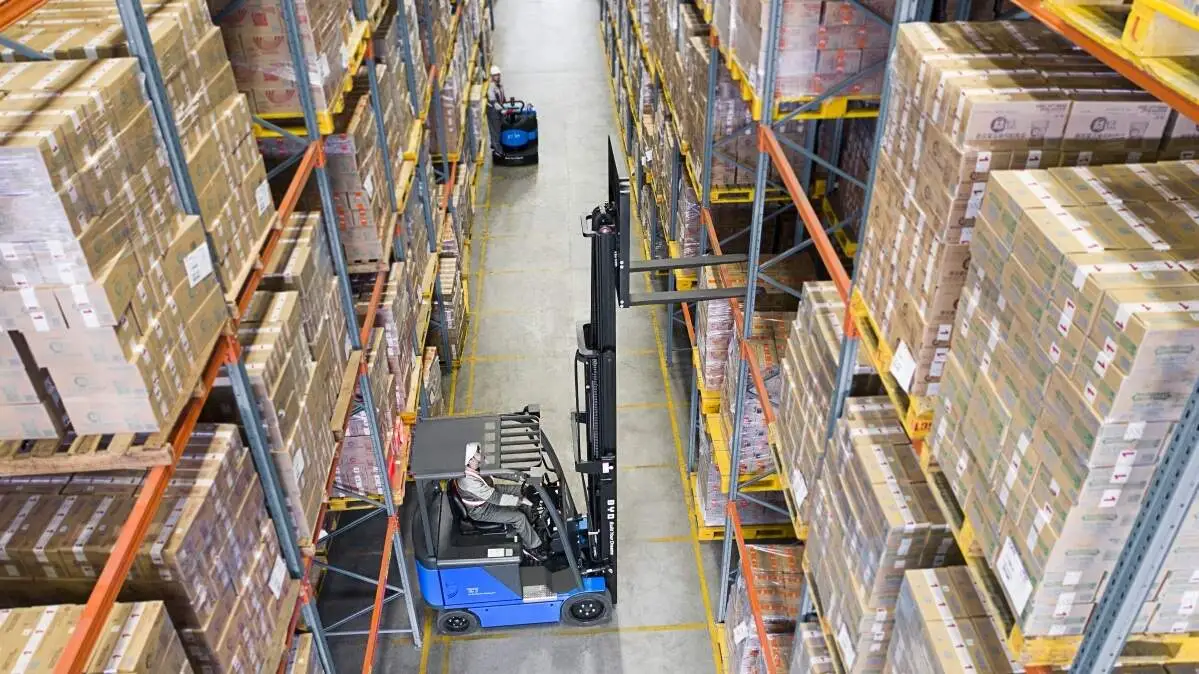
In the fast-paced world of warehouse operations, logistics, and material handling, accurate load weighing is critical for safety, compliance, and operational efficiency. forklift scale fork attachments have emerged as a practical solution to integrate weighing capabilities directly into standard forklifts, eliminating the need for separate weighing stations and streamlining workflows.
Unlike traditional weighing methods that require transporting loads to a fixed scale, these attachments enable real-time weight measurement as the forklift lifts and moves materials. This immediate data helps operators verify load weights on the spot, ensuring they adhere to weight limits set by regulatory bodies and preventing overloading, which can pose safety risks and damage equipment. Additionally, real-time weighing reduces the time spent on manual weight checks, allowing teams to process more loads in less time, boosting overall productivity.
Installing forklift scale fork attachments is a straightforward process that typically involves replacing standard forklift forks with the scale-equipped versions or attaching the weighing components to existing forks. Most models are designed to be compatible with a wide range of forklift types, making them a versatile addition to any material handling fleet. Once installed, operators can easily read weight displays mounted on the forklift’s dashboard, which provide clear, digital readings that minimize human error.
These attachments are particularly valuable in environments where load accuracy is paramount. For warehouses, they help optimize inventory management by providing precise weight data for incoming and outgoing shipments. In logistics, they ensure that trucks are loaded within legal weight limits, avoiding costly fines and delays. Manufacturing facilities benefit from accurate weighing during production processes, ensuring that raw materials and finished goods are handled correctly.
To maintain optimal performance, regular calibration and maintenance are essential. Calibration should be performed according to standard guidelines, typically at scheduled intervals or after significant use, to ensure weight readings remain accurate. Routine inspections of the attachment’s components, such as sensors and wiring, can help identify potential issues early, preventing downtime and extending the lifespan of the equipment. Operators should also receive proper training on how to use the attachments, including understanding weight limits and interpreting display data correctly.
Overall, forklift scale fork attachments offer a practical, cost-effective way to enhance load weighing processes. By integrating weighing capabilities directly into daily material handling tasks, businesses can improve safety, ensure compliance, and boost operational efficiency, making these tools a valuable investment for any organization relying on forklifts for load management.