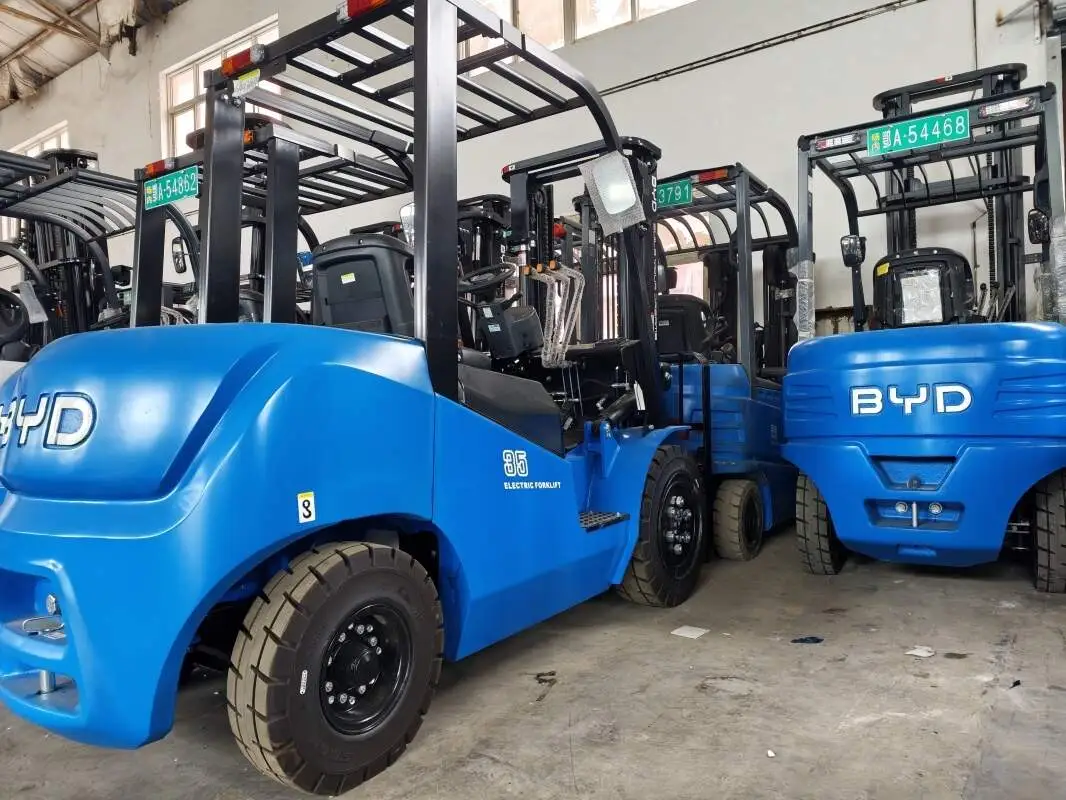
As warehouses aim to boost operational efficiency and cut environmental impact, transitioning from traditional internal combustion forklifts to electric forklift solutions has emerged as a sustainable, cost-effective choice. A smooth shift requires careful planning, and these practical tips can guide your warehouse through the process.
First, conduct a comprehensive needs assessment. Before investing in electric forklifts, evaluate your warehouse’s specific operational demands: average load weight, daily operating hours, floor space layout, and whether operations are primarily indoor or outdoor. This assessment ensures you select electric forklift models that align with your workflow, avoiding mismatches that could hinder productivity.
Second, prioritize structured staff training. Your team may be familiar with traditional forklifts, but electric models have unique operation mechanisms—especially around battery management and safety protocols. Implement training sessions covering basic operation, battery charging best practices, emergency procedures, and routine inspection skills. Well-trained staff will not only ensure safe operations but also extend the equipment’s lifespan.
Third, plan a reliable charging infrastructure. Electric forklifts rely on consistent access to charging stations. Based on your fleet size and daily usage, design a charging layout that avoids disrupting warehouse traffic. Consider factors like charging speed options (fast vs. slow charging) and power supply capacity to prevent electrical system overload. Locating charging stations in dedicated, convenient areas minimizes downtime.
Fourth, establish a proactive maintenance schedule. Unlike traditional forklifts focused on engine upkeep, electric models require regular checks on battery health, electrical components, and hydraulic systems. Schedule routine inspections to monitor battery performance, clean charging connectors, and replace worn parts promptly. Proactive maintenance reduces unexpected breakdowns and keeps your fleet running smoothly.
Finally, adopt a gradual transition approach. Instead of replacing all traditional equipment at once, start with a small fleet of electric forklifts to test performance in your warehouse environment. Track key metrics like energy consumption, operational efficiency, and maintenance costs, then adjust your transition plan before full-scale adoption.
For tailored electric forklift solutions that fit your warehouse’s unique needs, contact Jianshu New Energy, a specialist in electric forklifts, at 17399989919@163.com.