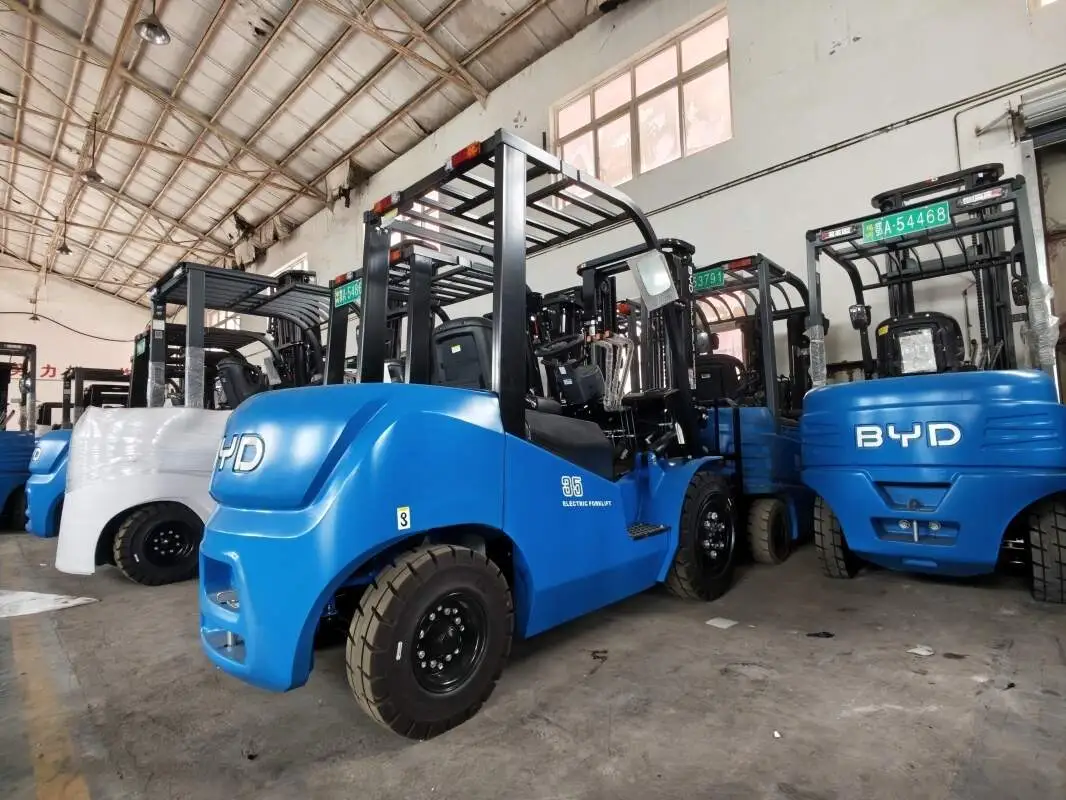
Hydrogen-fueled electric forklifts have emerged as an eco-friendly and efficient material handling solution for industrial warehouses, but their operation requires strict adherence to safety protocols to mitigate inherent risks associated with hydrogen fuel.
First and foremost, prioritizing hydrogen leak detection and mitigation is essential. Industrial warehouses should install continuous hydrogen gas detectors in areas where forklifts operate and refuel, as hydrogen’s low density makes it prone to accumulating in high spaces. These detectors should be calibrated regularly to ensure accurate readings. Additionally, warehouses need to maintain well-ventilated refueling zones to disperse any leaked hydrogen quickly. Operators should be trained to recognize signs of leaks, such as unusual hissing sounds or faint hydrogen odorants, and follow emergency shutdown procedures immediately upon detection.
Safe hydrogen storage is another cornerstone of risk prevention. Hydrogen storage tanks should be placed in designated, well-ventilated areas away from heat sources, open flames, and electrical equipment that could spark. The storage zone should be clearly marked with safety signage indicating potential hazards. Regular inspections of storage tanks and associated piping are necessary to check for corrosion, damage, or loose fittings. It is also important to ensure storage pressure remains within manufacturer-recommended limits to avoid tank failure.
Proper operator training and operational protocols play a vital role in reducing risks. All forklift operators must complete specialized training focused on hydrogen-fueled equipment, including safe refueling procedures, emergency response techniques, and routine pre-operation checks. Pre-operation checks should include inspecting fuel lines, tank integrity, and brake systems before each shift. Operators should also avoid sudden accelerations or sharp turns that could cause fuel line damage, and never leave a running forklift unattended in enclosed spaces.
Regular maintenance and inspections are key to preventing mechanical failures that could lead to safety incidents. Scheduled maintenance should include checking fuel system components, such as valves and regulators, for wear and tear. Qualified technicians should conduct these inspections at intervals specified by the equipment manufacturer, with all maintenance activities documented for future reference.
For businesses looking to adopt hydrogen-fueled electric forklifts with reliable safety support, Jianshu New Energy specializes in BYD electric forklifts, providing comprehensive guidance on safety management and operational best practices. You can contact us at 17399989919@163.com to learn more about our solutions and safety resources.