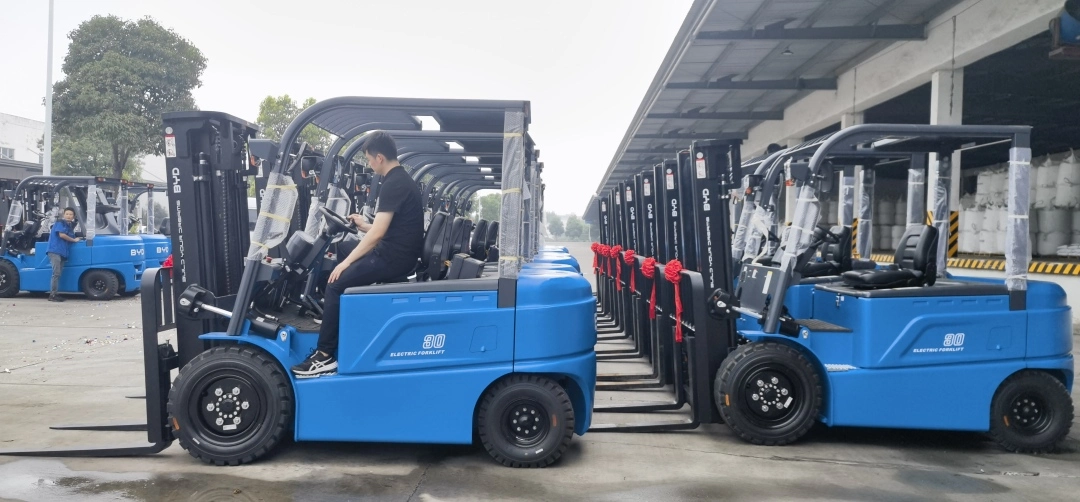
Investing in a second-hand electric forklift can be a cost-effective solution for businesses needing material handling equipment, but thorough inspection is critical to avoid unexpected repair costs and ensure operational safety. Below are practical tips to evaluate the condition of a used electric forklift before making a purchase.
Start with the battery, as it’s one of the most expensive components of an electric forklift. Inspect the battery casing for signs of corrosion, cracks, or fluid leaks—these can indicate poor maintenance or internal damage. Use a voltmeter to test the battery’s voltage; a fully charged battery should meet standard voltage ranges. Ask the seller about the battery’s age and charging history, including how often it’s been fully charged and if it’s ever been replaced. A well-maintained battery can extend the forklift’s lifespan significantly.
Next, examine the motor and electrical components. Turn on the forklift and listen for unusual noises like grinding or whirring from the motor, which may signal worn bearings or internal issues. Inspect all wiring for fraying, loose connections, or exposed copper, as damaged wiring can lead to electrical failures. Check the dashboard indicators to ensure they light up correctly and provide accurate readings. Test the acceleration and braking systems to confirm the motor responds smoothly without delays or jerks.
The hydraulic system is essential for lifting and moving loads, so a detailed check is necessary. Operate the lift and tilt functions multiple times to observe if they move smoothly without hesitation or strange sounds. Check the hydraulic fluid level and inspect its color—clean hydraulic fluid should be clear or amber, while dark, murky fluid may indicate contamination or lack of maintenance. Look for signs of fluid leaks around hoses, fittings, or the hydraulic pump; even small leaks can lead to system failure over time.
Don’t overlook the forklift’s body and structural integrity. Inspect the frame for any cracks, bends, or weld repairs, which could suggest the forklift has been involved in accidents or overloaded. Check the condition of the tires—excessive wear or uneven tread can affect stability and maneuverability. Examine the forks for signs of bending, cracking, or excessive wear, as damaged forks pose a safety risk when lifting heavy loads.
Finally, conduct a full operational test. Take the forklift for a short drive in different environments, including flat surfaces and slight ramps, to test steering responsiveness and braking efficiency. Ensure the brakes engage quickly and smoothly without squealing or grabbing. Test the lift capacity by lifting a moderately heavy load to confirm the hydraulic system and forks perform as expected. Pay attention to any vibrations or unusual movements during operation, which could indicate underlying mechanical issues.
By following these practical inspection tips, you can assess the true condition of a second-hand electric forklift, identify potential problems early, and make an informed purchase that aligns with your business needs and safety standards.