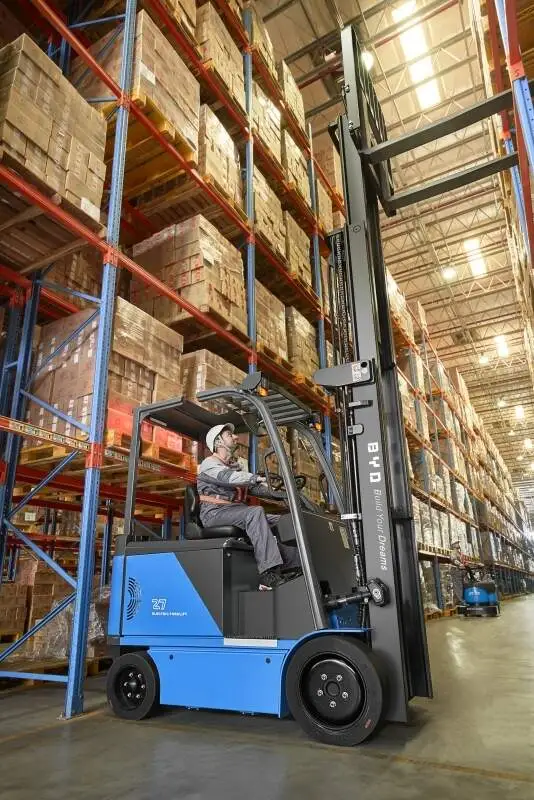
When evaluating a 7 ton forklift truck for purchase, site-matching is a critical step that directly affects operational efficiency, safety, and cost-effectiveness. Overlooking this assessment can lead to mismatched equipment that struggles with workspace constraints or fails to meet load demands, causing unnecessary downtime and maintenance costs.
First, conduct a detailed workspace layout assessment. Measure main aisle widths, junction turning radii, and storage area ceiling heights. A 7 ton forklift needs sufficient clearance to maneuver safely; narrow warehouses or tight corners require models with optimized turning radii to avoid collisions with racks, walls, or other equipment. Ensure the forklift’s maximum lift height matches your storage rack heights to avoid limitations in accessing vertical storage spaces.
Next, analyze the terrain conditions of your operating site. Indoor environments with smooth concrete floors demand different tire specifications than outdoor locations with uneven gravel, muddy surfaces, or steep ramps. Solid rubber tires are ideal for indoor use, offering stable performance and minimizing floor damage, while pneumatic tires are better suited for outdoor terrain to absorb shocks and maintain reliable traction on uneven ground. If your site includes ramps, verify the forklift’s gradeability rating to ensure it can safely transport full loads up and down inclines without compromising performance or operator safety.
Then, align the forklift’s capabilities with your specific load requirements. Evaluate the types of loads you regularly handle—whether they are standard pallets, heavy machinery components, or oversized items. The forklift’s fork length, load center, and maximum lift capacity must match these load characteristics to ensure secure and efficient handling. For operations involving frequent, heavy lifts, consider the forklift’s power source efficiency to maintain consistent performance throughout extended work shifts.
Finally, take into account site-specific environmental factors. Facilities with sensitive materials or enclosed spaces may benefit from electric 7 ton forklifts, which produce zero emissions and reduce noise levels compared to internal combustion models. If your site operates in cold or humid conditions, ensure the forklift’s components are designed to withstand these environments to prevent premature wear and tear, thus extending the equipment’s service life.
By completing a thorough site-matching evaluation before purchasing a 7 ton forklift, you can select equipment that seamlessly integrates with your operational needs, reduces safety risks, and maximizes return on investment. Always prioritize a comprehensive on-site assessment to ensure every aspect of the forklift aligns with your workspace, terrain, and load requirements.