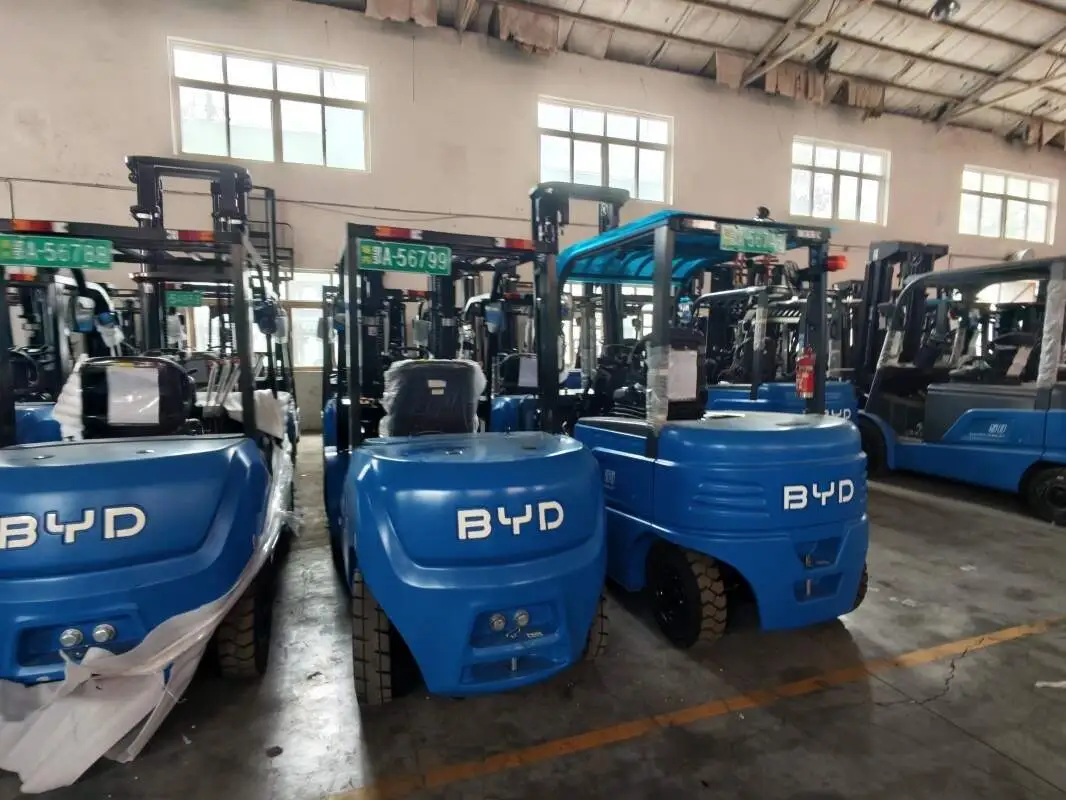
Slow lifting speed in an electric forklift’s mast system is a common issue that can hamper operational efficiency in warehouses, distribution centers, and industrial settings. Addressing this problem promptly requires a systematic approach to identify and resolve underlying causes. Below is a practical troubleshooting guide to help you diagnose and fix slow mast lifting speed.
1. Check Hydraulic Fluid Condition and Level
The hydraulic system is the core of the mast’s lifting function, so start with a thorough inspection of the hydraulic fluid. First, verify the fluid level against the manufacturer’s guidelines—low fluid levels can reduce pressure, leading to sluggish lifting. If the level is low, top it up with the recommended type of hydraulic fluid, ensuring no contaminants enter the system. Next, examine the fluid’s quality: discolored, cloudy, or debris-filled fluid indicates contamination or degradation, which can clog components and impede flow. In such cases, drain and replace the fluid, along with cleaning or replacing the hydraulic filter to prevent future issues.
2. Inspect the Hydraulic Pump
A faulty hydraulic pump is another frequent cause of slow lifting speed. Listen for unusual noises like grinding or whining when the mast is raised, which may signal worn pump components. Check for leaks around the pump housing, as pressure loss from leaks can significantly reduce lifting performance. If you suspect pump malfunction, test the system pressure using a pressure gauge. If the pressure falls below the specified range, the pump may need repair or replacement. It’s important to follow proper safety protocols when working with hydraulic systems, such as relieving pressure before disassembly.
3. Examine Control Valves
Control valves regulate the flow of hydraulic fluid to the mast cylinders, so any blockage or wear in these valves can slow down lifting. Inspect the valve body for signs of corrosion or debris buildup, which can restrict fluid flow. Check the valve’s spool movement—if it sticks or doesn’t move smoothly, it may need cleaning or lubrication. Additionally, verify that the solenoid (if equipped) is functioning correctly, as electrical issues can prevent the valve from opening fully. Testing the valve’s operation by activating the lift function and observing fluid flow can help identify if this is the root cause.
4. Assess Electric Motor and Battery Performance
Since electric forklifts rely on electric power to drive the hydraulic pump, issues with the motor or battery can also lead to slow lifting. Start by checking the battery’s state of charge—low voltage can reduce the motor’s output, affecting pump speed. Use a multimeter to measure the battery’s voltage; if it’s below the recommended level, recharge the battery fully. Inspect the battery terminals for corrosion or loose connections, which can disrupt power delivery. For the electric motor, check for signs of overheating or unusual vibrations, which may indicate worn bearings or winding issues. If the motor fails to operate at full power, it may require professional servicing.
If after completing these troubleshooting steps the issue persists, it’s advisable to consult a professional technician. Jianshu New Energy, a specialist in BYD electric forklifts, offers expert support for maintenance and repair needs. You can reach out to us via email at 17399989919@163.com for further assistance with your electric forklift’s mast system or any other operational concerns.