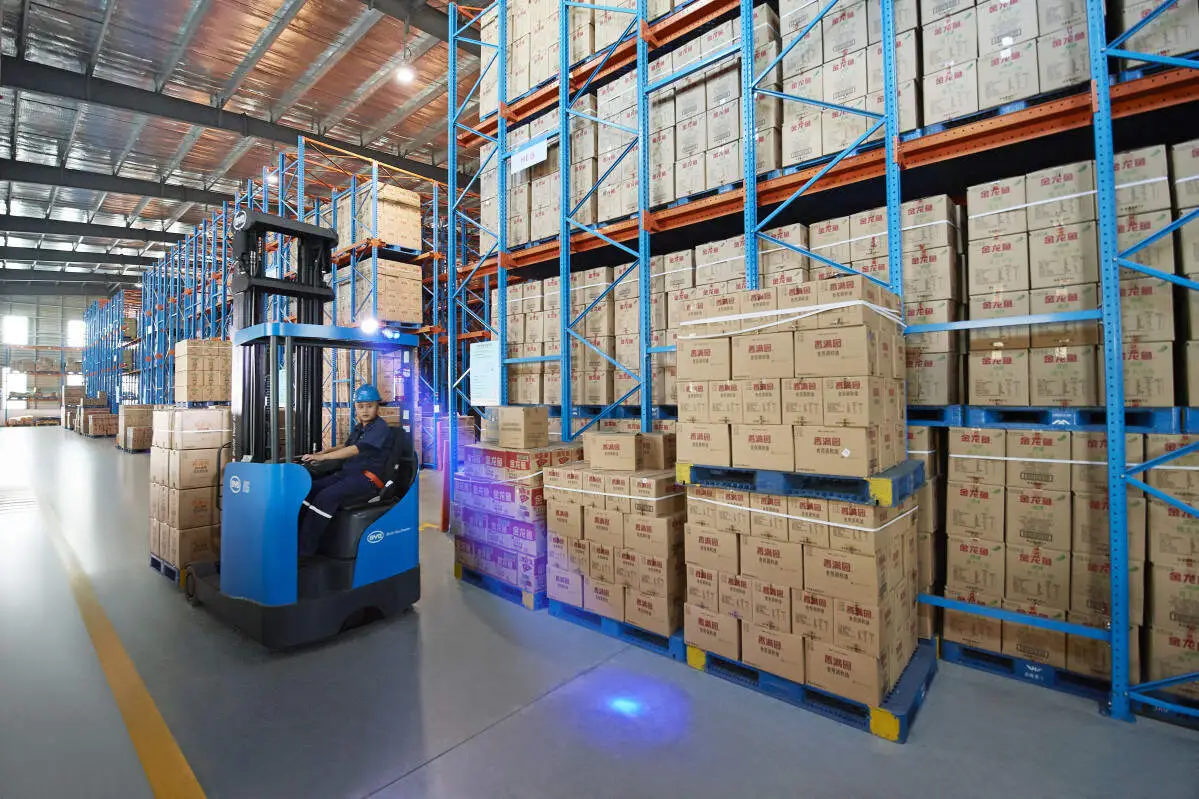
In today’s fast-paced logistics and construction sectors, electric forklifts have become indispensable tools for efficient material handling. However, making the right choice between renting and purchasing one for your project requires careful evaluation of several critical factors to avoid unnecessary costs and operational disruptions.
The first factor to consider is your project’s specific requirements. Short-term projects, such as seasonal inventory management or temporary construction sites, often benefit from renting, as it eliminates long-term commitments. For long-term, high-frequency operations, purchasing may be more cost-effective. You also need to assess load capacity, operating environment (indoor vs. outdoor, rough terrain vs. smooth floors), and daily operating hours to ensure the forklift matches your operational demands.
Next, calculating the total cost of ownership (TCO) is essential. When purchasing, account for upfront costs, ongoing maintenance, charging expenses, battery replacement, and depreciation over time. For renting, evaluate monthly rental fees, whether maintenance and repair services are included in the contract, and any penalties for early termination. A thorough TCO comparison will reveal which option aligns better with your budget constraints.
Infrastructure compatibility is another key consideration. Electric forklifts rely on charging stations, so you need to check if your project site has sufficient electrical capacity to support charging. If purchasing, you may need to invest in installing charging infrastructure, which adds to the overall cost. For rental arrangements, confirm if the provider offers access to charging facilities or portable charging solutions to keep operations running smoothly.
Compliance with safety and regulatory standards cannot be overlooked. Ensure the electric forklift meets local safety regulations, including features like anti-collision systems, ergonomic controls, and stable lifting mechanisms. For rented forklifts, verify that the equipment undergoes regular safety inspections and maintenance. For purchased units, plan for operator training programs to ensure safe and compliant operations on-site.
Finally, long-term operational planning plays a role in your decision. If your project has evolving material handling needs, renting allows you to switch to different forklift models as required. Purchasing, on the other hand, gives you asset ownership that can be utilized for future projects or resold if no longer needed. Additionally, consider advancements in electric forklift technology, such as improved battery life, to ensure your choice remains viable in the coming years.
By carefully evaluating these factors, you can make an informed decision that optimizes your project’s efficiency and cost-effectiveness. Jianshu New Energy specializes in BYD electric forklifts, with professional teams ready to assist you in assessing your needs and selecting the right solution. For more information, reach out to us at 17399989919@163.com.