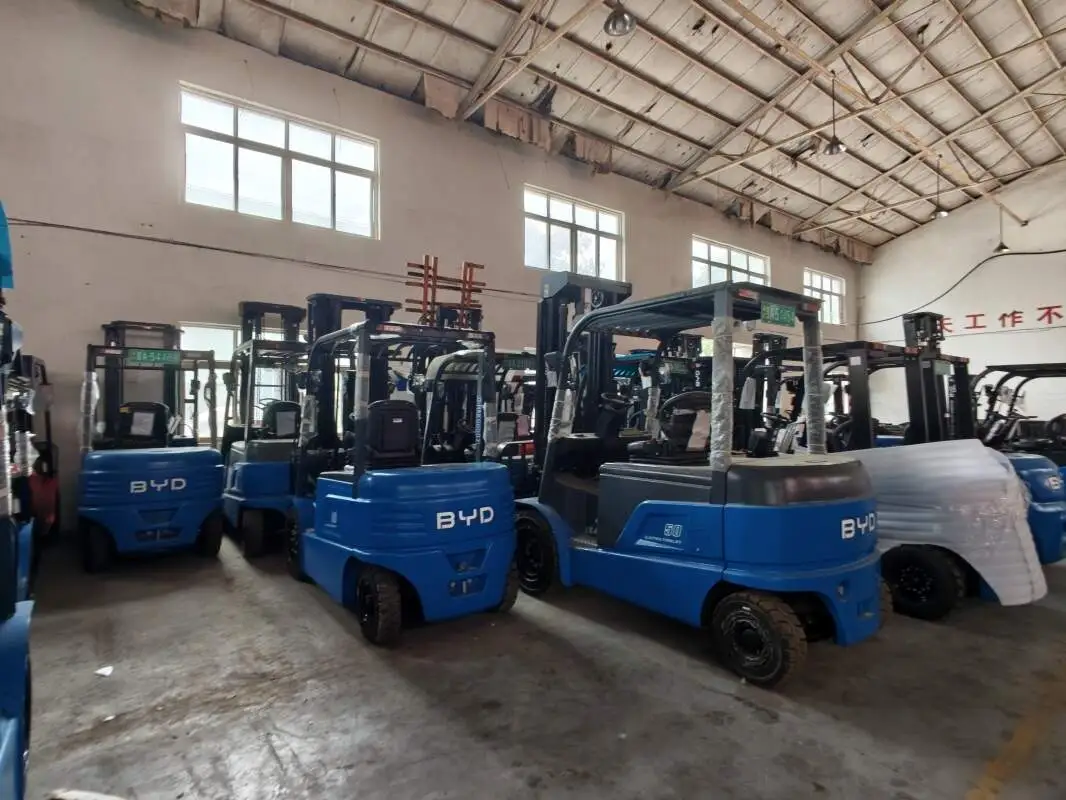
In today’s fast-paced warehouse and logistics operations, electric forklifts are indispensable for maintaining seamless material flow. Even a single unexpected breakdown can disrupt schedules, increase labor costs, and delay order fulfillment. That’s why integrating routine visual inspections into your forklift maintenance program is a critical step to safeguard operational continuity.
Routine visual inspections are a low-cost, high-impact practice to catch potential issues before they escalate into costly breakdowns. Unlike complex diagnostic tests, these checks can be performed daily by operators or maintenance staff with minimal specialized tools. Taking this proactive approach reduces unplanned downtime risks and extends the lifespan of your electric forklift fleet.
Let’s break down key areas to focus on during a visual inspection:
1. Battery System
As the core of any electric forklift, the battery demands close attention. Inspect its exterior for corrosion, cracked casings, or damaged terminals. Ensure all wiring connections are tight and free from fraying—loose wires can cause power interruptions or electrical shorts. For applicable models, verify battery fluid levels stay within recommended ranges; low levels accelerate degradation and reduce performance.
2. Tires and Undercarriage
Worn or damaged tires compromise stability and safety, while undercarriage issues lead to uneven weight distribution and increased component strain. Check tires for excessive tread wear, cuts, or bulges. Inspect the undercarriage for debris buildup, loose bolts, or rust signs. Addressing these issues early prevents further frame damage and ensures smooth operation.
3. Hydraulic System
Hydraulic leaks are a common issue that reduces lifting capacity and creates safety hazards. Look for fluid puddles around the forklift, as well as wet spots on hoses, cylinders, or fittings. Even small leaks indicate seal damage that will worsen over time. Catching leaks early avoids costly repairs and keeps the hydraulic system operating efficiently.
4. Control and Safety Components
Inspect all control levers, pedals, and steering mechanisms to ensure smooth function without sticking or excessive play. Check safety features like seat belts, horns, and lights—these are essential for operator safety and workplace compliance. Any damage or malfunction should be addressed immediately to prevent accidents.
Consistency is key for visual inspections. Establish a daily checklist for operators to complete before using the forklift, and maintain detailed records of all inspections and repairs. This documentation tracks trends, identifies recurring issues, and helps schedule preventive maintenance effectively.
At Jianshu New Energy, we specialize in BYD electric forklifts, providing comprehensive support to help you maintain fleet reliability. If you need guidance on developing a tailored inspection routine or have maintenance questions, feel free to reach out to us at 17399989919@163.com. Our expert team is here to help you minimize downtime and maximize operational productivity.