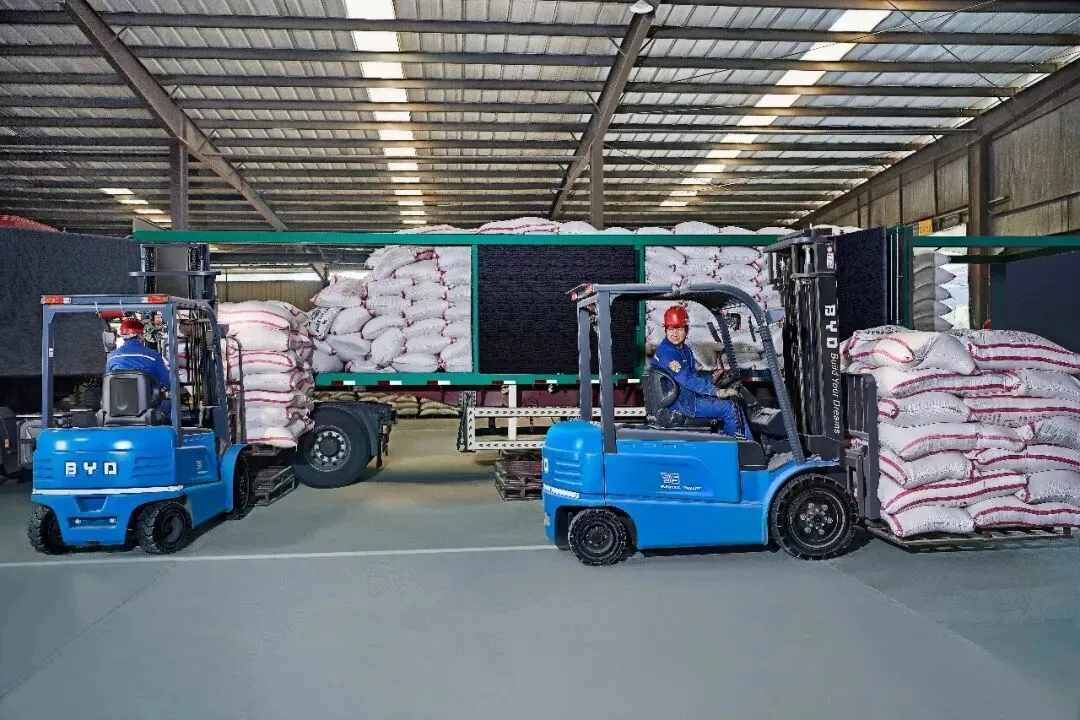
In today’s industrial and warehouse environments, maintaining forklift equipment is critical to keeping operations running smoothly. For businesses that manage in-house maintenance teams, having access to a comprehensive forklift manual is not just a convenience—it’s a foundational tool that drives efficiency, safety, and cost savings. Many organizations underestimate the depth of value these manuals offer, focusing instead on reactive repairs rather than leveraging the guidance they provide for proactive care.
One of the most significant practical values of a forklift manual lies in its ability to ensure safety compliance. Forklifts are heavy-duty machines that pose inherent risks if not operated or maintained correctly. Manuals outline detailed safety protocols for routine maintenance tasks, such as inspecting brakes, hydraulic systems, and load-bearing components. They also include guidelines for handling hazardous situations during repairs, reducing the risk of workplace accidents. Additionally, adhering to the maintenance procedures outlined in the manual helps businesses meet industry safety standards, avoiding potential fines or liability issues that can arise from non-compliant equipment upkeep.
Forklift manuals are indispensable for efficient troubleshooting. When a forklift breaks down, in-house teams can refer to the manual’s detailed diagnostic sections to identify the root cause of the issue quickly. Unlike generic repair guides, these manuals are tailored to specific forklift models, providing step-by-step instructions for addressing common problems like engine misfires, hydraulic leaks, or electrical failures. This targeted guidance reduces the time spent on guesswork, minimizing downtime and allowing operations to resume faster. For teams without specialized forklift training, the manual acts as a virtual expert, guiding them through repairs that might otherwise require external technicians.
Proactive preventive maintenance is another key benefit of using a forklift manual. Manuals include scheduled maintenance checklists based on operating hours or time intervals, ensuring that critical components are inspected and serviced before they fail. This includes tasks like oil changes, filter replacements, and tire rotations. By following these schedules, in-house teams can extend the lifespan of forklift equipment, reducing the need for costly replacements. Preventive maintenance also improves overall equipment performance, ensuring that forklifts operate at peak efficiency, which can lead to lower fuel or energy costs over time.
Cost savings are a direct outcome of effectively using a forklift manual for in-house maintenance. By enabling teams to handle routine repairs and preventive care internally, businesses can avoid the high costs associated with hiring external service providers. Additionally, catching issues early through manual-guided inspections prevents minor problems from escalating into major, expensive repairs. Manuals also provide guidance on proper parts replacement, ensuring that teams use compatible components that meet the manufacturer’s specifications, reducing the risk of further damage from incorrect parts.
In short, forklift manuals are essential resources for any business managing in-house equipment maintenance. They provide actionable guidance that enhances safety, reduces downtime, cuts operational costs, and extends the life of forklift assets. Investing in training teams to utilize these manuals fully can foster a more efficient and proactive maintenance culture, supporting long-term operational success.