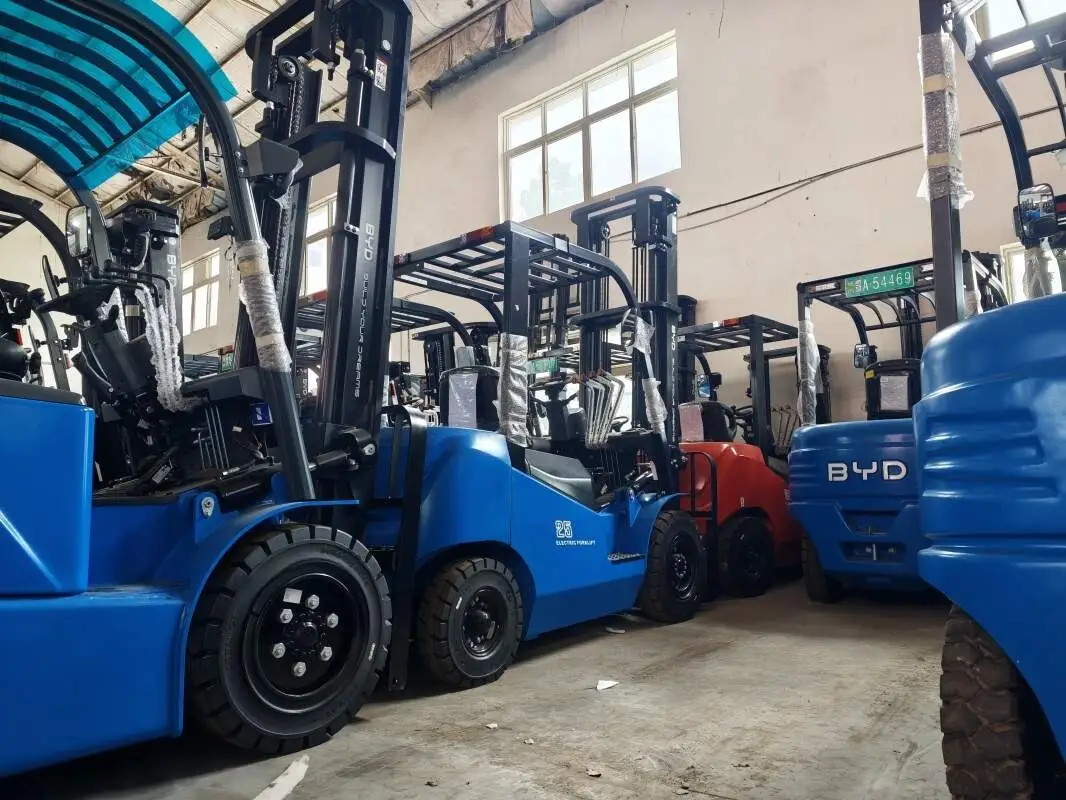
forklift barrel dumpers are critical tools for streamlining the handling and pouring of liquid or solid materials stored in barrels across warehouses, manufacturing facilities, and distribution centers. To minimize risks of accidents, equipment damage, and material spillage, operators must adhere to strict standard operating procedures (SOPs) tailored to this specialized equipment.
Pre-Operation Inspections
Before initiating any task, operators must conduct a comprehensive pre-use inspection of both the forklift and the barrel dumper attachment. Start by examining the forklift’s tires for proper inflation and wear, ensuring brakes and steering systems function smoothly. For the barrel dumper, inspect hydraulic hoses for cracks or leaks, verify locking mechanisms are intact to secure barrels during dumping, and check that pivot points are well-lubricated to prevent jams. Additionally, confirm the load capacity of both the forklift and dumper matches the weight of the barrel and its contents. Never operate equipment with visible damages or malfunctions—report issues to a qualified maintenance team immediately.
Safe Operating Steps
When attaching the barrel dumper to the forklift, align the attachment properly and engage all locking pins to ensure a secure connection. Carefully approach the barrel, positioning the dumper’s cradle or clamp around the barrel’s midsection. Activate the clamping mechanism to hold the barrel firmly, ensuring it is centered to avoid imbalance during lifting. Once secured, lift the barrel slowly, keeping it low to the ground until you reach the dumping area. Avoid sudden acceleration, braking, or turns, as these can cause the barrel to shift or fall.
When dumping, position the barrel over the designated container or receptacle. Gradually tilt the dumper using the hydraulic controls, monitoring the flow of material to prevent spillage. Never over-tilt the barrel beyond its designed limits, as this can strain the equipment or cause the barrel to slip. Once dumping is complete, lower the barrel back to the ground slowly, release the clamping mechanism, and carefully move the forklift away.
Post-Operation Protocols
After completing the task, return the forklift and barrel dumper to their designated storage areas. Clean any spilled material from the dumper and forklift to prevent corrosion or slipping hazards. Conduct a quick post-operation check to identify any new damages or wear that may have occurred during use. Log all inspections and any issues encountered in the equipment’s maintenance record to ensure timely repairs and compliance with workplace safety standards.
Ongoing Training and Safety Best Practices
Regular training is essential for all forklift barrel dumper operators to stay updated on SOPs and safety regulations. Operators should participate in refresher courses annually to reinforce proper techniques and learn about new safety guidelines. Always wear appropriate personal protective equipment (PPE), including steel-toe boots, safety glasses, and gloves, to protect against potential spills, falling debris, or equipment-related injuries.
Maintain clear communication with coworkers in the area, using hand signals or two-way radios to alert others when operating the forklift and dumper. Never leave the equipment unattended while it is holding a barrel, and avoid operating in areas with poor visibility or uneven ground. By following these SOPs consistently, operators can create a safer work environment and maximize the efficiency of material handling operations.