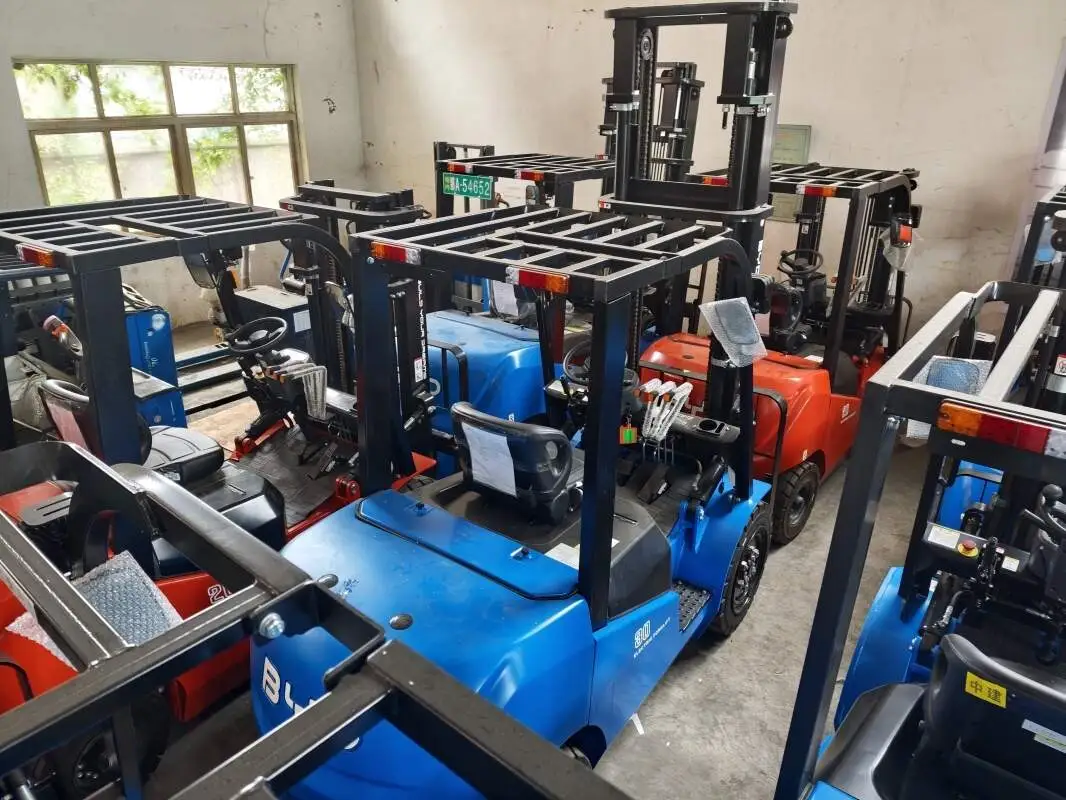
In today’s fast-paced modern supply chain systems, efficient material handling is a cornerstone of seamless operations, directly impacting order fulfillment speed, inventory management, and overall business productivity. electric forklift trucks have emerged as indispensable tools in this ecosystem, offering a range of practical benefits that address key challenges faced by warehouses, distribution centers, and logistics hubs.
One of the most significant practical values of electric forklifts lies in their ability to boost operational efficiency. Unlike traditional fuel-powered alternatives, electric models deliver consistent power output, enabling smooth acceleration and precise maneuverability in tight warehouse spaces. This precision allows operators to navigate narrow aisles and stack goods at varying heights with greater accuracy, reducing the risk of product damage and cutting down on time spent on repetitive tasks. Additionally, electric forklifts operate with minimal downtime for refueling—instead, they can be charged during off-peak hours or swapped with pre-charged batteries, ensuring continuous workflow during peak operational periods.
Sustainability has become a critical focus for modern supply chains, and electric forklifts align perfectly with this trend. Producing zero tailpipe emissions, they help reduce the carbon footprint of warehouse operations, making them ideal for indoor environments where air quality is a priority. By eliminating reliance on fossil fuels, businesses can not only comply with increasingly strict environmental regulations but also enhance their corporate social responsibility image, which resonates with eco-conscious customers and stakeholders. Moreover, the quieter operation of electric forklifts reduces noise pollution in workspaces, creating a more comfortable and less stressful environment for warehouse staff.
Beyond efficiency and sustainability, electric forklifts offer long-term cost benefits that contribute to supply chain profitability. While the initial purchase cost may be higher than fuel-powered models, the lower operational and maintenance expenses offset this over time. Electric forklifts have fewer moving parts compared to their internal combustion counterparts, reducing the need for frequent repairs and part replacements. Additionally, electricity is generally more cost-stable than diesel or gasoline, helping businesses better predict and manage their operational budgets. The reduced wear on warehouse floors, due to the smoother operation of electric forklifts, also lowers long-term facility maintenance costs.
Safety is another key practical value of electric forklifts in supply chain systems. The absence of flammable fuel tanks reduces the risk of fires and explosions, particularly in enclosed warehouse settings where ventilation may be limited. Electric models also feature advanced safety technologies, such as anti-slip braking systems and stability controls, which minimize the risk of accidents involving operators, goods, or infrastructure. The lower noise levels further enhance safety by improving communication between workers, reducing the likelihood of collisions caused by limited auditory awareness.
In conclusion, electric forklift trucks play a vital role in optimizing modern supply chain systems, offering practical benefits that span efficiency, sustainability, cost-effectiveness, and safety. As supply chains continue to evolve with growing demands for speed, reliability, and environmental responsibility, electric forklifts will remain essential tools for businesses looking to streamline their operations and maintain a competitive edge. Their ability to adapt to diverse warehouse environments and address core operational challenges makes them a valuable investment for any organization aiming to enhance its supply chain performance.