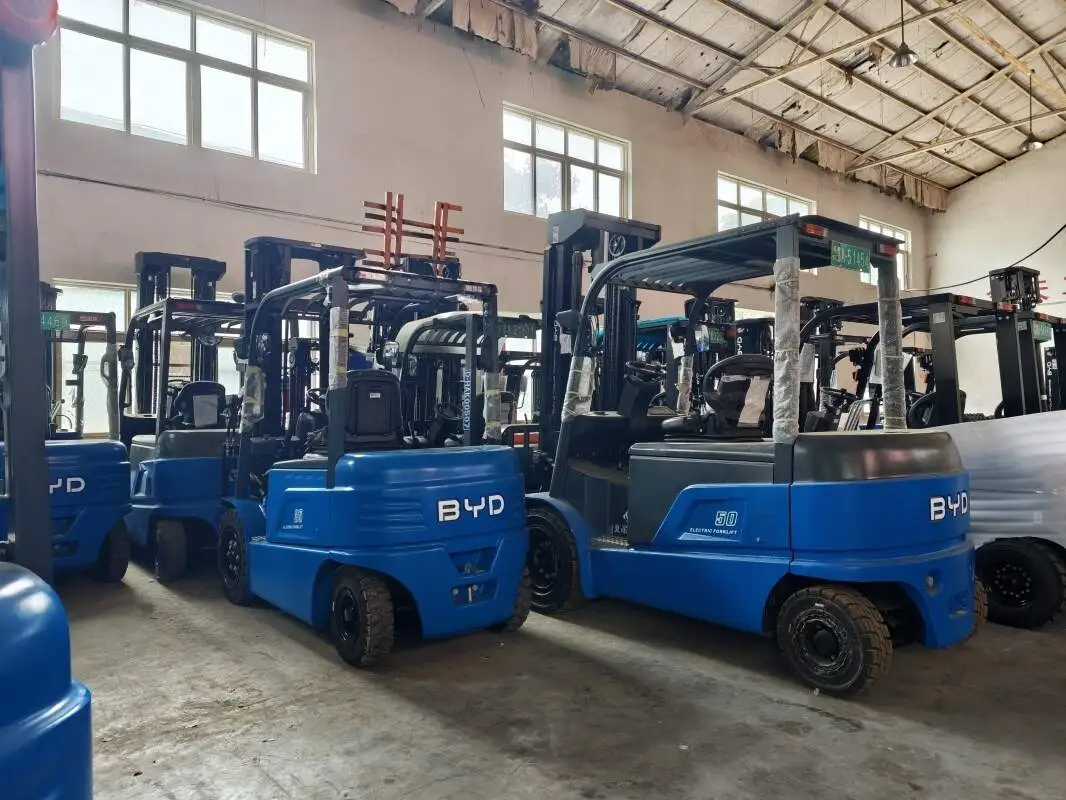
In industrial and warehouse operations, forklifts serve as critical workhorses, facilitating the movement of heavy loads and keeping supply chains running smoothly. When these machines experience system issues, unplanned downtime can lead to delayed workflows, increased labor costs, and disrupted order fulfillment. This is where OBD2 adapters play a vital role in simplifying and enhancing forklift system diagnostic work.
OBD2 adapters, originally designed for passenger vehicles, have been adapted for use in industrial forklifts to provide technicians with direct access to the vehicle’s onboard computer system. One of the primary applications is fault code reading. When a forklift’s system detects an anomaly—such as a malfunctioning engine component, faulty transmission, or electrical issue—it generates a diagnostic trouble code (DTC). The OBD2 adapter connects to the forklift’s diagnostic port, retrieves these codes, and relays them to a compatible device like a smartphone or laptop, translated into easy-to-understand descriptions. This allows technicians to quickly identify the root cause of the problem, eliminating the need for time-consuming manual inspections.
Beyond fault code retrieval, OBD2 adapters support real-time performance monitoring. Technicians can track key metrics such as engine RPM, fuel consumption, coolant temperature, and brake system status as the forklift operates. This real-time data helps in identifying subtle performance issues that might not trigger immediate fault codes but could lead to more serious problems over time. For example, a gradual increase in fuel consumption might indicate an inefficient engine component, allowing teams to address the issue before it escalates into a major breakdown.
Another crucial application is proactive maintenance scheduling. By regularly using OBD2 adapters to gather system data, operators can establish a baseline of normal performance and detect deviations early. This data-driven approach enables predictive maintenance, where maintenance tasks are scheduled based on actual system conditions rather than fixed time intervals. Predictive maintenance reduces unnecessary service visits and ensures that parts are replaced only when needed, cutting down on maintenance costs and extending the lifespan of the forklift.
OBD2 adapters also improve diagnostic efficiency for fleet managers. For businesses operating multiple forklifts, these tools allow technicians to quickly diagnose each machine without the need for specialized, bulky diagnostic equipment. The portability of most OBD2 adapters means they can be carried between sites, making on-the-spot diagnostics possible. Additionally, the data collected can be stored digitally, creating a maintenance history for each forklift that helps in identifying recurring issues and optimizing fleet performance.
While OBD2 adapters offer numerous benefits, it’s important to note that proper training is required for technicians to interpret the data accurately. Understanding how different system components interact and how to translate diagnostic codes into actionable repairs ensures that the tool is used effectively. With the right expertise, OBD2 adapters become an indispensable asset in keeping forklift fleets running reliably and efficiently.