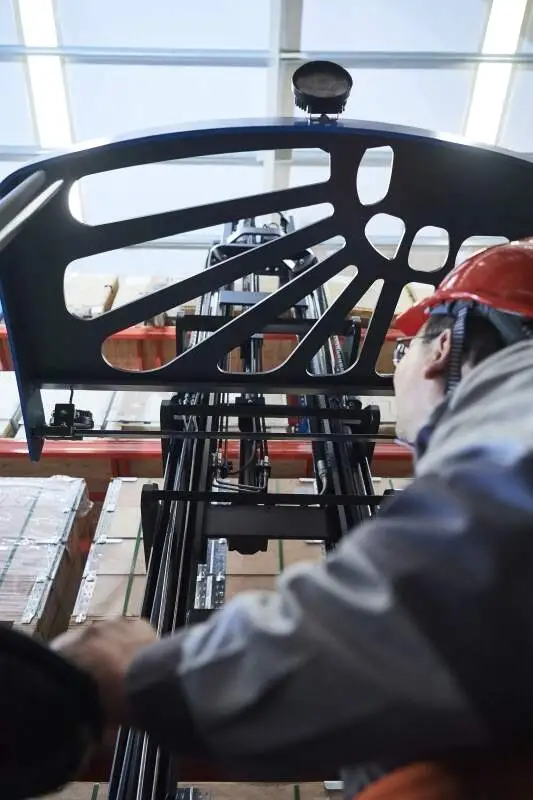
forklift extensions play a critical role in expanding the capabilities of forklifts, enabling safe and efficient handling of oversized or irregularly shaped loads. Choosing durable extensions is essential to maintain operational safety, reduce downtime, and ensure long-term cost-effectiveness. This guidance outlines key factors to consider when selecting forklift extensions for reliable load handling.
Material selection is the foundation of durable forklift extensions. Steel is a go-to option for heavy-duty applications, offering high tensile strength and resistance to impact and wear. For lighter loads or corrosive environments, aluminum alloys provide a lightweight yet sturdy alternative. Assess your operating conditions—such as exposure to moisture, chemicals, or extreme temperatures—to pick a material that can withstand these challenges without compromising performance.
Compatibility with your forklift model is non-negotiable. Not all extensions fit every forklift, so verify alignment with your machine’s mast size, carriage dimensions, and load capacity rating. Mismatched extensions can cause instability during operation, raising accident risks or damaging equipment and loads. Always reference your forklift’s manufacturer specifications to ensure extensions match the machine’s design and operational limits.
Load capacity is another critical factor. Each extension has a specified load rating that must not be exceeded. Calculate the maximum weight of your typical loads, then choose extensions that support this weight with a safe margin. Remember that extending forks reduces the forklift’s overall load capacity, so factor in this reduction to avoid overloading. Prioritize extensions that clearly state their load ratings for different lengths.
Ease of installation and maintenance contributes to long-term durability. Look for extensions with secure locking mechanisms to keep them in place during use. Regular inspections for cracks, bending, or wear are essential to extend their lifespan. Opt for designs that allow quick inspections and repairs, no specialized tools or extensive training required.
Finally, ensure compliance with industry safety standards. These standards dictate design, load testing, and performance requirements to protect operators and workplace personnel. Non-compliant extensions can lead to regulatory penalties and increased safety risks. Always confirm that extensions have been tested and certified to meet relevant safety standards before purchase.
By evaluating these key factors, you can select durable forklift extensions that enhance load handling efficiency and reliability. Taking the time to choose the right extensions protects your investment and fosters a safer, more productive work environment. Regular maintenance will further extend their lifespan, ensuring consistent performance for years to come.