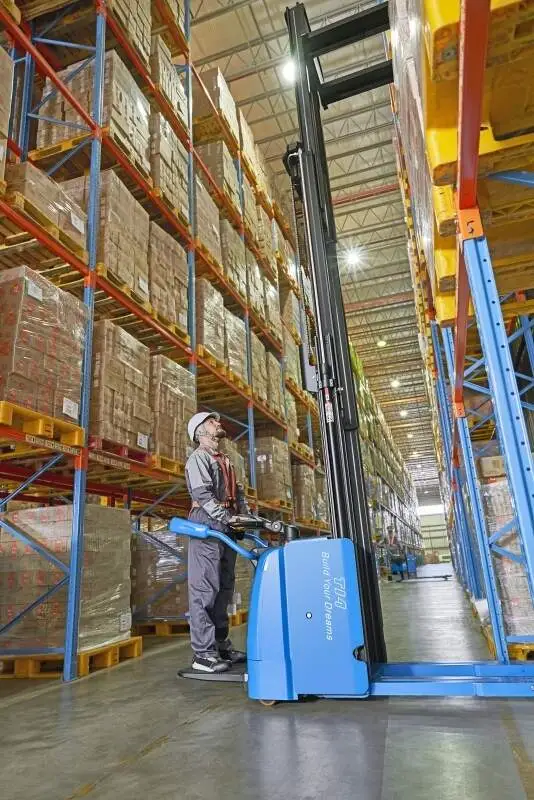
Operating an electric forklift fleet offers a sustainable, cost-effective alternative to diesel-powered models, but optimizing operational expenses remains a top focus for fleet managers. By implementing targeted, evidence-based strategies, you can cut long-term costs while preserving fleet performance and reliability.
First, prioritize proactive preventive maintenance. Reactive repairs often lead to unexpected downtime and inflated costs, whereas a scheduled maintenance program addresses minor issues before they escalate into major problems. This includes routine checks of battery health, brake systems, hydraulic components, and tire condition. Proper battery care—such as maintaining consistent charging cycles, cleaning terminals to prevent corrosion, and avoiding deep discharges—extends battery lifespan, reducing the need for premature replacements. Regular maintenance also ensures forklifts operate at peak efficiency, minimizing energy waste and lowering overall operational costs.
Next, optimize energy management to reduce charging-related expenses. electric forklifts depend on battery power, so strategic charging practices can yield significant savings. Avoid overcharging batteries, as this not only shortens their lifespan but also increases unnecessary energy consumption. Instead, leverage off-peak electricity rates by scheduling charging during low-demand hours, which typically come with lower utility costs. Additionally, adopting smart charging systems that automatically adjust charging levels based on battery needs can further reduce energy waste and extend battery longevity.
Fleet optimization is another critical area to trim expenses. Conduct regular assessments of your fleet size and usage patterns to ensure you have the right number of forklifts for your operational requirements. Over-sizing your fleet leads to unnecessary maintenance and energy costs, while under-sizing can cause delays and increased wear on existing equipment. Matching forklift capacity to specific tasks is also key—using a smaller, more agile forklift for light loads reduces energy consumption, while deploying a larger model for heavy loads prevents overstraining and premature equipment wear.
Investing in comprehensive operator training can also drive substantial cost savings. Well-trained operators are more likely to use forklifts efficiently, adhering to best practices that minimize wear and tear. They understand how to handle loads properly, avoid sudden accelerations or stops that consume extra energy, and perform basic pre-shift inspections to catch potential issues early. This not only lowers maintenance costs but also reduces the risk of accidents, which can lead to costly repairs, downtime, and safety-related expenses.
At Jianshu New Energy, we specialize in BYD electric forklifts and offer end-to-end support to help you optimize your fleet’s operational efficiency. Our team of experienced experts can provide customized maintenance plans, energy management guidance, and operator training programs tailored to your specific business needs. For more information on how we can assist you in reducing your electric forklift fleet’s operational expenses, feel free to contact us at 17399989919@163.com.