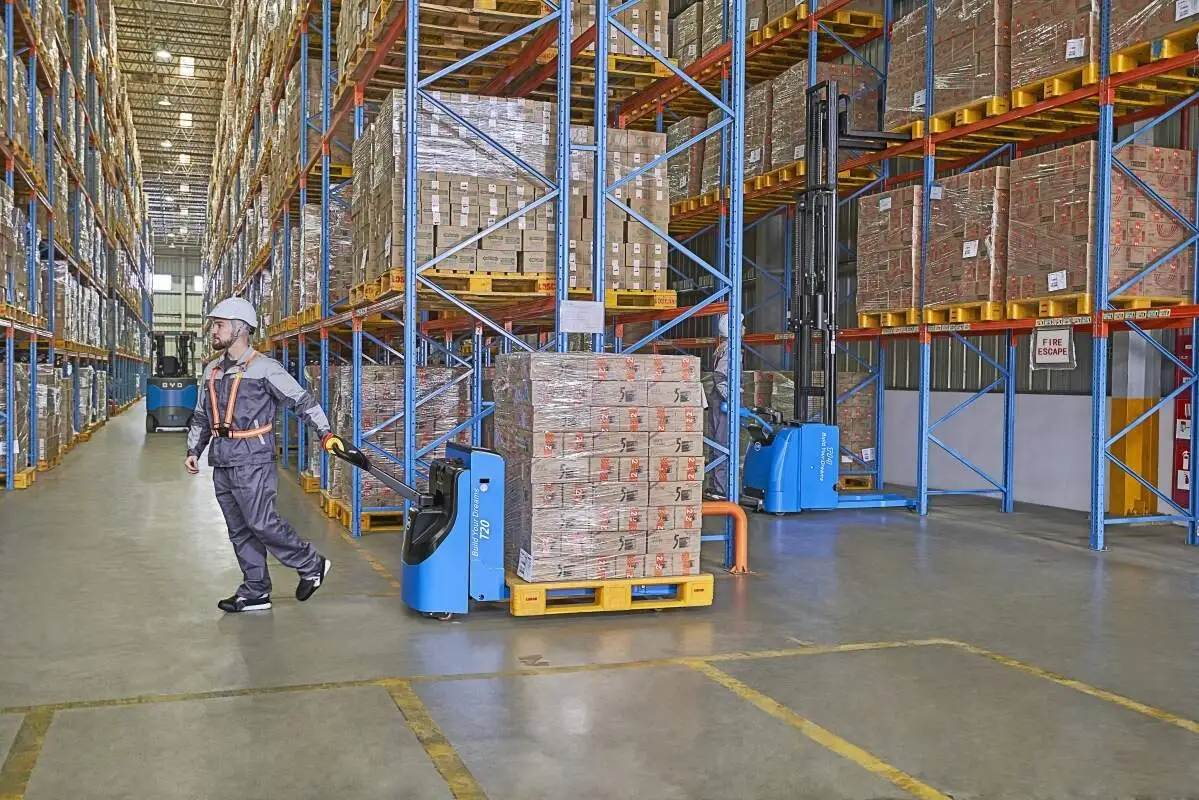
When it comes to electric forklift use in industrial workplaces, adhering to specific regulations is critical to ensure operational safety and compliance. These regulations are designed to protect both operators and other personnel, as well as prevent equipment damage and workplace incidents.
First and foremost, operator qualification is a non-negotiable core point. Industrial regulations mandate that all electric forklift operators complete authorized training programs covering forklift mechanics, load handling techniques, emergency response protocols, and safety awareness. Operators must also hold a valid certification, which requires renewal at regular intervals to ensure their knowledge stays up-to-date with the latest regulatory changes and operational best practices.
Next, pre-use equipment inspections are required by most industrial safety regulations. Before each shift or use, operators must conduct a thorough check of the electric forklift. This includes verifying battery charge levels to avoid unexpected power loss during operation, testing brake functionality to ensure reliable stopping, inspecting steering systems for smooth maneuverability, and checking lighting and horn systems to maintain visibility and communication in the workplace. Additionally, operators should examine forks and the forklift body for any visible damage that could compromise safety or performance, and document all inspection results for compliance records.
Workplace environmental safety is another key regulatory focus. Industrial regulations specify that workplaces must maintain clear, properly marked pathways with sufficient width to accommodate electric forklift maneuvering without obstruction. Floors should be kept free of debris, spills, or uneven surfaces that could cause slips, skids, or collisions. Dedicated charging areas for electric forklifts must be equipped with proper ventilation to prevent the buildup of harmful battery gases, and fire suppression equipment should be readily available in these zones to mitigate potential risks.
Operational compliance rules also form a vital part of industrial regulations. Operators must strictly adhere to the load capacity limits displayed on each electric forklift, as overloading can lead to instability and tip-over incidents. They should avoid sudden acceleration, braking, or sharp turns, especially in narrow spaces or areas with pedestrian traffic. Speed limits must be followed at all times, and operators should always yield to pedestrians in shared work zones. Furthermore, regulations prohibit carrying unauthorized personnel on electric forklifts, as this poses significant safety hazards.
As a specialist in BYD electric forklifts, Jianshu New Energy understands the importance of these industrial regulations and is dedicated to helping businesses achieve full compliance. Our team can provide professional guidance on operator training programs, equipment maintenance schedules, and workplace safety setup tailored to your operational needs. For more information or support, feel free to contact us at 17399989919@163.com.