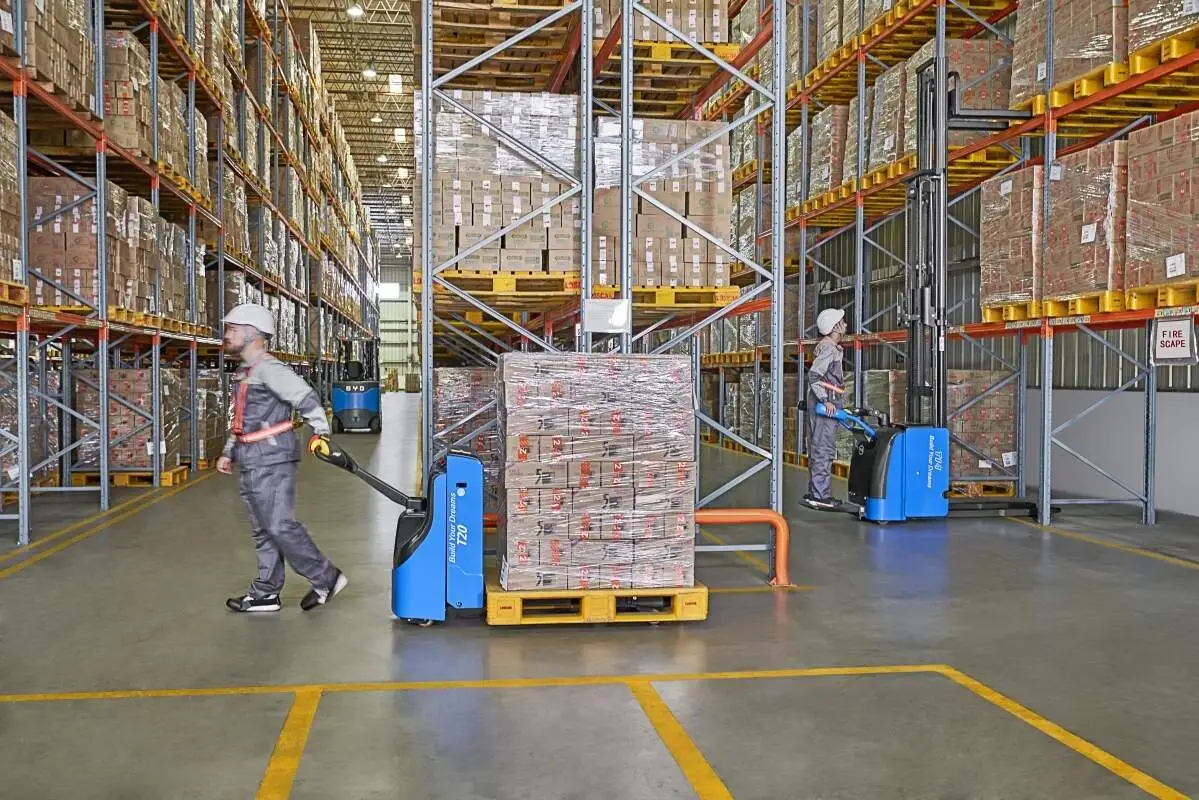
The electric forklift battery serves as the core power source for material handling operations, and extending its service cycle directly contributes to reducing operational costs and improving workflow efficiency. Adhering to evidence-based, compliant practices is key to maximizing battery lifespan without compromising performance.
Proper charging protocols form the foundation of battery longevity. Avoid overcharging, as this can accelerate electrolyte evaporation and cell degradation. Always use a charger matched to the battery’s specifications, as mismatched equipment can cause inconsistent voltage supply. Additionally, ensure charging occurs in a well-ventilated area to dissipate heat generated during the process. It is also critical to avoid deep discharging the battery; most electric forklift batteries perform best when recharged before reaching a 20% remaining capacity threshold.
Routine inspections are essential to catch potential issues early. Conduct daily visual checks to examine the battery’s exterior for cracks, leaks, or corrosion on terminal posts. For flooded lead-acid batteries, regularly check electrolyte levels and top up with distilled water only, as tap water can introduce impurities that harm battery cells. Monthly, use a voltmeter to measure the battery’s open-circuit voltage, which can indicate overall health and identify underperforming cells. Cleaning terminal posts with a wire brush and applying a thin layer of anti-corrosion grease can prevent connection issues that drain power unnecessarily.
Optimal operational practices also play a significant role in extending battery life. Avoid sudden acceleration and hard braking, as these actions place excessive strain on the battery and increase energy consumption. Operate the forklift within its recommended load capacity; overloading forces the battery to work harder, leading to faster wear. When planning tasks, map out efficient routes to minimize unnecessary travel and reduce the battery’s workload. Additionally, avoid operating the forklift in extreme temperatures whenever possible, as both high heat and freezing conditions can negatively impact battery performance and lifespan.
Correct storage procedures are vital for batteries not in regular use. If storing a battery for more than two weeks, ensure it is fully charged before storage. Place the battery in a cool, dry area with a consistent temperature between 5°C and 25°C. Check the battery’s charge level every four to six weeks and recharge it to full capacity if it drops below 80%. Avoid stacking batteries or placing heavy objects on top of them, as this can cause physical damage to the casing or internal components.
By integrating these practices into daily operations, businesses can significantly extend the service cycle of their electric forklift batteries, ensuring reliable performance while reducing long-term replacement and maintenance costs.