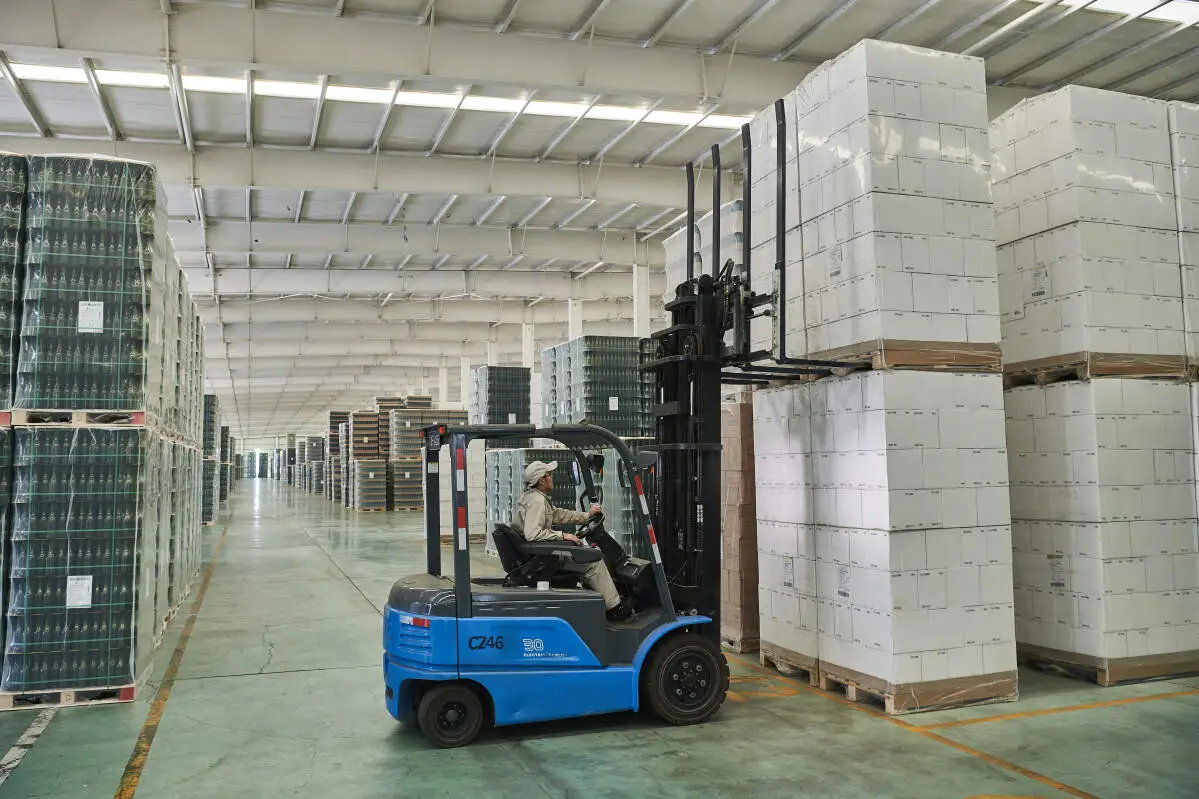
Pre-rental inspections are a critical step to mitigate operational risks and ensure seamless performance when leasing 5 ton forklift equipment. These assessments verify that the forklift meets safety standards and functional requirements, protecting both the renter and the rental provider from potential liabilities.
Start with a thorough visual inspection of the forklift’s structural components. Examine the frame, mast, and forks for signs of cracks, dents, or excessive wear. Cracks in the frame can compromise the forklift’s load-bearing capacity, while bent or damaged forks may lead to unstable load handling. Check the condition of the tires, looking for uneven wear, punctures, or low pressure, as tire issues can affect maneuverability and stability during operation.
Next, focus on the powertrain and energy system. For electric 5 ton forklifts, inspect the battery’s charge level and terminals for corrosion. Ensure that wiring and cables are intact, with no fraying or exposed conductors that could pose electrical hazards. Check the hydraulic system for leaks, as fluid loss can reduce lifting power and lead to equipment failure. Test the hydraulic controls to confirm that the mast lifts, lowers, and tilts smoothly without delays or unusual noises.
Move on to the operational controls and driving mechanisms. Verify that the steering wheel responds accurately, with no excessive play that could hinder maneuvering. Test the brake system, including service brakes and parking brakes, to ensure they engage firmly and bring the forklift to a smooth stop. Inspect the accelerator and decelerator pedals for proper functionality, making sure they return to their original position without sticking.
Safety devices are non-negotiable elements of the pre-rental inspection. Confirm that the seatbelt is in good condition and latches securely. Check the functionality of warning lights, horns, and backup alarms, as these are essential for alerting workers to the forklift’s presence. Inspect the overhead guard and load backrest to ensure they are intact and capable of protecting the operator from falling objects.
Finally, conduct a brief operational test in a controlled area. Drive the forklift forward and backward, making turns to assess handling. Lift a light load to test the mast’s lifting capacity and stability. Observe any unusual vibrations, noises, or performance issues that may indicate underlying problems. Document all findings during the inspection, noting any areas that require maintenance or repair before the forklift is rented out.
By following this comprehensive checklist, rental providers can ensure that 5 ton forklift equipment is safe, compliant, and ready for reliable operation, while renters can have confidence in the equipment’s performance throughout the rental period.