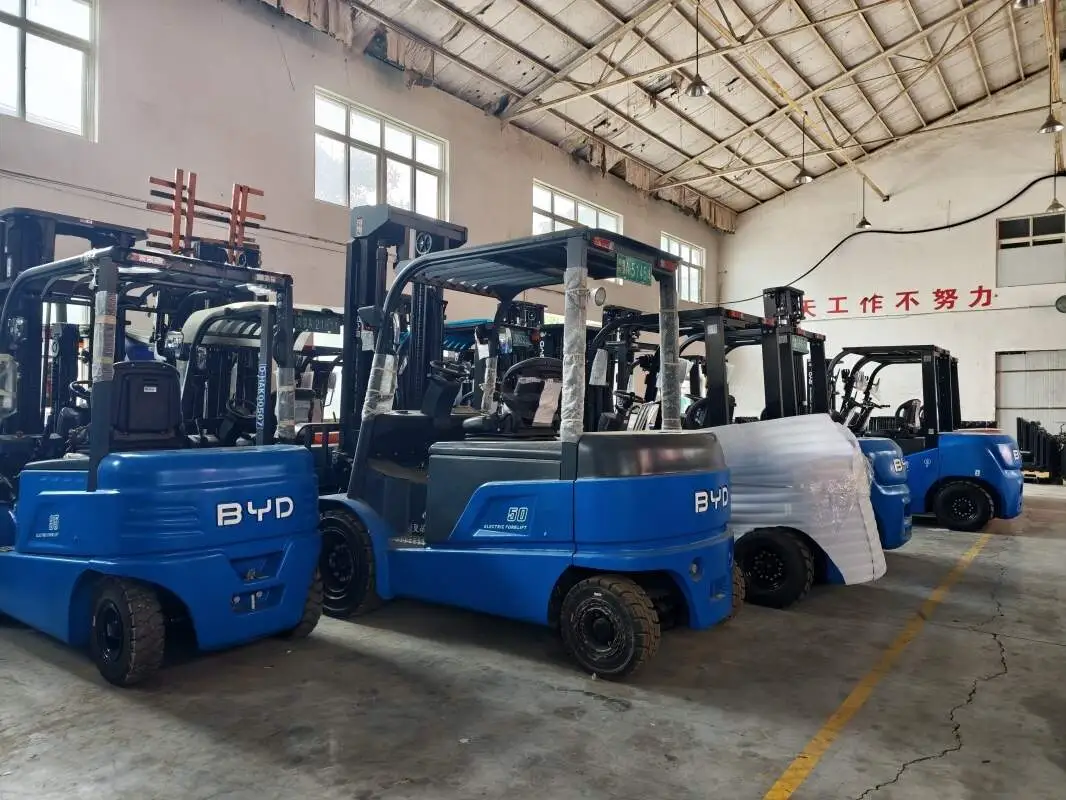
Manual hand forklifts are indispensable tools in warehouses, distribution centers, small manufacturing facilities, and even retail settings, providing a simple, power-free solution for moving heavy loads efficiently. For businesses and individuals seeking to invest in this equipment, grasping the pricing landscape is key to making a cost-effective choice that meets operational demands without unnecessary expenditure.
One of the primary factors shaping manual hand forklift pricing is load capacity. Models designed for light-duty tasks, with a maximum load capacity of up to 1 ton, are typically more affordable, as they require less robust structural design and materials. In contrast, forklifts built to handle loads of 2 tons or more demand thicker steel frames, reinforced fork tines, and stronger hydraulic systems, all of which contribute to a higher price point. This variation ensures that users can match their investment to the specific weight of goods they regularly move.
Construction material also plays a significant role in determining cost. Traditional steel manual forklifts are durable and suitable for heavy, frequent use, making them a mid-to-high-range option. Aluminum forklifts, on the other hand, are lighter, easier to maneuver in tight spaces, and resistant to corrosion, but their specialized material construction often places them in a similar or slightly higher price bracket compared to basic steel models. For users prioritizing portability over maximum load capacity, aluminum models may offer better long-term value despite the initial cost.
Additional features can further impact pricing. Basic manual forklifts come with standard functions like hydraulic lifting and manual steering, keeping costs low. However, models equipped with extra features such as lockable brake systems, adjustable fork widths, ergonomic padded handles, or non-slip wheels will command a premium. These features enhance safety and usability, making them worthwhile for users who operate forklifts for extended periods or in challenging environments.
The purchase channel is another variable affecting the final price. Buying directly from manufacturers often eliminates middleman markups, offering more competitive rates, especially for bulk orders. Local dealers may provide personalized service and immediate access to equipment but may charge slightly higher prices. Online marketplaces can offer a wide range of options at varying price points, though buyers should verify seller credibility and product quality before purchasing. Used manual forklifts are a budget-friendly alternative, typically priced at 30% to 50% of their new counterparts, but buyers should inspect critical components like the hydraulic system, fork tines, and wheels to ensure they are in good working condition.
When considering typical price ranges, entry-level manual hand forklifts for light-duty use fall into an affordable bracket, ideal for small businesses or occasional use. Mid-range models, with load capacities between 1 and 2 tons and basic additional features, balance cost and functionality for most standard material handling tasks. High-end models, designed for heavy-duty, daily use, offer maximum durability and advanced features, making them suitable for large-scale operations that require consistent performance.
To make a cost-effective purchase, start by assessing your exact operational needs—determine the maximum load weight you need to handle, the frequency of use, and the environment in which the forklift will operate. Compare prices across multiple channels to find the best deal, and consider long-term maintenance costs, as more durable models may require less frequent repairs over time. If opting for a used forklift, conduct a thorough inspection or seek professional assistance to avoid unforeseen expenses.
By understanding these key factors and evaluating your specific requirements, you can navigate the manual hand forklift market confidently, selecting a model that offers the right balance of cost, functionality, and durability to support your material handling operations.