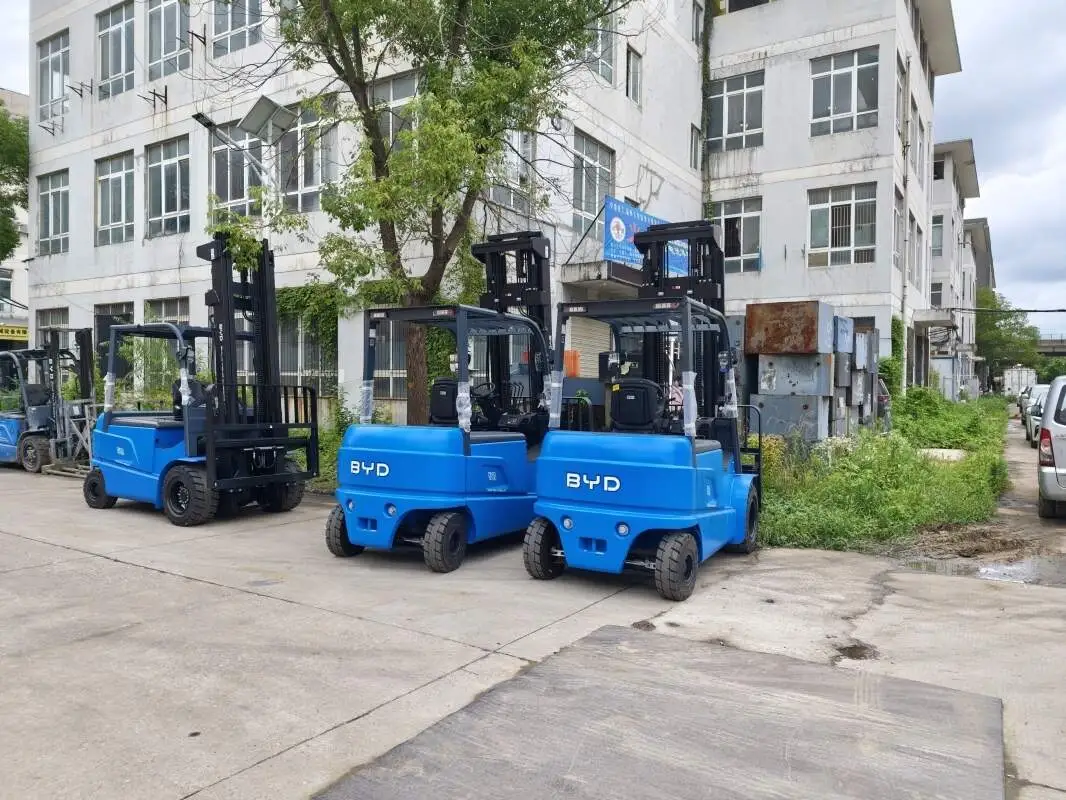
Understanding the standard width measurement of forklift forks is essential for safe, efficient, and compliant material handling operations. The width of forklift forks directly impacts how securely loads are held, how well the forklift navigates narrow spaces, and whether it aligns with standard pallet dimensions. Without accurate measurements and adherence to standards, operations risk load instability, equipment damage, and workplace safety incidents.
To measure forklift fork width correctly, start by identifying the two key measurement points: the tip width and the heel width. The tip width refers to the distance between the outer edges of the fork tines at their narrowest, forwardmost point. The heel width, by contrast, is the distance between the outer edges where the tines connect to the carriage. For precision, use a calibrated measuring tape or digital calipers, ensuring the tools are positioned parallel to the fork edges to avoid skewed readings. Always measure both forks to confirm they are symmetric—uneven width can cause uneven weight distribution, leading to load tipping during lifts.
Industry standards define typical forklift fork width ranges based on application needs. For general warehouse operations handling standard wooden pallets, fork widths often fall between 4 inches (100 mm) and 6 inches (150 mm). Narrower forks, around 3 inches (75 mm), are ideal for navigating tight aisles and handling small, compact loads. For heavy-duty applications such as construction or manufacturing, wider forks ranging from 7 inches (175 mm) to 9 inches (225 mm) provide increased stability for bulky, heavy items. These ranges are not rigid, but they serve as a guideline to match fork width to load size and operational environment.
Regular width measurements are also critical for monitoring fork wear and tear. Over time, forks can bend, warp, or develop uneven wear due to repeated heavy loads or improper handling. If measurements show a width deviation of more than 5% from the original specification, the forks may need repair or replacement to maintain safety. Additionally, when replacing forks, ensure the new width matches the forklift’s capacity and the requirements of the loads it will handle. Always follow manufacturer-recommended specifications for fork dimensions to avoid compatibility issues.
In summary, mastering standard width measurement of forklift forks is a fundamental aspect of responsible material handling. By using proper measurement techniques, adhering to industry standard ranges, and conducting regular checks, operations can enhance safety, reduce equipment downtime, and ensure smooth, efficient load handling. Whether for routine warehouse tasks or heavy-duty industrial applications, accurate fork width measurements are a small but vital step toward maintaining a safe and productive workplace.