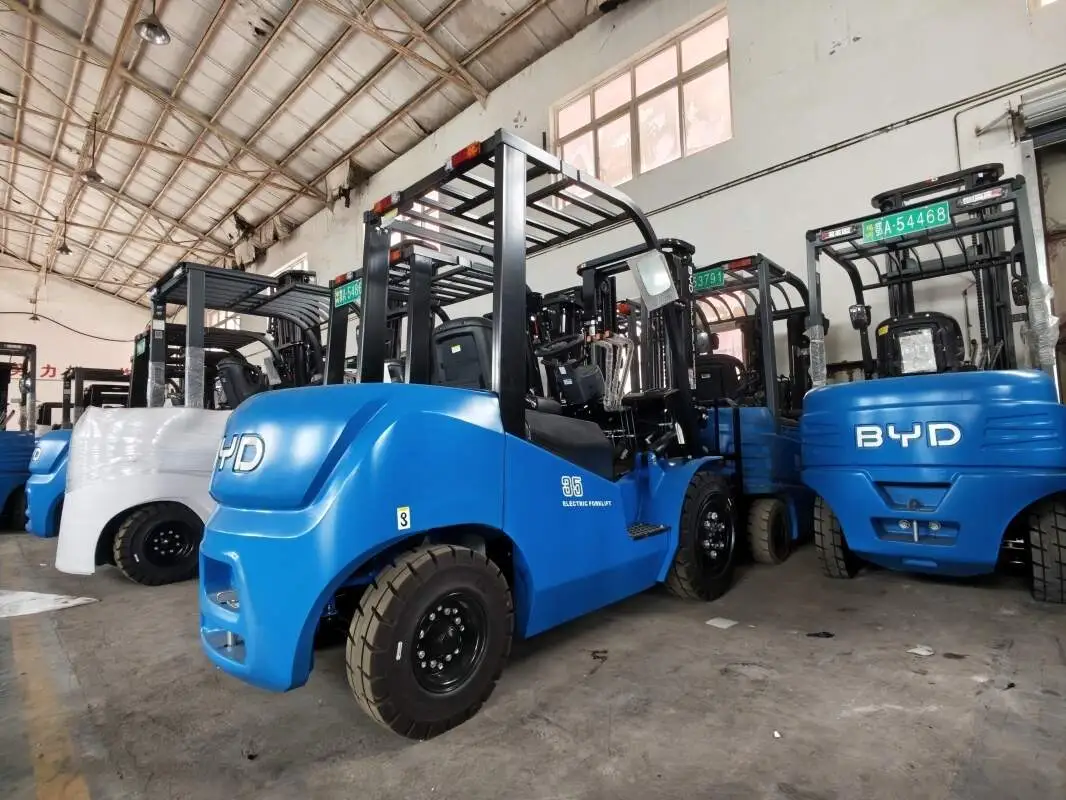
forklift mirrors are critical components for ensuring operator visibility and reducing the risk of workplace accidents. Proper installation is not just a matter of convenience; it is a core safety requirement that aligns with industrial safety regulations. Understanding and adhering to these guidelines can protect both operators and other personnel in warehouse or construction settings.
First, the placement of forklift mirrors must prioritize comprehensive coverage of blind spots. Side mirrors should be mounted on both the left and right sides of the forklift, positioned to provide a clear view of the areas directly alongside the vehicle, as well as adjacent aisles and pedestrian paths. Rearview mirrors, where applicable, should offer an unobstructed view of the space behind the forklift, including any obstacles or personnel approaching from the rear. Mirrors should not block the operator’s line of sight to the forks or immediate working area, as this could hinder safe operation.
Second, the mounting angle and adjustability of mirrors are key safety considerations. Each mirror should be adjustable to suit the operator’s height and seating position, allowing them to customize the view for optimal visibility. Fixed mirrors must be angled during installation to ensure a consistent, clear view of critical areas without requiring frequent readjustment. For adjustable mirrors, mechanisms should be durable enough to retain their position during normal forklift operation, including when navigating rough terrain or making sharp turns.
Third, secure mounting is essential to prevent mirrors from becoming loose or detached during use. Installation hardware must withstand the vibrations and jolts associated with forklift operation. All bolts, brackets, and fasteners should be tightened to recommended torque specifications to ensure stability. Additionally, mirrors and their mounting components should be made from impact-resistant materials, as forklifts often operate in environments where collisions with racks or other equipment are possible.
Fourth, compliance with industrial safety standards is non-negotiable. Before installation, ensure that the mirrors meet safety specifications outlined by relevant regulatory bodies. After installation, conduct a thorough inspection to verify that all mirrors are properly aligned, securely mounted, and provide required visibility. Operators should be trained to check mirror functionality before each shift, reporting any damage, loose components, or visibility issues immediately. Regular maintenance, including cleaning and tightening of fasteners, should be scheduled to keep mirrors in optimal condition.
In conclusion, adhering to these safety installation requirements for forklift mirrors is a fundamental step in creating a safe work environment. By prioritizing proper placement, adjustability, secure mounting, and compliance, businesses can reduce accident likelihood, protect personnel, and maintain operational efficiency. Investing time in mirror installation and maintenance demonstrates a commitment to workplace safety that benefits everyone in the facility.