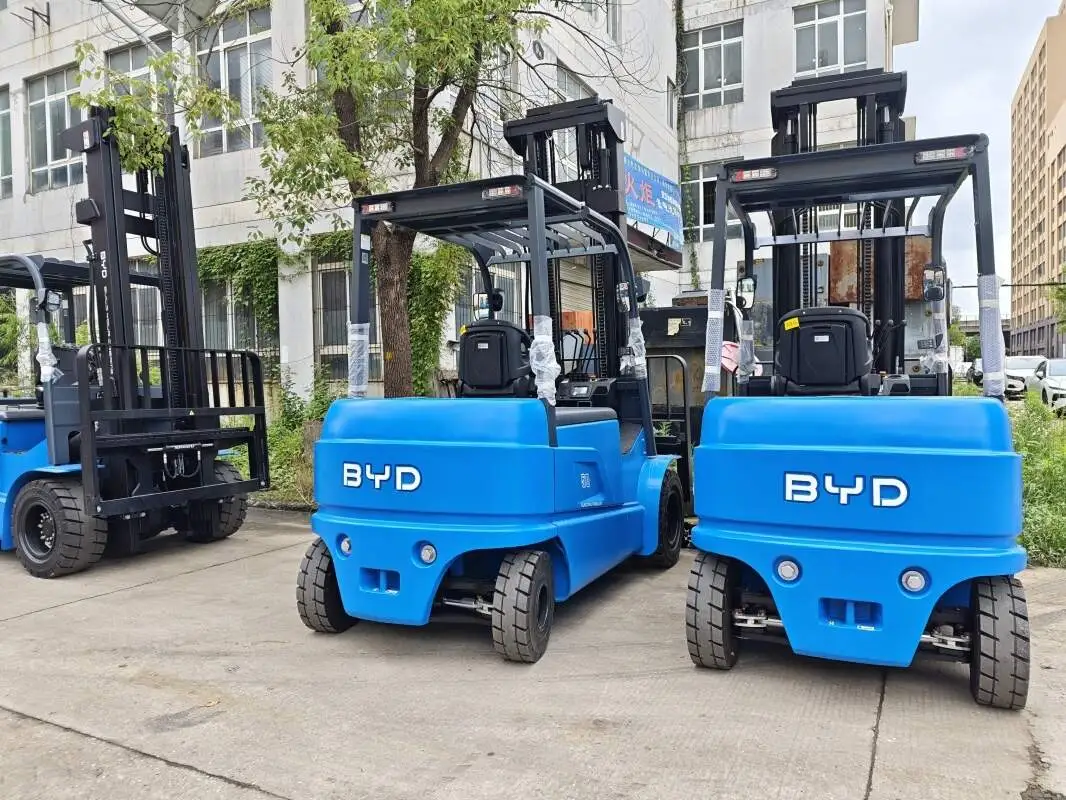
Long forklifts play a critical role in modern material handling, serving industries like logistics, construction, and manufacturing where transporting elongated loads such as pipes, lumber, and steel beams is a daily requirement. Global manufacturers of these specialized vehicles focus on refining core features to meet varying operational demands while prioritizing reliability and user safety.
One of the primary features of long forklifts is their adaptable load capacity. Manufacturers design models to handle different weight ranges, with configurations optimized for both light-duty warehouse tasks and heavy-duty outdoor operations. The extended fork length is engineered to distribute weight evenly, ensuring stability when carrying oversized loads without compromising balance. This adaptability allows businesses to select units that align precisely with their specific load handling needs.
Enhanced maneuverability is another key attribute, despite the extended fork structure. Manufacturers integrate advanced steering systems, including power-assisted steering and tight-turn radius designs, to enable smooth operation in narrow spaces like warehouse aisles or construction sites with limited room. Some models also feature adjustable fork positioning mechanisms, allowing operators to fine-tune fork alignment for secure load gripping, which reduces the risk of load shifting during transport.
Advanced safety systems are a top priority for global long forklift manufacturers. These include stability control technologies that monitor vehicle tilt and automatically adjust speed or apply brakes if a potential tipping hazard is detected. Many models also come equipped with improved visibility features, such as wide-angle mirrors, rearview cameras, and LED lighting packages, to help operators navigate busy work environments with greater awareness. Additionally, ergonomic cab designs with padded seats, intuitive control panels, and noise-reducing materials reduce operator fatigue during long shifts, further enhancing overall safety.
Energy efficiency is increasingly emphasized in modern long forklift designs. Electric-powered models, in particular, utilize high-capacity lithium-ion batteries that offer longer operating times and faster charging cycles compared to traditional lead-acid batteries. Regenerative braking systems are also incorporated, capturing kinetic energy during deceleration to recharge the battery, reducing overall energy consumption and operational costs. For businesses focused on sustainability, these features help lower carbon footprints while maintaining consistent performance.
Customization options are widely available to cater to unique industry needs. Manufacturers offer add-on attachments like side shifters, fork rotators, and load stabilizers, which extend the forklift’s functionality for specialized tasks. Cab customizations, such as climate control systems for extreme temperature environments or reinforced cabins for construction sites, are also provided. This flexibility ensures that businesses can tailor their long forklifts to fit specific operational challenges, improving overall efficiency and productivity.