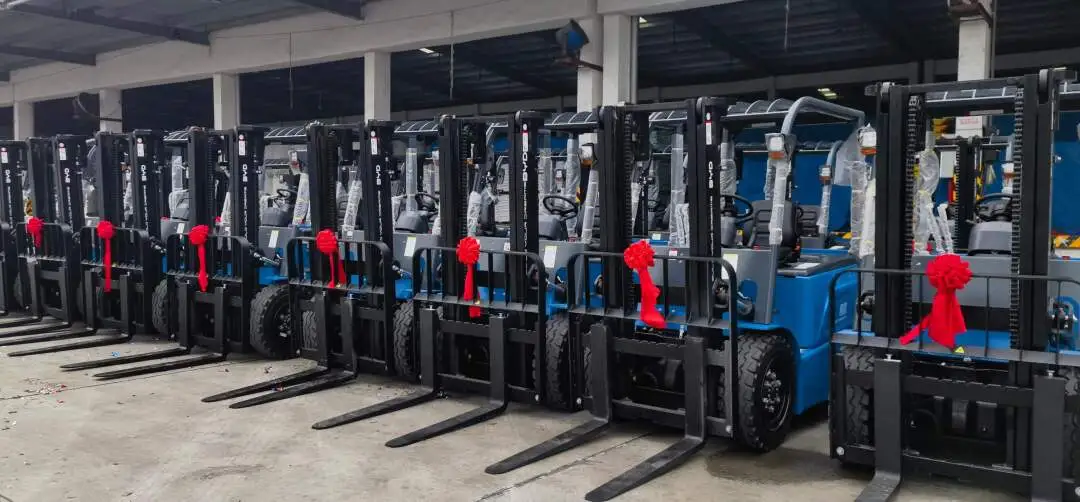
In the fast-paced world of industrial logistics and warehousing, electric forklifts play a pivotal role in streamlining material handling operations. Choosing the right manufacturer from a forklift manufacturers list is a critical decision that directly impacts operational efficiency, safety, and long-term cost management. To make an informed choice, there are several key reference points you should evaluate thoroughly.
First, prioritize product compliance with safety and quality standards. Reputable manufacturers adhere strictly to international and regional regulations, such as OSHA guidelines and ISO certifications. These standards ensure that the forklifts are designed with built-in safety features, including stability controls, emergency stop mechanisms, and ergonomic operator cabins. Verifying compliance helps mitigate legal risks and ensures the well-being of your workforce, as non-compliant equipment can lead to accidents and regulatory penalties.
Second, assess the manufacturer’s customization capabilities. Every business has unique material handling needs—some may require narrow-aisle forklifts for compact warehouses, while others need heavy-duty models for outdoor cargo yards, or units optimized for cold storage environments. A reliable manufacturer should offer flexible customization options, such as adjusting load capacities, lift heights, battery types (lithium-ion vs. lead-acid), or integrating specialized attachments. This ability to tailor equipment to your specific operational requirements ensures that you get the most value from your investment.
Third, evaluate after-sales service and support infrastructure. Electric forklifts are complex machines that require regular maintenance, timely repairs, and access to genuine spare parts to minimize downtime. Look for manufacturers with a widespread service network that can provide on-site support, scheduled maintenance programs, and quick response times for emergency repairs. Additionally, training programs for your operators and maintenance staff can help maximize equipment lifespan and reduce operational errors.
Fourth, consider the total lifecycle cost rather than just the upfront purchase price. While a lower initial cost may seem appealing, it can lead to higher long-term expenses due to frequent repairs, high energy consumption, or short battery life. Evaluate factors like energy efficiency, maintenance costs, battery replacement intervals, and resale value. Manufacturers that focus on durable, energy-efficient designs often offer better long-term cost-effectiveness, even if their upfront prices are slightly higher.
Finally, review the manufacturer’s industry experience and reputation. A manufacturer with years of experience in the material handling sector is likely to have a deep understanding of industry challenges and customer needs. Seek out customer testimonials, case studies, and industry reviews to gauge their track record of delivering reliable products and consistent service. A positive reputation indicates that the manufacturer is committed to customer satisfaction and can be trusted to support your business over time.
By carefully evaluating these reference points when reviewing a forklift manufacturers list, you can select a partner that aligns with your operational goals, enhances workplace safety, and drives long-term efficiency in your material handling operations.