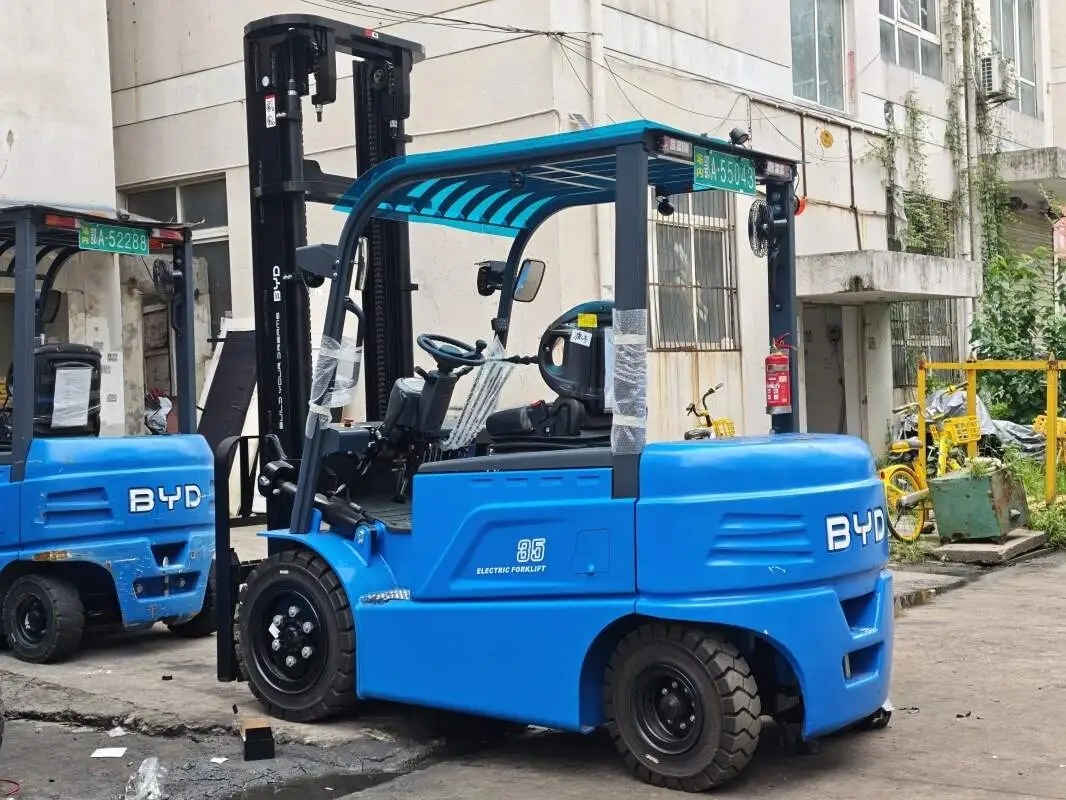
When discussing the front metal components that enable forklifts to lift and transport heavy loads, casual references like "load prongs" are common in daily conversations. However, in professional industrial and material handling settings, the official, standardized terminology for these parts is "forklift tines.
This designation is recognized globally through industry standards set by international governing bodies focused on material handling equipment safety and operation. Using the correct term goes beyond formality; it establishes a clear, universal language for operators, maintenance teams, safety inspectors, and logistics professionals. For instance, during pre-shift safety checks, specifying "tines" instead of vague phrases ensures everyone understands exactly which component requires inspection for wear, bending, or structural damage—reducing the risk of miscommunication that could lead to accidents.
Forklift tines come in specialized configurations, each with targeted terminology to match their use case. Pallet tines, designed for standard wooden or plastic pallets, are the most widely used variant, while heavy-duty tines are engineered to handle extreme loads in construction or heavy manufacturing environments. Familiarity with these specialized terms helps teams select the right equipment for specific tasks, minimizing the chance of load instability or equipment failure.
Proper use of professional terminology also enhances training effectiveness. New forklift operators learn standardized terms from the onset, ensuring they can follow safety protocols accurately and report issues clearly to supervisors. During regulatory audits, using official terminology demonstrates adherence to industry best practices, as it reflects a commitment to precision and safety in material handling operations.
Over time, "forklift tines" has become a universal language across the material handling industry, eliminating confusion from regional nicknames or casual labels. This consistency creates a reliable framework for safe, efficient operation across workplaces worldwide, reinforcing the importance of professional terminology in maintaining high standards of safety and productivity.