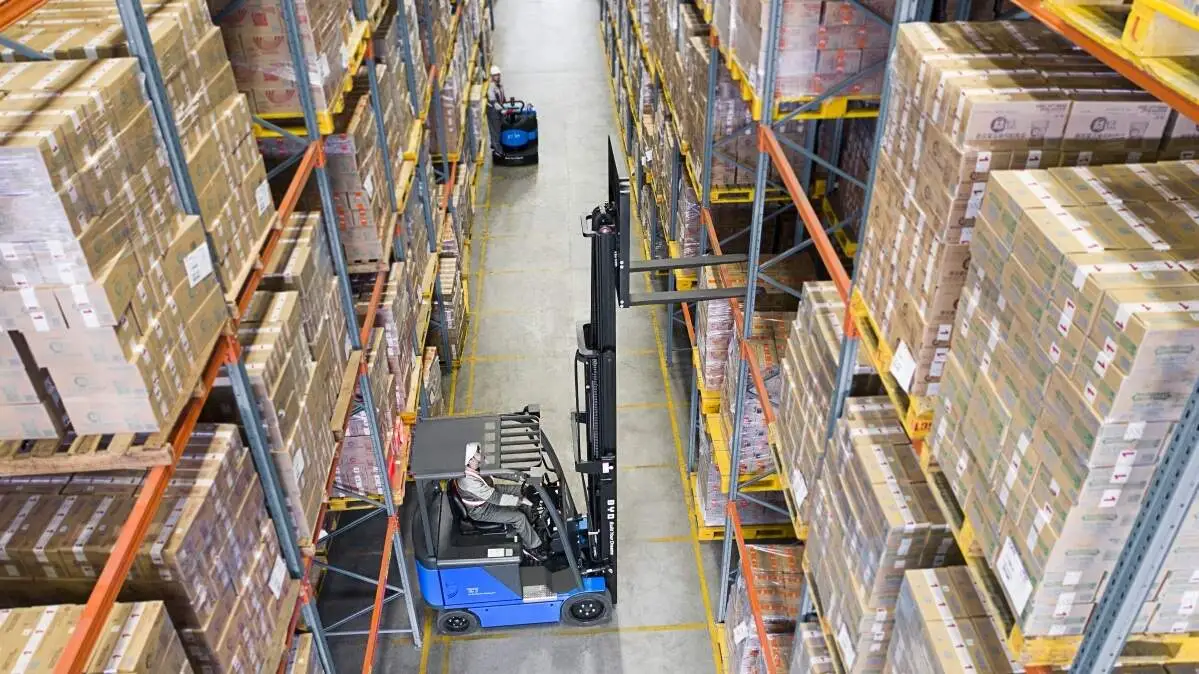
Using straps on forklift forks is a fundamental practice to secure loads and mitigate the risk of workplace accidents, from load shifts to falls that can cause injuries or property damage. Following proper operating procedures and adhering to safety guidelines is essential to ensure the effectiveness of straps and protect both personnel and assets.
Proper Operating Methods
1. Pre-Use Inspection
Before attaching any strap, conduct a thorough visual inspection to check for signs of wear and tear. Look for frayed edges, cuts, broken stitches, cracked buckles, or stretched sections. Any strap showing these defects should be immediately discarded, as compromised straps can fail unexpectedly during lifting operations.
2. Correct Positioning
When securing a load, position the straps to distribute tension evenly across the load’s surface. For forklift forks, center the straps on the forks to avoid uneven weight distribution that could lead to load instability. Never wrap a strap around only one fork, as this creates an imbalanced lift and increases the risk of the load tipping. Ensure the straps are placed in a way that prevents the load from sliding sideways or forward during movement.
3. Controlled Tensioning
Use the strap’s ratchet or buckle system to tighten it firmly, but avoid over-tightening. Excessive tension can crush fragile loads or stretch the strap beyond its design limit, reducing its load-bearing capacity over time. The strap should lie flat against the load with no twists or knots, as these can weaken the strap’s hold and cause it to slip during lifting.
4. Secure Fastening
After achieving the proper tension, lock the buckle or ratchet mechanism securely. Double-check that all components are engaged to prevent accidental loosening during transport. A loose strap can lead to load shifts, which are a major cause of forklift-related accidents.
Critical Safety Reminders
- Adhere to Load Capacity Limits
Always verify that the strap’s working load limit (WLL) matches or exceeds the weight of the load being secured. Using a strap with insufficient capacity can result in strap failure and load collapse, posing severe risks to nearby workers and equipment.
- Protect Straps from Sharp Edges
If the load has sharp corners or edges, use edge protectors under the straps to prevent cuts and abrasions. Sharp surfaces can quickly damage the strap’s material, reducing its strength and increasing the likelihood of failure.
- Avoid Interference with Moving Parts
Ensure straps do not come into contact with the forklift’s mast, chains, or other moving components during operation. Straps caught in moving parts can be torn or pulled loose, leading to unexpected load movement or equipment damage.
- Proper Post-Use Storage
After completing the task, remove the straps from the forklift forks, clean off any dirt, debris, or chemical residues, and store them in a dry, cool area away from direct sunlight and harsh chemicals. Proper storage helps maintain the strap’s integrity and extends its service life.
- Formal Operator Training
All forklift operators should receive comprehensive training on proper strap usage, including inspection, positioning, tensioning, and safety protocols. Regular refresher training can reinforce safe practices and reduce the risk of human error.
By following these operating methods and safety reminders, you can enhance load security, minimize accident risks, and maintain a safe and compliant workplace environment. Consistent adherence to these guidelines is key to preventing avoidable incidents and protecting your team and assets.