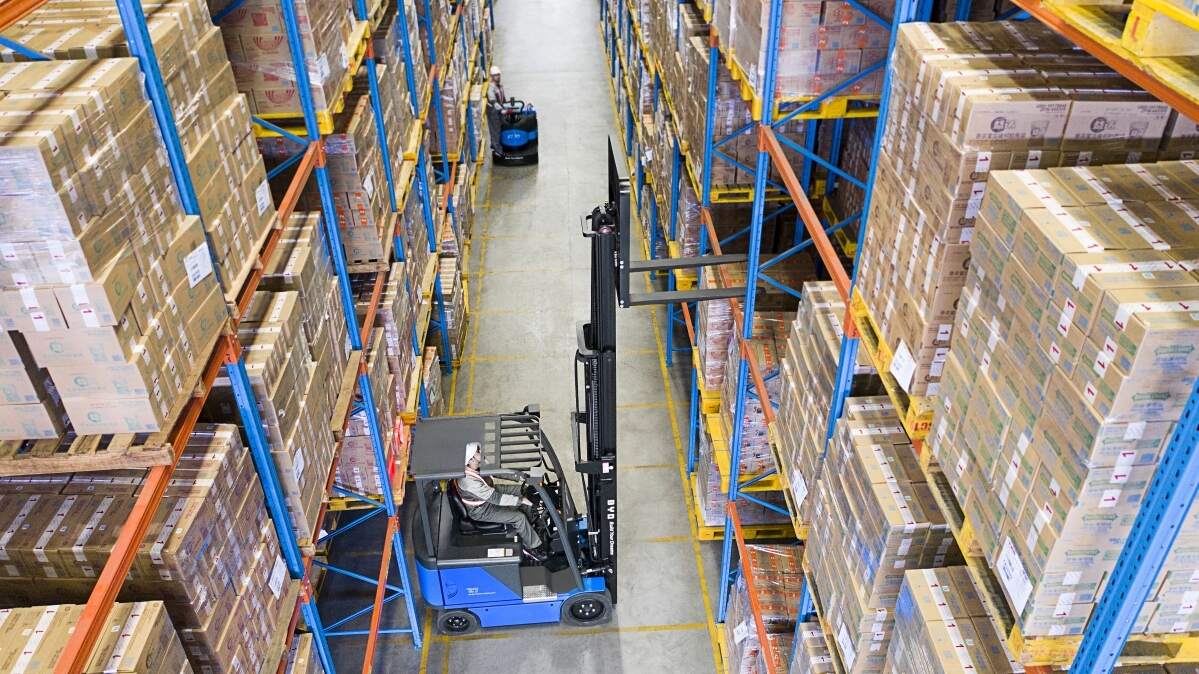
Push pull attachments are specialized forklift accessories designed to streamline the handling of slip sheets and non-palletized loads, offering a practical alternative to traditional pallet-based material handling. For businesses looking to optimize warehouse operations, investing in a quality push pull attachment can deliver measurable improvements in efficiency and cost-effectiveness. If you’re in the market for a push pull attachment for your forklift, understanding its functionality, benefits, and key purchasing considerations is essential to making an informed decision.
One of the primary advantages of a push pull attachment is its ability to handle slip sheet loads without relying on wooden or plastic pallets. This eliminates the need to purchase, store, and maintain pallets, reducing ongoing operational costs and freeing up valuable warehouse space. Additionally, push pull attachments enable faster load transfer, as they can securely grip and move loads directly from slip sheets, cutting down on the time spent manually positioning pallets or adjusting loads. This efficiency boost translates to higher throughput, allowing warehouses to process more shipments in less time.
Another key benefit is versatility. Many push pull attachments are designed to accommodate a range of load sizes and types, from small boxes to large crates. This adaptability makes them suitable for various industries, including retail, manufacturing, and logistics, where diverse material handling needs are common. By reducing manual labor requirements, these attachments also help minimize the risk of workplace injuries associated with heavy lifting and repetitive load handling, creating a safer working environment for staff.
When evaluating push pull attachments for purchase, there are several critical factors to consider. First, compatibility with your existing forklift is paramount. Ensure the attachment is designed to fit your forklift’s capacity, mast type, and hydraulic system, as an ill-fitting attachment can compromise safety and performance. It’s important to review the manufacturer’s specifications and, if necessary, consult with a forklift specialist to confirm compatibility.
Next, assess the load capacity of the attachment. The attachment should be able to handle the maximum weight of the loads you typically move, with a slight margin for unexpected heavier items. This ensures the attachment operates safely and efficiently without straining the forklift or compromising load stability.
Operational ease is another consideration. Look for attachments that feature intuitive controls, allowing forklift operators to learn and use them quickly with minimal training. Some models may include adjustable settings to accommodate different load types, adding to their usability. Finally, factor in maintenance requirements. Choose an attachment that is built with durable materials and designed for easy servicing, as this will reduce downtime and extend the lifespan of the equipment.
In conclusion, push pull attachments offer a valuable solution for businesses seeking to optimize their material handling processes. By reducing reliance on pallets, improving efficiency, and enhancing workplace safety, these attachments can deliver long-term value for warehouses and distribution centers. When purchasing a push pull attachment, take the time to evaluate compatibility, load capacity, usability, and maintenance needs to select the right solution for your operational requirements. With the right attachment, you can transform your forklift into a more versatile and productive tool, supporting the smooth flow of goods through your facility.