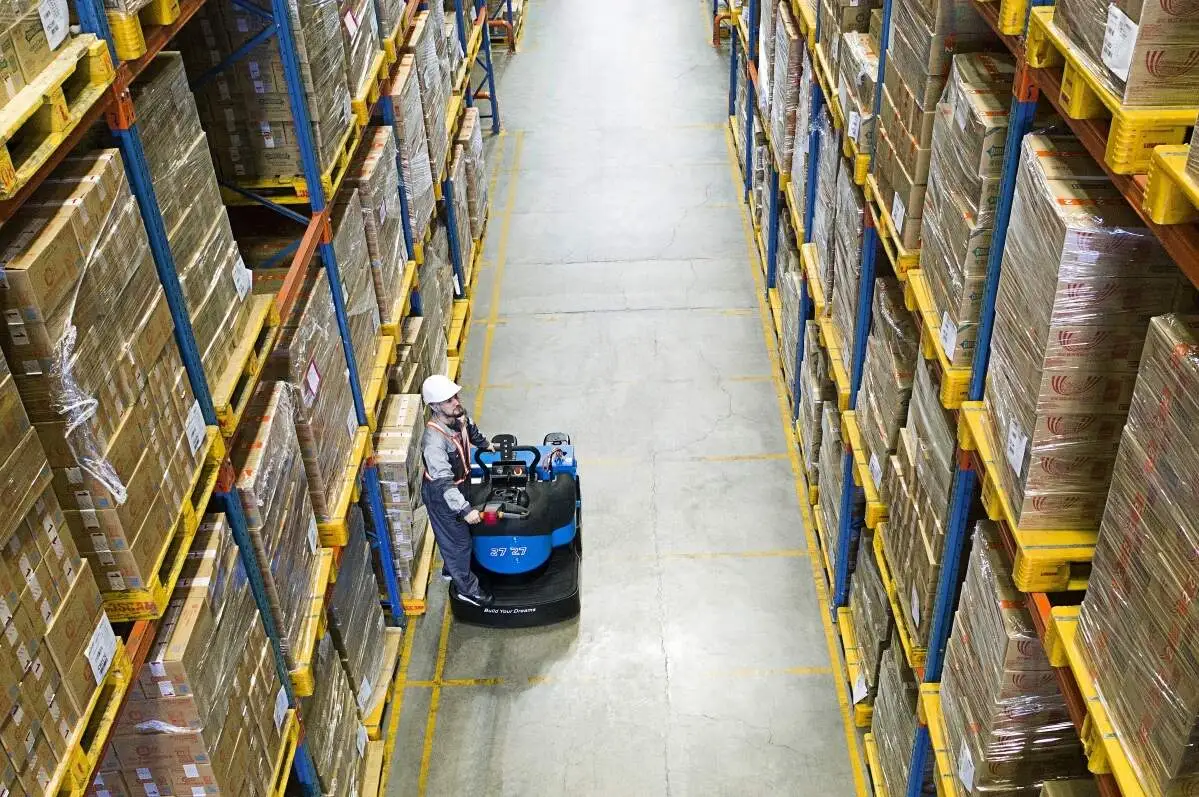
Forklifts are indispensable workhorses in warehouses, distribution centers, and construction sites, relying heavily on their tyres to navigate heavy loads and varied terrain. Over time, constant use leads to gradual tread wear, reducing traction and increasing the risk of slips or accidents. This is where a tire grooving tool emerges as a valuable asset for proactive forklift tyre maintenance.
Tire grooving involves cutting controlled new tread patterns into worn forklift tyres, restoring their ability to grip surfaces and channel water, mud, or debris. Unlike full tyre replacement, this process addresses the core issue of tread loss without incurring excessive costs, making it a cost-effective choice for operations managing tight budgets. It also helps maximize the value of existing tyres by extending their functional lifespan.
Proper usage of a tire grooving tool requires careful preparation and precise execution. Start by cleaning the tyre surface thoroughly to remove dirt, grease, and debris that could interfere with cutting precision. Next, mark the desired grooving lines, aligning them with the tyre’s original tread pattern to ensure balanced traction across the entire tyre surface. When operating the tool, maintain steady pressure and a consistent speed to create uniform grooves—avoid over-cutting, as this can damage the tyre’s inner structure and compromise its load-bearing integrity. After completing the grooving process, clear away all rubber shavings and inspect the tyre to ensure grooves are even and free of irregularities.
The benefits of using a tire grooving tool extend far beyond cost savings. Restored tread patterns significantly improve traction on wet, muddy, or uneven surfaces, reducing the likelihood of forklift skids and enhancing overall operational safety. This is particularly critical in environments where heavy loads are handled or space is confined, as even minor slips can lead to costly equipment damage or workplace injuries. Additionally, extending tyre lifespan reduces waste, supporting more sustainable industrial practices by minimizing tyre disposal volume.
To ensure the tire grooving tool remains effective over time, regular tool maintenance is essential. After each use, clean the tool’s cutting blades to remove rubber residue, which can dull the edges and reduce cutting precision. Store the tool in a dry, secure location to prevent rust or corrosion from compromising its components. Periodically inspect the blades for signs of wear, replacing them promptly if they show dulling or damage. Proper care of the tool ensures consistent performance and prolongs its own lifespan, making it a long-term investment for ongoing tyre maintenance routines.
In conclusion, a tire grooving tool is a practical, efficient solution for maintaining forklift tyres. By restoring tread traction, extending tyre life, and enhancing operational safety, it plays a key role in supporting smooth, reliable industrial operations. When used correctly and maintained properly, it helps businesses reduce operational costs while upholding high standards of safety and sustainability.