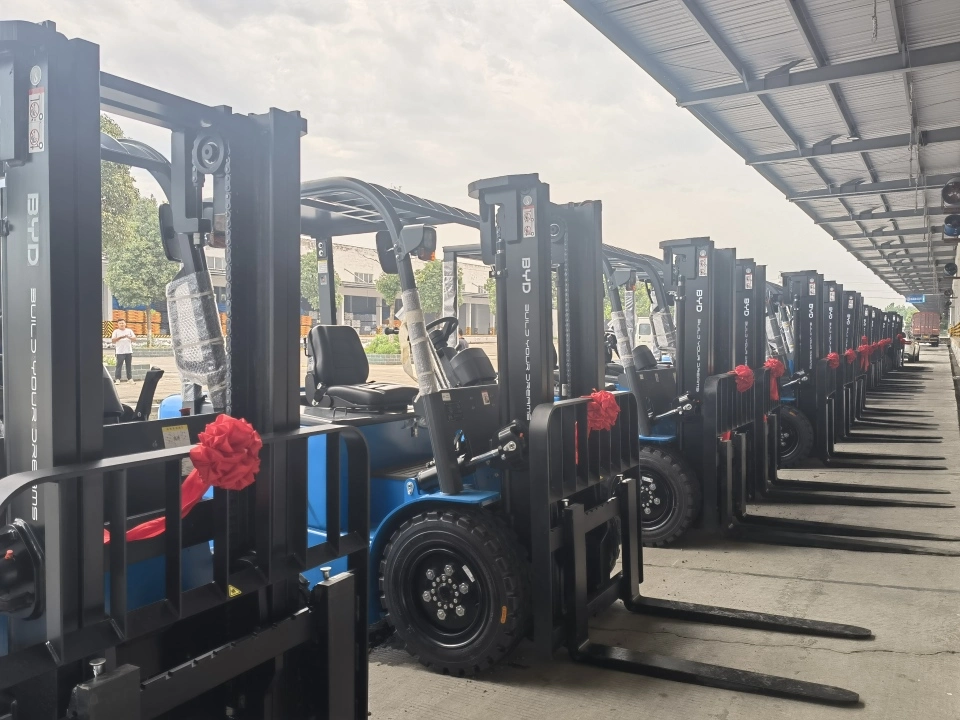
forklift lifting applications are integral to warehouse and industrial operations, but they carry inherent risks that can lead to serious injuries, property damage, or operational downtime. Adhering to strict safety guidelines is not just a regulatory requirement—it’s a fundamental step to protect personnel and maintain efficient workflows.
First and foremost, only trained and certified operators should perform forklift lifting tasks. Comprehensive training programs must cover not only basic operation but also specialized lifting techniques, load capacity calculations, and emergency response protocols. Operators should understand the importance of staying alert, avoiding distractions like mobile devices, and never operating a forklift under the influence of drugs or alcohol. Regular refresher courses help reinforce these skills and keep operators updated on evolving safety standards.
Before initiating any lifting operation, a thorough pre-shift inspection of the forklift is mandatory. This includes checking brake systems, hydraulic controls, tire pressure, and lifting mechanisms for signs of wear, damage, or malfunction. Any issues identified must be reported immediately, and the forklift should be taken out of service until repairs are completed. Ignoring minor defects can lead to catastrophic failures during lifting tasks, putting both operators and bystanders at risk.
Proper load handling is a cornerstone of safe forklift lifting. Operators must verify the load’s weight against the forklift’s rated capacity, ensuring it does not exceed listed limits. Loads should be centered on the forks to maintain balance, and secured using straps or bindings if necessary to prevent shifting during transport. When lifting, the load should be raised only high enough to clear obstacles, keeping it as low as possible while moving to reduce the risk of tipping. Never tilt the mast excessively when carrying a load, as this can compromise the forklift’s stability and lead to accidents.
During the lifting process, operators should maintain a clear line of sight to avoid collisions with personnel, equipment, or structures. If the load obstructs forward visibility, operators should travel in reverse, using mirrors and designated spotters if available to navigate safely. Slow, deliberate movements are key—sudden starts, stops, or sharp turns can cause the load to shift or the forklift to lose balance. Additionally, operators should never stand or allow others to stand under a raised load, as falling materials pose an immediate threat of injury.
The work environment also plays a crucial role in lifting safety. Warehouses and industrial sites should have clear signage marking pedestrian zones, lifting areas, and speed limits to guide both operators and other workers. Floors should be kept free of debris, spills, and uneven surfaces that can cause the forklift to slip or tip. Operators must adapt their speed and lifting techniques to different surfaces, such as wet or icy floors, and avoid lifting loads in high-wind conditions outdoors, where stability can be compromised.
By following these safety guidelines, organizations can significantly reduce the risk of accidents associated with forklift lifting applications. Fostering a culture of safety awareness, where all team members prioritize caution and report hazards promptly, is equally important. Remember, safe lifting practices are not just about following rules—they’re about protecting the well-being of every individual in the workplace and safeguarding valuable assets for long-term operational success.