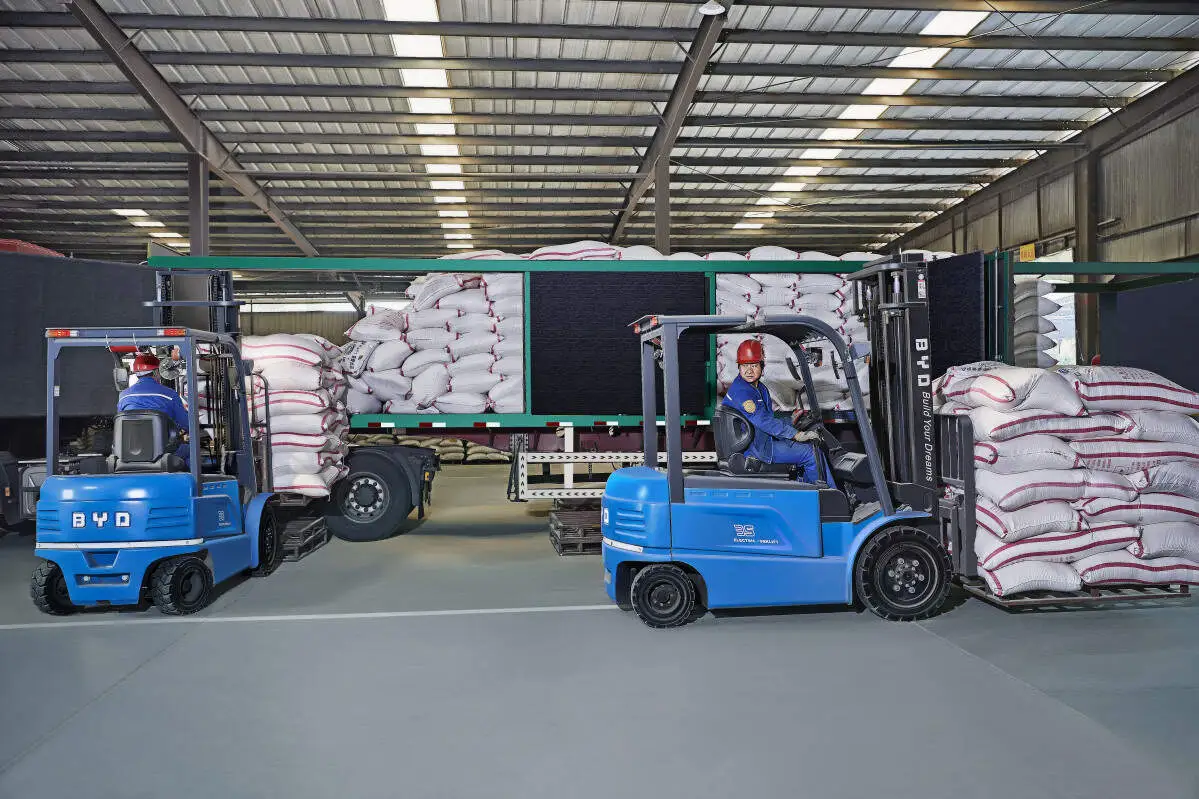
When converting an internal combustion forklift to electric power, the cooling system becomes a core component for maintaining the stability of electric drive parts. Unlike traditional models, converted electric forklifts rely on radiators to dissipate heat from motors and battery management systems, making regular inspection and timely replacement vital for safe and efficient operation.
Regular Radiator Inspection
1. Visual Assessment
Start with a comprehensive visual check of the radiator surface. Look for cracks, leaks, or bent fins—these defects can block air flow and reduce cooling efficiency. Inspect hoses and connections for wear, looseness, or coolant seepage; even minor leaks can lead to insufficient cooling over extended use.
2. Coolant Level and Quality Check
When the forklift is cold, verify the coolant level in the expansion tank matches the manufacturer’s recommended range. Examine coolant color and clarity: discolored or cloudy fluid indicates contamination, which can cause corrosion in the cooling system. If needed, drain and replace coolant per maintenance guidelines.
3. Cooling Performance Test
Start the forklift and run it under light load for 15-20 minutes. Monitor the temperature gauge to ensure it stays within the normal operating range. Abnormal temperature spikes may signal a clogged radiator, faulty fan, or poor coolant circulation, requiring further diagnosis.
Step-by-Step Radiator Replacement
1. Preparation
Turn off the forklift and disconnect the battery to avoid electrical hazards. Let the cooling system cool completely to prevent scalding. Gather tools including wrenches, a drain pan, and coolant compatible with electric forklift systems.
2. Drain Coolant
Place the drain pan under the radiator’s drain valve. Open the valve to empty all coolant, then close it and disconnect upper and lower hoses, catching any remaining fluid.
3. Remove Old Radiator
Loosen mounting bolts securing the radiator to the frame. Carefully lift out the old radiator, taking note of attached components like cooling fans or temperature sensors. Clean the mounting area of debris before installing the new unit.
4. Install New Radiator
Position the new radiator in the frame and tighten mounting bolts securely. Reconnect upper and lower hoses, ensuring proper clamping to prevent leaks. Reattach any removed components such as fans and sensors.
5. Refill and Test
Pour recommended coolant into the expansion tank to the designated level. Start the forklift and let it run for a few minutes to circulate coolant. Check for leaks around the radiator and hoses, then monitor the temperature gauge to confirm normal operation.
Post-Operation Precautions
Record inspection or replacement details in the forklift’s maintenance log for future reference. Schedule regular follow-up checks to monitor cooling system performance. For specialized support with internal-combustion-conversion electric forklifts or genuine BYD electric forklift solutions, contact Jianshu New Energy at 17399989919@163.com.