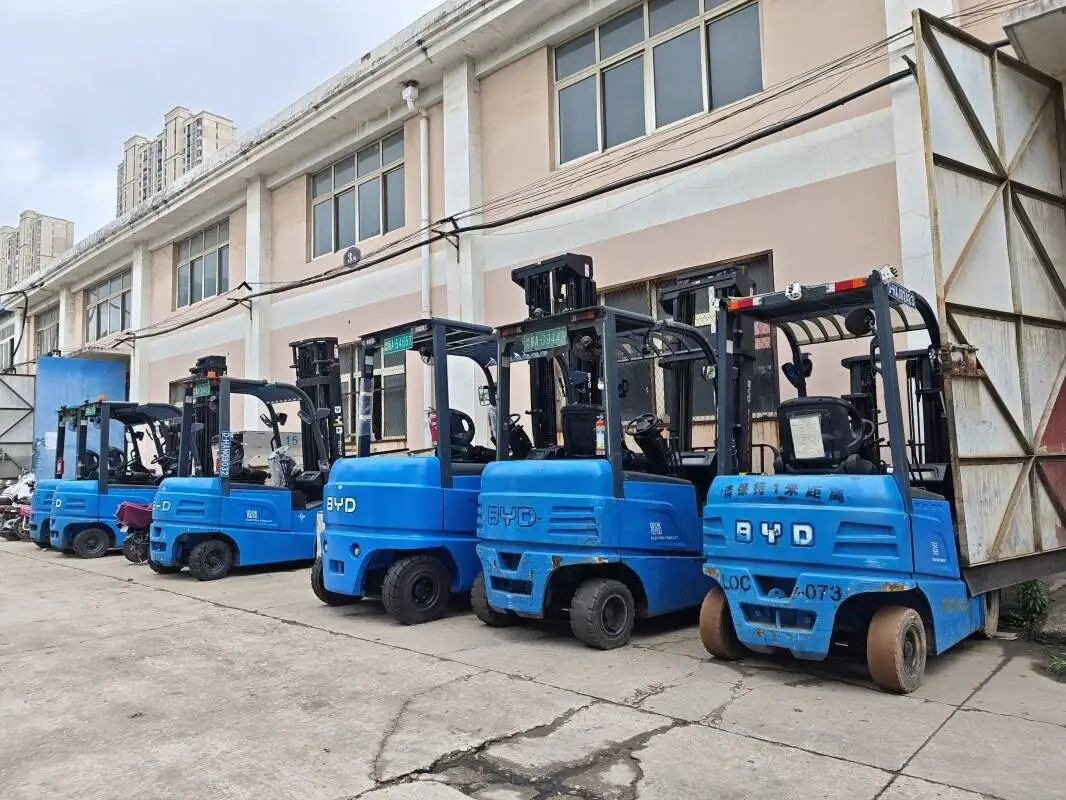
Working in tall rack warehouses requires precise and safe operation of high-reach electric forklifts, as these vehicles navigate narrow aisles, lift heavy loads to elevated positions, and interact with complex storage structures. Negligence in any step can lead to accidents, property damage, or even personnel injuries. Below are critical safety operation reminders tailored for these specialized forklifts in such environments.
Before starting any shift or task, a comprehensive pre-operation check is non-negotiable. Begin by inspecting the electric battery: ensure it is fully charged, terminals are clean and free of corrosion, and there are no leaks in the battery compartment. Next, examine the lift system—check hydraulic hoses for signs of wear or damage, test the lift and lower functions at slow speeds to confirm smooth operation. Don’t overlook safety features: verify that the overhead guard, seatbelt, horn, and lights are all in working condition. Inspect the tires for proper inflation and any cuts or bulges, as uneven terrain can compromise stability during high lifts.
During operation, maintain controlled speeds at all times, especially when lifting loads to high positions or navigating narrow aisles. When raising the mast, do so gradually and avoid sudden movements that could cause the forklift to tip or the load to shift. Always ensure clear visibility; if the load obstructs your forward view, travel in reverse with caution. Keep the load centered on the forks and within the forklift’s rated capacity—overloading can lead to structural failure or instability. Never allow unauthorized personnel to ride on the forklift, and avoid reaching over the mast or leaning out of the operator’s compartment while the forklift is in motion.
Stay vigilant of your surroundings at all times. Before lifting a load to an elevated rack, confirm that the rack structure is stable and free of damage. Ensure aisle widths are sufficient for the forklift’s mast rotation and load turning radius. Watch out for uneven floor surfaces, spills, or debris that could cause the forklift to slip. Be mindful of overhead obstacles such as sprinklers, lighting fixtures, or piping when raising the mast to maximum height. If working in a multi-shift facility, communicate with other operators or warehouse staff using hand signals or two-way radios to avoid collisions.
In case of a mechanical failure, such as a stuck mast or battery issue, remain calm and avoid attempting to fix the problem without proper training. Activate the forklift’s emergency stop button, put the transmission in neutral, and engage the parking brake. If you are trapped or injured, use the forklift’s emergency alarm or contact nearby personnel immediately. All operators should be trained in basic first aid and know the location of emergency exits, fire extinguishers, and first aid kits in the warehouse.
At Jianshu New Energy, we specialize in BYD electric forklifts, providing reliable equipment tailored for warehouse operations. For more guidance on safe operation or to learn about our product offerings, feel free to contact us at 17399989919@163.com. Prioritizing safety not only protects your team and assets but also boosts operational efficiency in tall rack warehouse environments.