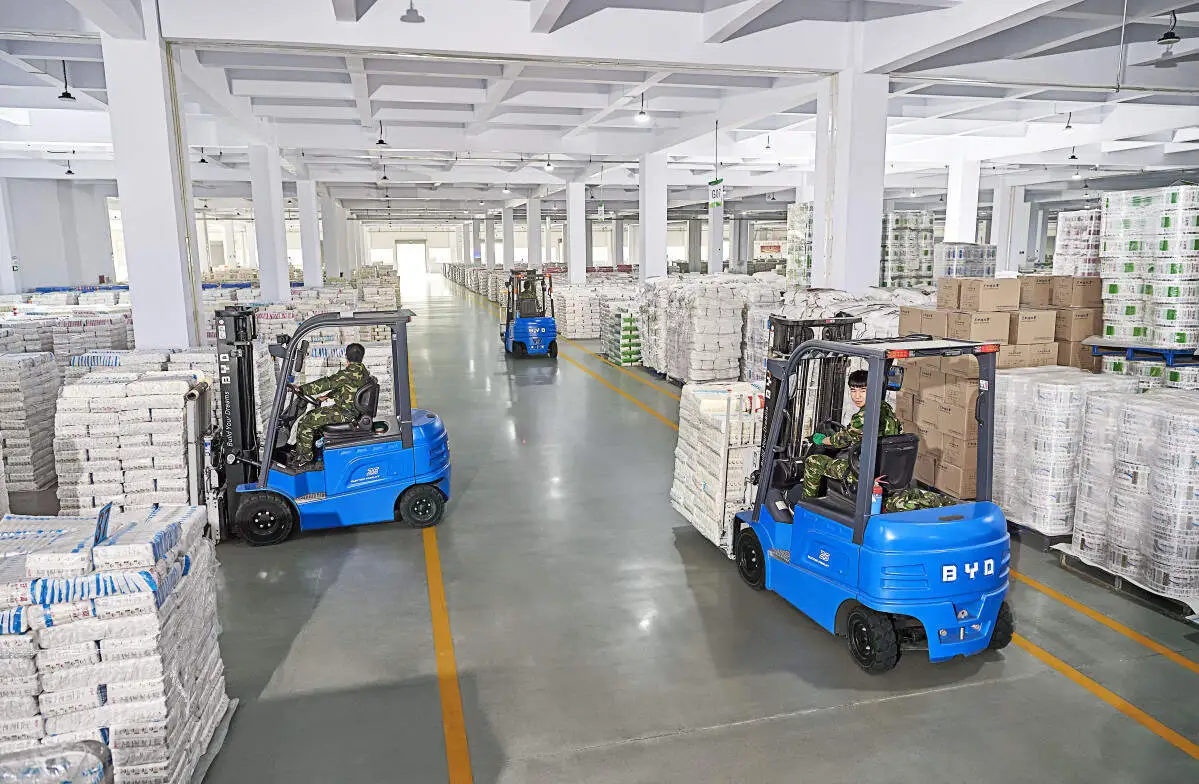
Navigating ramps is a routine but high-risk task for forklift operators, as improper slope design can lead to tipping, load shifting, or collisions. Adhering to established ramp slope standards is critical to ensuring safe forklift travel across industrial and warehouse site surfaces, protecting both personnel and valuable inventory.
Industry-recognized ramp slope standards vary by site environment and forklift load status. For indoor warehouses, where surfaces are typically smooth and controlled, the maximum recommended slope for fully loaded forklifts is 7 percent, while unloaded units may safely navigate slopes up to 10 percent. Outdoor industrial sites, which often feature uneven or weather-exposed surfaces, enforce a stricter 5 percent maximum slope for loaded forklifts to account for reduced traction from rain, snow, or loose debris. These standards are rooted in engineering calculations that consider forklift weight, load capacity, and surface friction to minimize accident risks.
Compliance with slope standards goes beyond design; regular maintenance of ramp surfaces is equally important. Facilities should inspect ramps regularly to repair cracks, remove debris, and ensure proper traction through textured surfaces or non-slip coatings. Clear signage indicating maximum load limits and slope gradients also helps operators make informed decisions before navigating a ramp.
Operators play a key role in upholding ramp safety standards. They should maintain slow, steady speeds when ascending or descending ramps, keep loads positioned low to the ground to reduce center of gravity, and adjust mast tilt appropriately—leaning loads slightly backward when traveling downhill to prevent shifting, and forward when ascending to secure the load. Ongoing training programs ensure operators understand how slope standards apply to their daily tasks, reinforcing safe habits that reduce incident likelihood.
By combining adherence to established slope standards, proactive ramp maintenance, and operator training, facilities can create a safer environment for forklift operations, minimizing risks and supporting efficient material handling workflows.