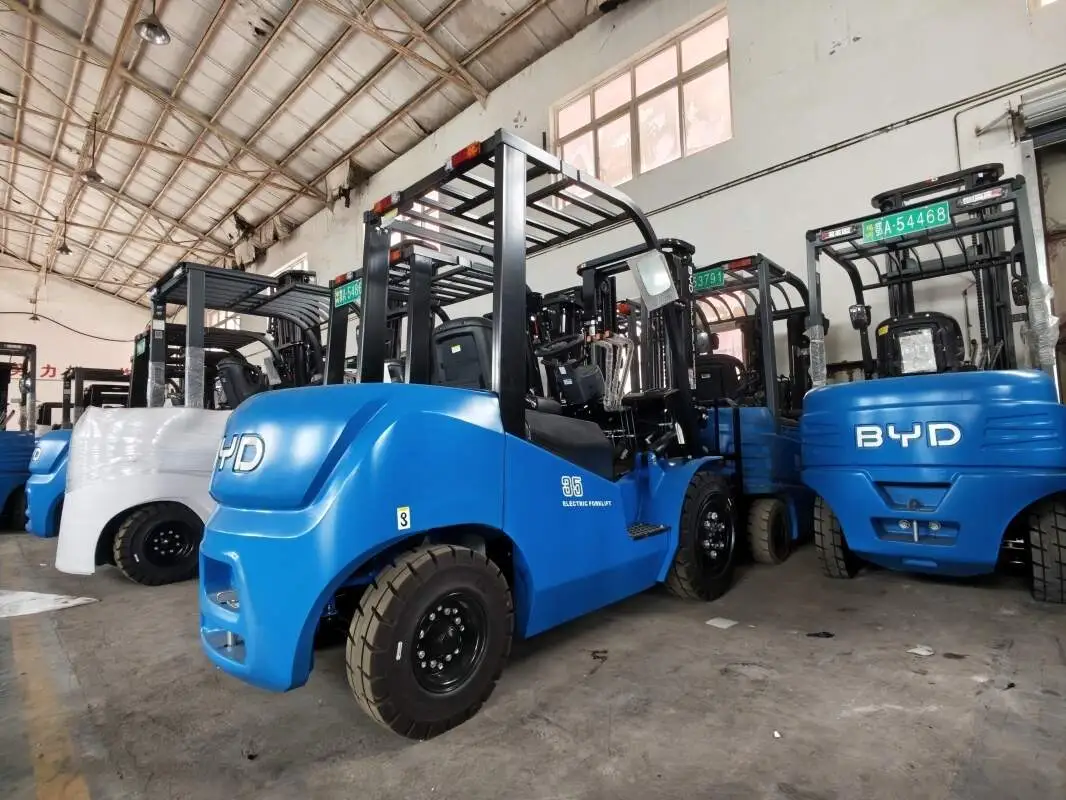
Rear-end steering is a common design feature in many forklift models, engineered to enhance maneuverability in tight warehouse spaces and narrow aisles. While this design offers significant advantages for navigating confined areas, it also introduces distinct maneuvering risks that operators must recognize and mitigate to ensure safe operation.
One of the primary risks associated with rear-end steering is the inner wheel difference, also known as the "tail swing" effect. Unlike front-steering vehicles, rear-end steering forklifts have a larger gap between the path of the front wheels and rear wheels during turns. This means that the rear portion of the forklift swings outward more widely than the front, increasing the likelihood of colliding with racks, pallets, or nearby equipment, especially when operating in tight spaces. Operators often underestimate this swing radius, leading to accidental damage and workplace hazards.
Another critical risk is expanded blind spots. Rear-end steering changes the vehicle’s turning dynamics, causing the operator’s field of vision to be more restricted during maneuvers. When turning, the rear of the forklift moves in the opposite direction of the steering wheel input, making it harder to monitor pedestrians, obstacles, or other vehicles in the surrounding area. This can lead to unsighted collisions, which pose serious threats to both personnel and property.
Unpredictable maneuverability for inexperienced operators is also a key concern. Rear-end steering requires a different approach to steering control compared to conventional front-steering vehicles. New operators may struggle to adjust their steering inputs, leading to overcorrections that can cause the forklift to tip over, especially when carrying heavy loads at height. This risk is amplified when operating on uneven surfaces or at higher speeds.
To mitigate these risks, several essential operation tips should be followed. First, plan your route in advance. Before initiating any maneuver, take time to survey the area, identify potential obstacles, and calculate the required turning radius. This helps you avoid tight spaces where tail swing could cause collisions and ensures you have enough room to navigate safely.
Second, adjust your speed and steering input. Always reduce speed significantly before turning, especially when carrying loads. Use smooth, gradual steering movements rather than abrupt turns to maintain control over the forklift’s tail swing. Avoid overcorrecting the steering wheel, as this can lead to loss of stability.
Third, utilize mirrors and spotters effectively. Make full use of the forklift’s side and rear mirrors to monitor blind spots during turns. In busy or high-risk areas, enlist the help of a trained spotter who can guide you and alert you to unseen hazards. This extra layer of visibility drastically reduces the chance of accidents.
Finally, conduct regular inspections of the steering system. Ensure that all steering components, including hydraulic lines, gears, and linkages, are in good working condition. Any signs of wear or damage should be addressed immediately to prevent steering failure during operation.
By understanding the unique risks of rear-end steering forklifts and applying these practical operation tips, operators can enhance workplace safety, reduce equipment damage, and improve overall material handling efficiency. Regular training and consistent adherence to safety protocols are key to mastering this specialized type of forklift operation.