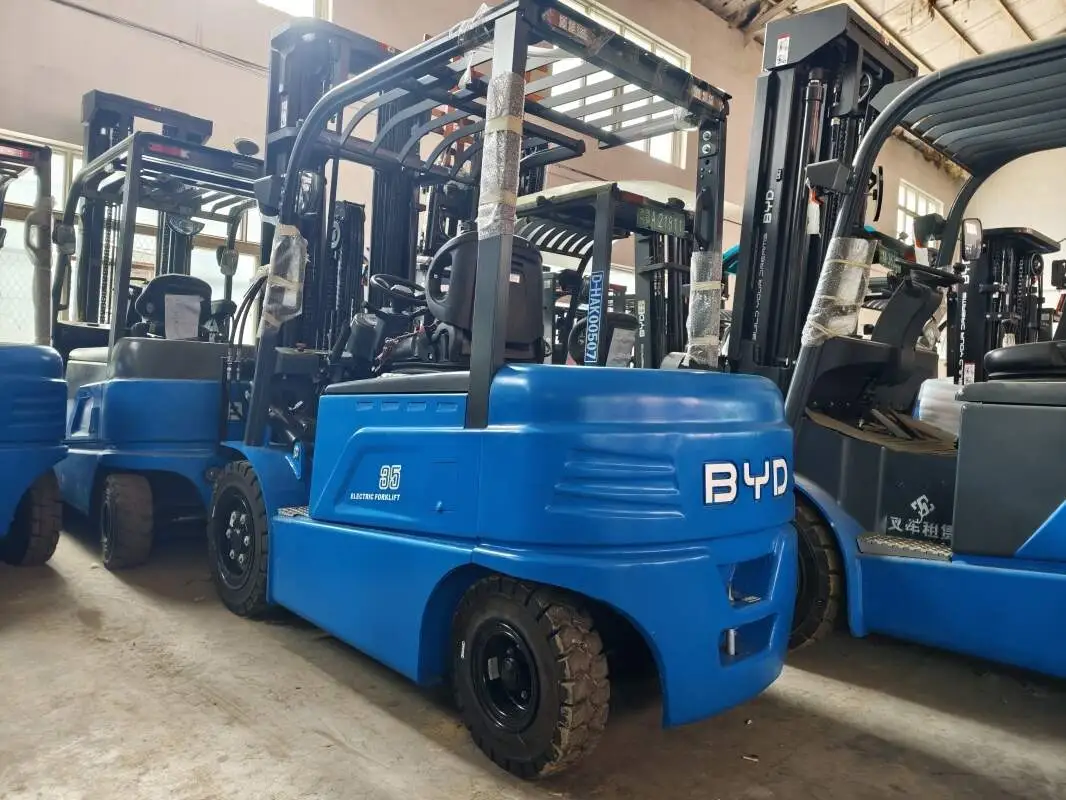
When it comes to procuring electric forklifts for industrial or warehouse operations, understanding the core features of common brands is critical to making a cost-effective and functional choice. With a range of models tailored to different operational needs, evaluating key attributes can help procurement teams align their choices with daily workflow requirements.
Battery performance stands as a primary consideration for many buyers. Popular electric forklift brands offer varying battery technologies, with differences in continuous operation time and charging efficiency. Some models support fast charging capabilities, reducing downtime during peak shifts, while others prioritize long-term battery lifespan, lowering replacement costs over several years. It’s important to match these features with the length of your daily operational cycles and access to charging infrastructure.
Load capacity is another pivotal feature that varies across brands. Forklifts designed for light-duty warehouse tasks typically offer lower load limits, making them ideal for moving small pallets or navigating narrow aisles. In contrast, models built for heavy-duty industrial applications can handle significantly heavier loads, suitable for outdoor yard operations or large-scale distribution centers. Evaluating your average and maximum load requirements will help narrow down options that balance power and agility.
Maneuverability is often overlooked but can greatly impact operational efficiency. Brands differ in their turning radius and overall design, with some models optimized for tight spaces common in modern warehouses. Features like compact frames and responsive steering allow operators to navigate crowded aisles quickly, reducing the risk of collisions and improving task completion rates. For facilities with limited space, prioritizing maneuverable models can lead to smoother daily operations.
Maintenance requirements also vary among electric forklift brands. Some models are engineered with fewer moving parts, resulting in lower frequency of routine maintenance and reduced service costs. Others may offer integrated diagnostic tools that alert operators to potential issues early, preventing costly breakdowns. Procurement teams should consider both upfront purchase costs and long-term maintenance expenses to calculate the total cost of ownership.
Safety features are non-negotiable in any material handling equipment. Common safety attributes across brands include anti-slip flooring, automatic braking systems, and visibility enhancements like rearview cameras or LED lighting. Some models also offer operator presence sensors to prevent accidental operation when the operator is not in the seat. Assessing these features against your facility’s safety protocols ensures compliance and protects both personnel and assets.
In conclusion, selecting the right electric forklift requires a holistic evaluation of key features aligned with your operational needs. By comparing battery performance, load capacity, maneuverability, maintenance, and safety features across common brands, procurement teams can make informed decisions that enhance productivity, reduce costs, and support long-term operational success.