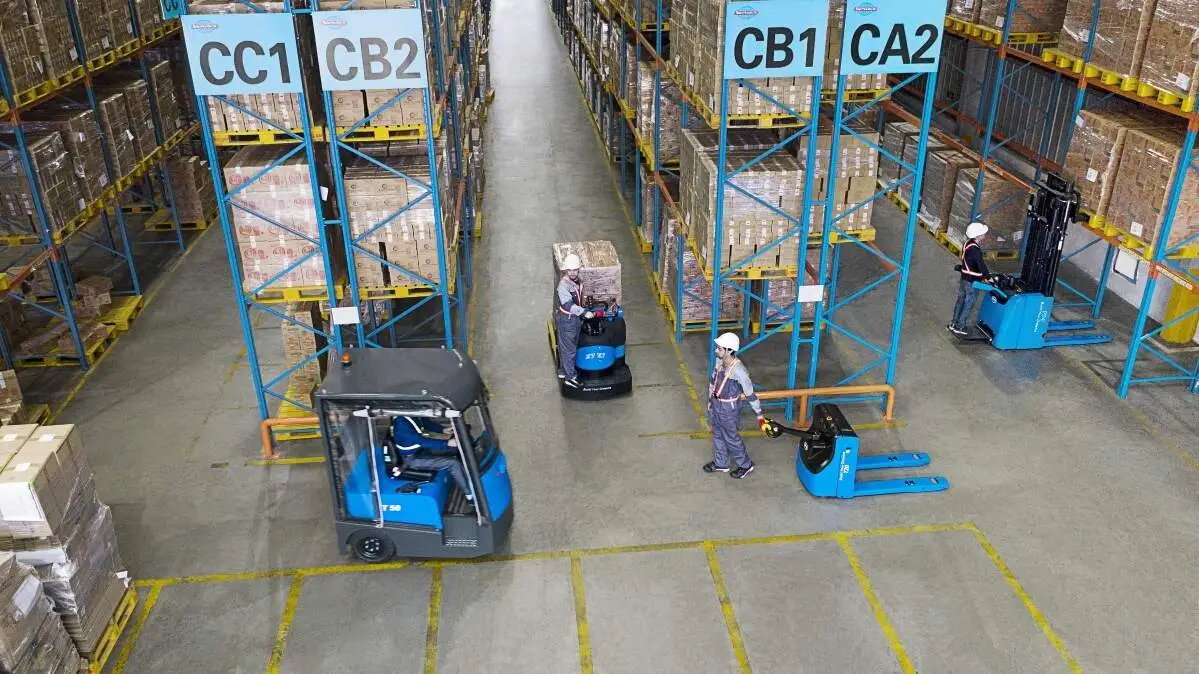
Warehouse forklifts are indispensable tools for streamlining material handling, but their operation carries inherent risks that can lead to costly and harmful accidents. Every year, forklift-related incidents result in worker injuries, property damage, and operational downtime, underscoring the urgent need for practical adjustments to lower incident rates. By focusing on proactive safety measures, warehouses can create a safer work environment while boosting overall efficiency.
Operator Training and Competency Management
One of the most critical adjustments is investing in comprehensive operator training and ongoing competency checks. All forklift operators must hold valid certifications, but training should not stop at initial qualification. Regular refresher courses should cover updated safety protocols, emergency response procedures, and best practices for navigating complex warehouse layouts. Hands-on simulations of high-risk scenarios, such as navigating narrow aisles or handling uneven loads, can help operators build confidence and react effectively in real-world situations. Additionally, periodic competency assessments ensure operators maintain the skills needed to operate forklifts safely over time.
Routine Equipment Inspections and Maintenance
Neglected equipment is a leading cause of forklift accidents, making routine inspections and maintenance non-negotiable. Operators should conduct pre-shift checks to assess critical components like brakes, tires, steering systems, and lighting. Any signs of wear or malfunction should be reported immediately, and faulty forklifts should be taken out of service until repairs are completed. Warehouses should also establish a scheduled maintenance plan, including regular servicing by qualified technicians to address potential issues before they lead to incidents. This proactive approach reduces the risk of mechanical failures that can cause collisions or tip-overs.
Warehouse Layout and Environmental Optimization
Optimizing the warehouse layout can significantly reduce forklift accident risks. Clear, well-marked aisles with sufficient width to accommodate forklifts and pedestrian traffic are essential. Warehouses should install visible signage indicating speed limits, pedestrian zones, and hazard areas, such as loading docks or sharp corners. Ensuring adequate lighting in all areas, especially dimly lit storage sections, improves visibility for operators and pedestrians alike. Regularly removing clutter and debris from aisles prevents tripping hazards and ensures unobstructed movement for forklifts.
Operational Protocols and Supervision
Establishing clear operational protocols and maintaining consistent supervision helps enforce safe forklift practices. Warehouses should set reasonable speed limits based on the layout and activity level of different zones, with strict enforcement to prevent reckless driving. Operators should be trained to secure loads properly, distribute weight evenly, and avoid overloading forklifts beyond their rated capacity. Implementing a system for pedestrian-forklift communication, such as designated crossing points or audio alerts, reduces the risk of collisions. Supervisors should conduct regular spot checks to ensure compliance with safety rules and provide immediate feedback to correct unsafe behaviors.
Emergency Response and Continuous Improvement
Preparing for emergencies and continuously refining safety measures is key to lowering incident rates long-term. Warehouses should develop detailed emergency response plans for forklift accidents, including procedures for administering first aid, reporting incidents, and securing the area. Regular emergency drills ensure all staff know how to react quickly and effectively. After any incident, a thorough investigation should be conducted to identify root causes, and adjustments should be made to prevent similar occurrences. Gathering feedback from operators and staff can also uncover hidden hazards or inefficiencies, allowing warehouses to update safety protocols and improve overall safety performance.
By implementing these practical adjustments, warehouses can create a safer work environment for all employees while minimizing the financial and operational costs associated with forklift accidents. A commitment to ongoing safety training, equipment maintenance, layout optimization, and continuous improvement is essential to reducing incident rates and fostering a culture of safety in the warehouse.