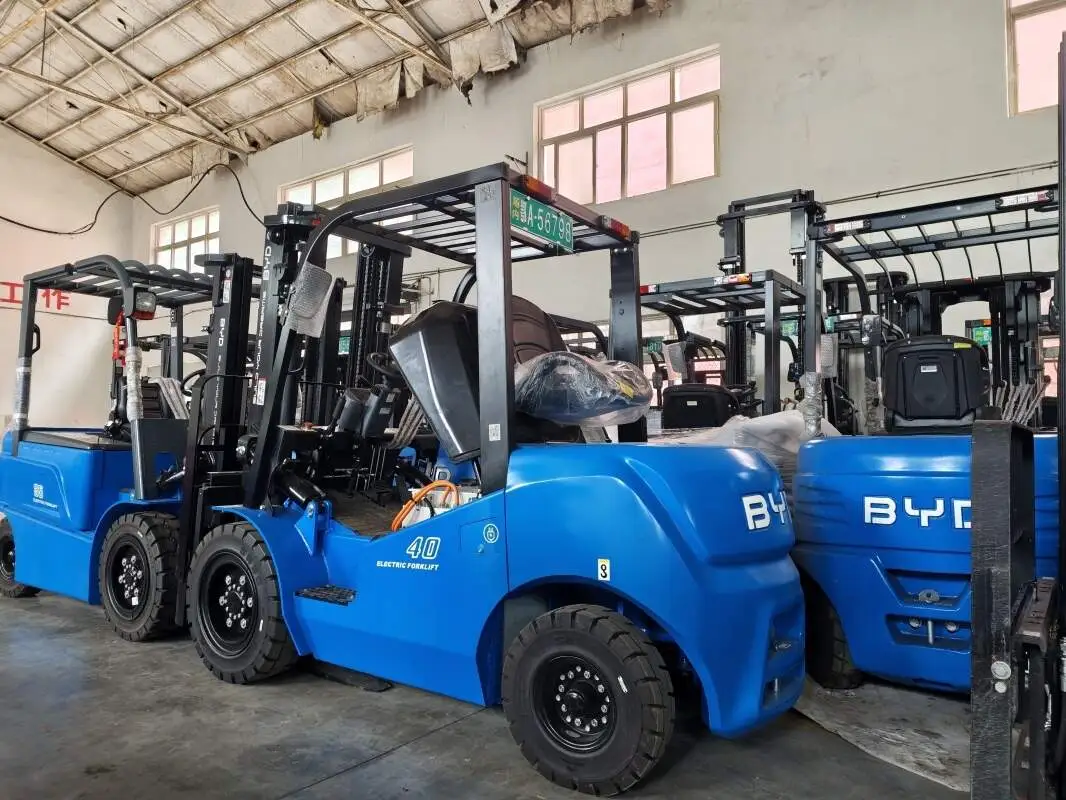
Regular periodic inspections are critical for maintaining forklift safety, operational efficiency, and compliance with workplace safety regulations. Neglecting scheduled checks can lead to equipment failures, workplace accidents, and costly downtime. Below are the recommended intervals for different types of forklift equipment inspection procedures, tailored to address varying levels of wear and tear on key components.
Daily Pre-Operation Inspections
Every forklift should undergo a quick pre-operation inspection before each shift or use. This 5-10 minute check focuses on visible components that directly impact immediate safety. Operators should inspect the braking system to ensure responsiveness, check tire pressure and condition for signs of wear or damage, and verify that hydraulic controls function smoothly. Additionally, inspecting safety features like seat belts, horn, and lights ensures the forklift is ready for safe operation in various work environments. Catching minor issues like a worn brake pad or low tire pressure early prevents them from escalating into major hazards during operation.
Weekly Inspections
Weekly inspections dive deeper into components that may show gradual wear over several days of use. Operators or maintenance staff should check the load chains for signs of rust, stretching, or damage, as compromised chains can lead to load instability and accidents. For electric forklifts, inspecting battery connections for tightness and corrosion is essential to avoid unexpected power loss. Additionally, checking the steering system for any play or stiffness, and verifying hydraulic fluid levels to prevent leaks, helps maintain consistent operational performance. Weekly checks also include examining the forks for bending or cracking, ensuring they can safely support rated loads.
Monthly Inspections
Monthly inspections focus on components that require more detailed assessment to identify hidden wear. Maintenance teams should inspect brake pads and rotors for thickness and wear, replacing them if they fall below recommended thresholds. For hydraulic systems, checking hoses and fittings for cracks, leaks, or bulges prevents sudden hydraulic failure. Electric forklifts need a check of battery electrolyte levels (for lead-acid batteries) and terminal cleanliness to extend battery lifespan. Additionally, testing all lighting systems (including headlights, taillights, and turn signals) ensures visibility in low-light conditions, and inspecting the mast for any structural damage maintains lifting safety.
Annual Comprehensive Inspections
An annual comprehensive inspection should be conducted by a qualified professional to ensure full compliance with local safety standards and regulations. This inspection includes a thorough assessment of the forklift’s structural integrity, checking for cracks or deformation in the frame and mast. Professional technicians will perform brake performance tests, hydraulic system pressure checks, and electrical system diagnostics to identify hidden issues that routine inspections may miss. They will also verify that all safety features meet current standards, and provide a detailed report of any necessary repairs or replacements. Annual inspections not only ensure safety but also help extend the overall lifespan of the forklift by addressing underlying issues before they cause major damage.
Adhering to these recommended inspection intervals is not just a best practice—it is a crucial step in protecting operators, reducing workplace risks, and optimizing forklift performance. Keeping detailed records of all inspections and repairs helps track equipment health over time, ensuring that no critical check is missed. By prioritizing regular inspections, businesses can minimize downtime, avoid costly repairs, and maintain a safe and efficient material handling operation.