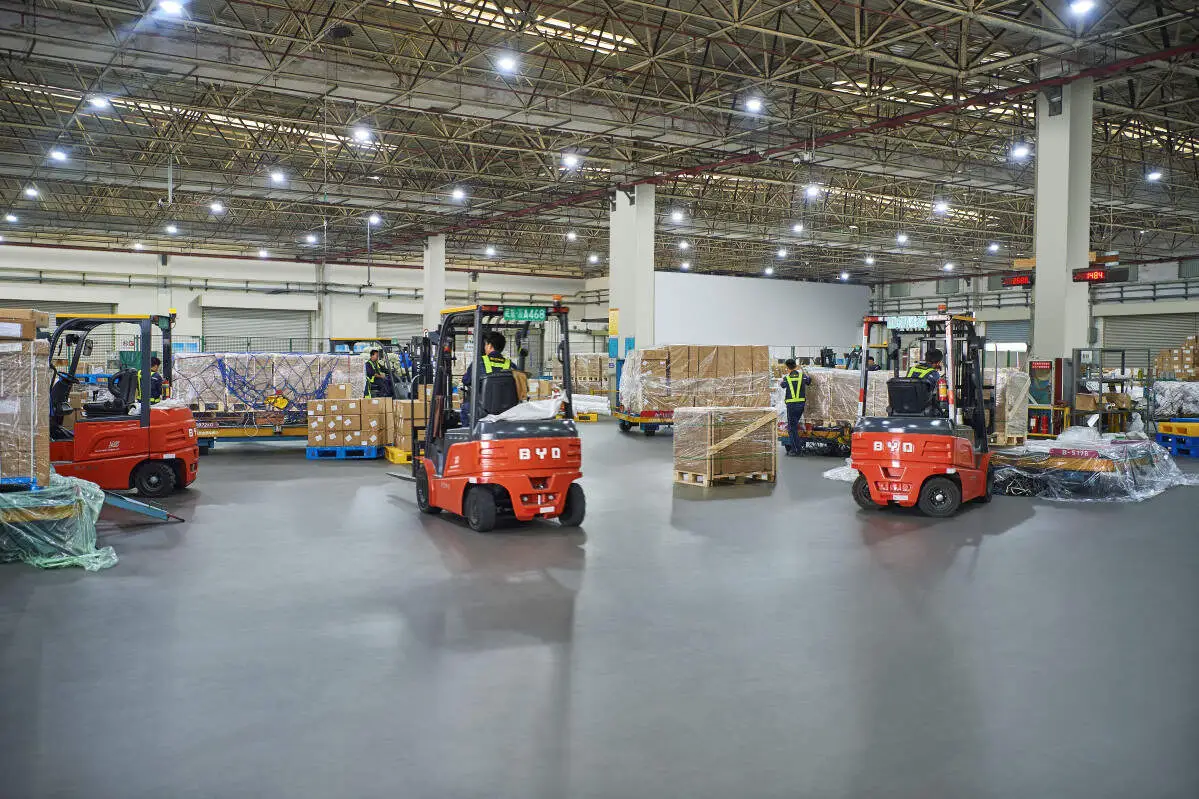
electric forklift chains play a critical role in lifting and transporting loads, making their proper maintenance essential for operational safety and efficiency. Neglecting chain care can lead to increased wear, reduced load capacity, and unexpected downtime—all of which impact productivity and operational costs. Choosing the right lubricants and following standardized maintenance practices are key to preserving chain integrity over time.
When selecting lubricants for forklift chains, consider operating conditions and chain specifications. Mineral-based lubricants are a cost-effective choice for indoor forklifts operating in moderate temperatures and light to medium load conditions. They offer adequate protection against friction and corrosion, making them suitable for routine use in controlled environments. For forklifts exposed to extreme temperatures, heavy loads, or outdoor conditions, synthetic-based lubricants are preferable. These formulas exhibit superior thermal stability, resistance to oxidation, and better performance in cold or hot climates, ensuring consistent protection even under harsh operating stresses. Additionally, lubricants with extreme pressure (EP) additives are recommended for high-load applications, as they form a protective barrier that prevents metal-to-metal contact and reduces wear on chain components.
Proper maintenance practices complement the right lubricant choice to maximize chain lifespan. Start by regularly cleaning the chain to remove dirt, debris, and old lubricant buildup. Use a mild, non-corrosive cleaner and a soft brush to gently scrub chain links, avoiding high-pressure water which can damage seals and push contaminants into chain joints. After cleaning, allow the chain to dry completely before applying fresh lubricant.
Next, inspect the chain for signs of wear, such as stretched links, cracked components, or excessive looseness. Adjust chain tension according to manufacturer guidelines to ensure optimal performance—too tight a chain can cause unnecessary stress on sprockets and bearings, while too slack a chain may slip or jump during operation.
Lubrication should be performed at regular intervals, typically based on operating hours or usage frequency. Apply lubricant evenly to all chain joints, focusing on the pins and bushings where friction occurs most. Avoid over-lubrication, as excess lubricant can attract dust and debris, leading to accelerated wear. Instead, use a precision applicator to deliver a thin, consistent coating.
Finally, establish a routine monitoring schedule to track chain condition and maintenance history. Document lubrication dates, inspection findings, and any adjustments made. This helps identify patterns of wear and allows for proactive maintenance, reducing the risk of unexpected failures.
By selecting appropriate lubricants and adhering to these best practices, operators can extend the service life of electric forklift chains, minimize downtime, and ensure safe, efficient operation in any working environment.