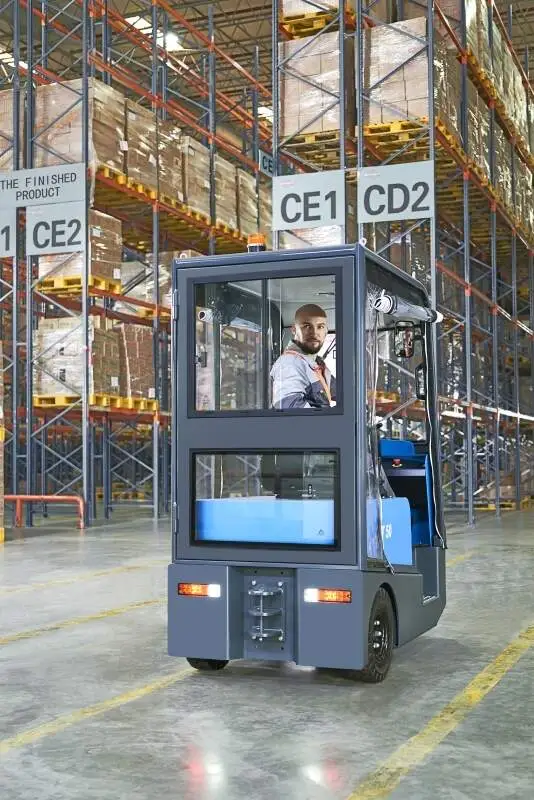
When it comes to electric forklift operations, selecting the right fork length is critical for ensuring safety, efficiency, and optimal load handling. Using incorrect fork lengths can lead to unstable loads, increased accident risks, and reduced operational performance. Understanding standard fork length reference data across various electric forklift models helps operators, fleet managers, and equipment buyers make informed decisions tailored to their specific needs.
For light-duty electric forklifts, typically designed for loads up to 1 ton, standard fork lengths often range from 48 inches to 60 inches. These compact models are commonly used in narrow warehouse aisles, retail storage areas, and small-scale distribution centers where maneuverability is a top priority. Shorter forks enhance agility in tight spaces while still providing sufficient support for lighter pallets and small loads, ensuring operators can navigate confined areas without sacrificing load stability.
Mid-range electric forklifts, with load capacities between 2 tons and 3 tons, feature standard fork lengths that usually fall between 60 inches and 72 inches. This length strikes a balance between maneuverability and load stability, making these forklifts suitable for a wide range of applications, including medium-sized warehouses, manufacturing facilities, and cross-docking operations. The extended length allows for handling standard pallets and larger loads without compromising navigation in moderately sized spaces, supporting smooth workflow and consistent productivity.
Heavy-duty electric forklifts, built to handle loads of 4 tons or more, come with standard fork lengths ranging from 72 inches to 96 inches. These robust models are deployed in large-scale industrial settings, such as port terminals, construction sites, and heavy manufacturing plants, where handling bulky, heavy loads is routine. Longer forks distribute the weight of heavy loads more evenly, reducing stress on the forklift’s frame and ensuring safe transport across expansive work areas, minimizing the risk of load shifts or equipment strain.
It’s important to note that standard fork lengths can vary slightly depending on additional factors, such as the type of load being handled, the height of storage racks, and the specific operational requirements of a facility. For example, if a warehouse uses extra-wide pallets, operators may need to opt for longer forks than the base standard to ensure full support. Similarly, forklifts used in high-rack storage might benefit from forks that align with rack depth to facilitate safe loading and unloading at elevated heights.
When referencing standard fork length data, it’s crucial to consult the forklift’s operational manual for model-specific recommendations. Additionally, regular inspections of fork condition and length compatibility with loads are essential for maintaining a safe work environment. By aligning fork length with both the forklift’s capacity and the demands of the task at hand, businesses can improve operational efficiency, reduce the risk of equipment damage, and enhance workplace safety for all personnel.