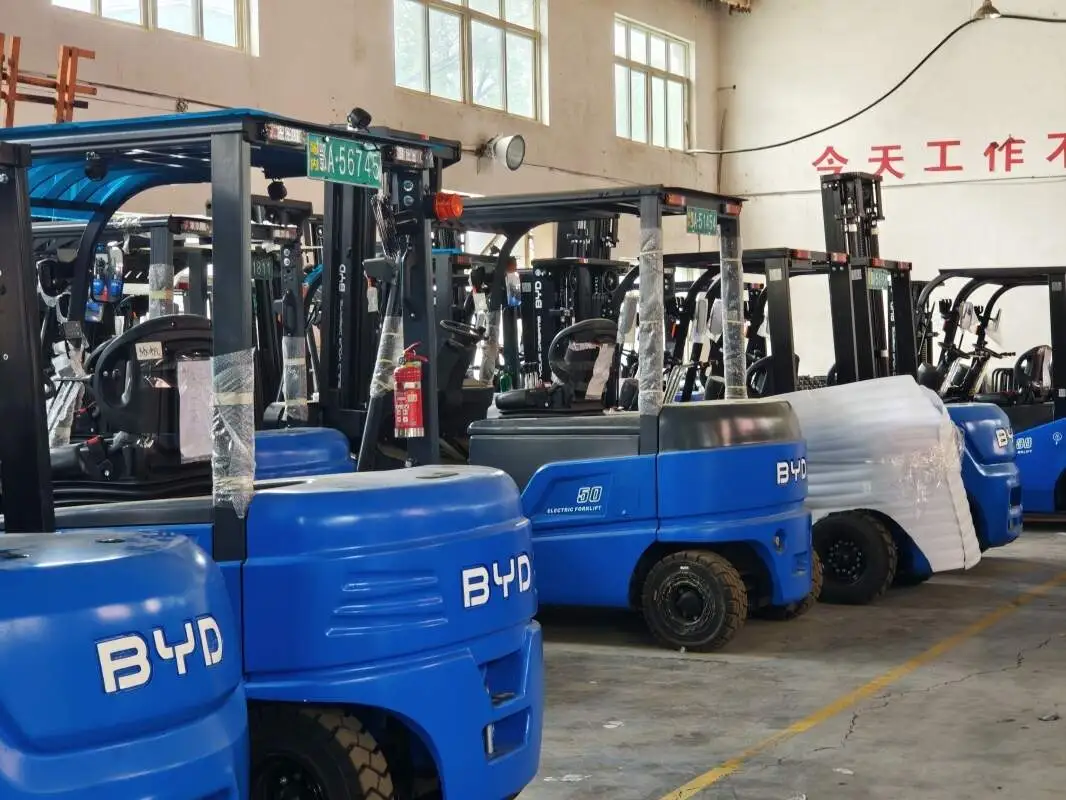
Forks are core load-bearing components of electric forklifts, directly linked to operational safety, handling efficiency and long-term equipment service life. Selecting appropriate fork thickness follows systematic, industry-recognized reference standards to avoid safety risks, component deformation or premature wear in daily operations.
The first core reference standard is rated load capacity matching. Every forklift has a clearly defined rated load capacity for safe lifting at a standard load center. Fork thickness must correspond to this parameter: overly thin forks mismatched to the rated load will bear excessive stress when lifting cargo, leading to bending, fracture or sudden load drop. When confirming thickness, staff should cross-check fork material load-bearing performance, ensuring its strength can sufficiently support the maximum rated load without structural failure under working conditions.
The second key reference is wear assessment benchmarks. During long-term use, fork surfaces develop wear from friction with pallets, cargo edges and occasional ground contact, reducing effective fork thickness. Universal industry safety guidelines note that when a fork’s measured thickness wears to 90% of its original design value, it requires replacement or professional load re-evaluation. For sites with high operation frequency and hard cargo friction, appropriately increased fork thickness within the allowable installation range can extend service life.
The third important reference is working scenario adaptation. For sites handling high-density rigid goods or operating on rough outdoor ground, forks need sufficient thickness to resist impact and vibration. For indoor warehousing with light, standardized pallet goods, standard-thickness forks matching the rated load adequately meet needs, avoiding extra energy consumption from overly thick forks that reduce available load capacity.
All thickness selections must align with general industrial safety compliance requirements for powered industrial trucks, ensuring forks match the forklift’s installation interface and perform stably through routine maintenance. Following these standards helps teams balance safety, cost and efficiency, reducing avoidable incidents in daily material handling work.