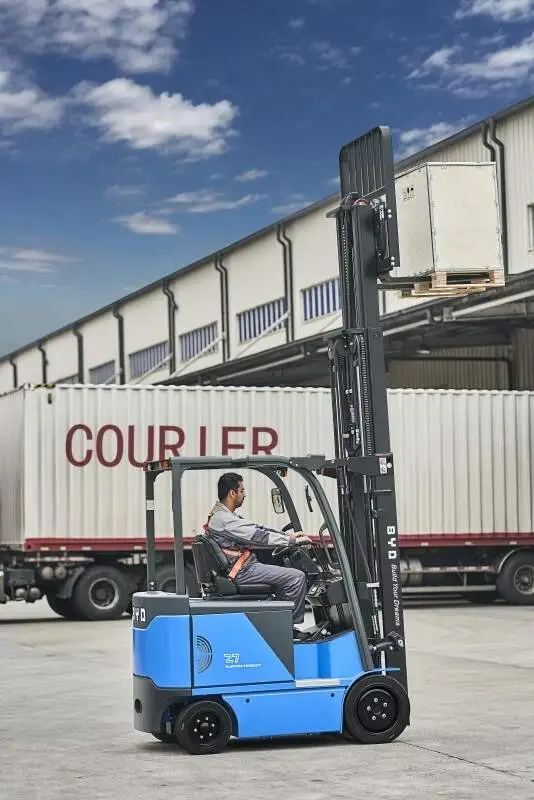
A load backrest is a critical protective component installed on forklift masts (including electric forklift models), designed to prevent carried loads from shifting backward toward the operator compartment during lifting, transport, and stacking tasks. As a core forklift safety part, it follows consistent industry safety specifications to reduce workplace incident risks in warehouses, manufacturing yards, and logistics sites.
First, structural performance specifications set clear design requirements for load backrests. The component must match the rated load capacity of its host forklift, with sufficient rigidity to withstand backward impact from shifting loads during normal operation. Its mounting points must form a stable connection to the forklift mast, with no loose movable fittings. The height and frame design must cover the typical rear slip path of standard unit loads, while maintaining clear visibility for operators to observe surrounding work areas. All exposed edges require smooth finishing to avoid cut or scrape risks during maintenance and operation.
Second, regular inspection and proper use specifications guide daily operation practices. Operators must inspect the load backrest during pre-shift checks, looking for cracks, deformation, or loose fasteners affecting performance. Any identified damage requires immediate removal of the forklift from service until repairs are complete. Load backrests do not replace dedicated load securement tools; when handling irregular, tall, or unbalanced loads, operators must use appropriate securement measures alongside the backrest. Unauthorized structural modification is not permitted, as changes can weaken structural integrity.
Third, site management specifications require supervisors to include load backrest checks in routine maintenance, with inspection frequency aligned to equipment usage intensity. Operators receive training to understand backrest function limits, recognize common defects, and follow standard procedures for safe material handling.