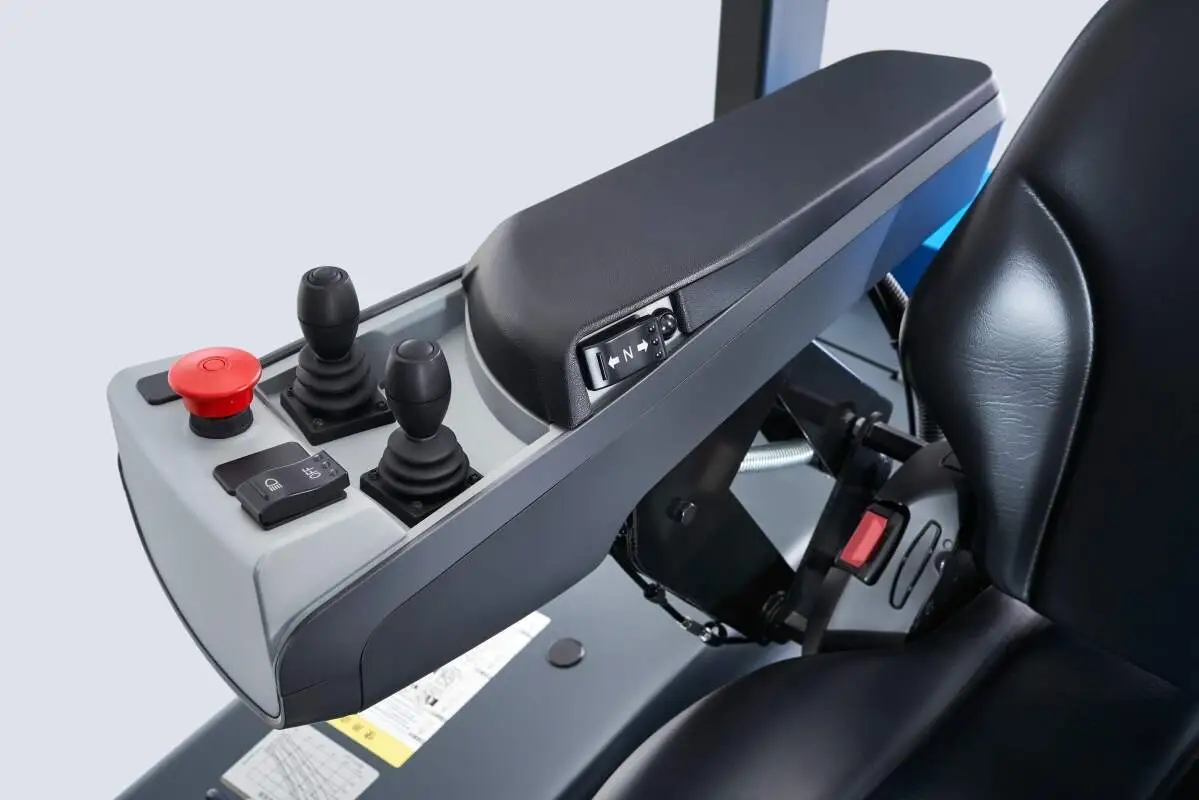
electric forklifts are indispensable workhorses in warehouses, distribution centers, and manufacturing facilities, handling heavy loads to keep operations running smoothly. However, like any industrial equipment, their performance and service lifespan depend heavily on consistent, structured regular maintenance. A well-planned maintenance schedule not only prevents unexpected breakdowns but also ensures optimal efficiency, reduces operational costs, and extends the overall lifespan of your electric forklift.
Daily pre-use inspections are the first line of defense against potential issues. Before operating the forklift, operators should conduct a visual check of the exterior, looking for any signs of damage to the body, forks, or mast. Next, inspect the tires for proper inflation, cracks, or excessive wear, as underinflated or worn tires can compromise stability and lead to costly repairs. Check the battery terminals for corrosion and ensure the battery is properly charged; loose or corroded terminals can cause power interruptions and shorten battery life. Finally, test the steering, brakes, and lift controls to confirm they respond smoothly—any unusual noises or delayed responses should be reported immediately for further inspection.
Monthly maintenance focuses on deeper checks to catch issues before they escalate. Start with a comprehensive battery inspection: clean the terminals with a wire brush if corrosion is present, and check the electrolyte levels (for flooded batteries) to ensure they are within the recommended range. Inspect the hydraulic fluid level and condition; low or contaminated fluid can cause the lift system to operate sluggishly. Test the brake system thoroughly, including checking brake pad thickness and ensuring the brake fluid is at the correct level. Lubricate all pivot points on the mast and forks to reduce friction and prevent premature wear.
Quarterly servicing involves more detailed inspections of critical components. Examine the drive chain and lift chain for signs of wear, stretching, or damage, and lubricate them according to standard guidelines—avoid over-lubrication, which can attract dirt and debris. Inspect all electrical connections, including wiring harnesses, for fraying or loose connections that could lead to electrical failures. Check the mast rollers and bearings for smooth operation, and replace any worn parts as needed. Additionally, calibrate the forklift’s weight sensors to ensure accurate load handling, which prevents overloading and strain on the lift system.
An annual comprehensive overhaul is essential for long-term lifespan extension. This service should be performed by a qualified technician who will inspect key components, such as the motor, transmission, and hydraulic pump, for internal wear. Replace any worn seals, gaskets, or bearings to prevent leaks and ensure efficient operation. Test the battery’s capacity to determine if it needs replacement or reconditioning. Calibrate all safety systems, including the horn, backup alarm, and seatbelt sensor, to ensure they function correctly. Finally, conduct a full performance test to verify that the forklift operates at peak efficiency.
Following a structured regular maintenance schedule is an investment in the longevity of your electric forklift. By prioritizing daily, monthly, quarterly, and annual maintenance tasks, you can minimize unexpected downtime, reduce repair costs, and ensure the forklift remains a reliable asset for years to come. Proactive maintenance is always more cost-effective than reactive repairs, and it helps maintain a safe working environment for all operators.