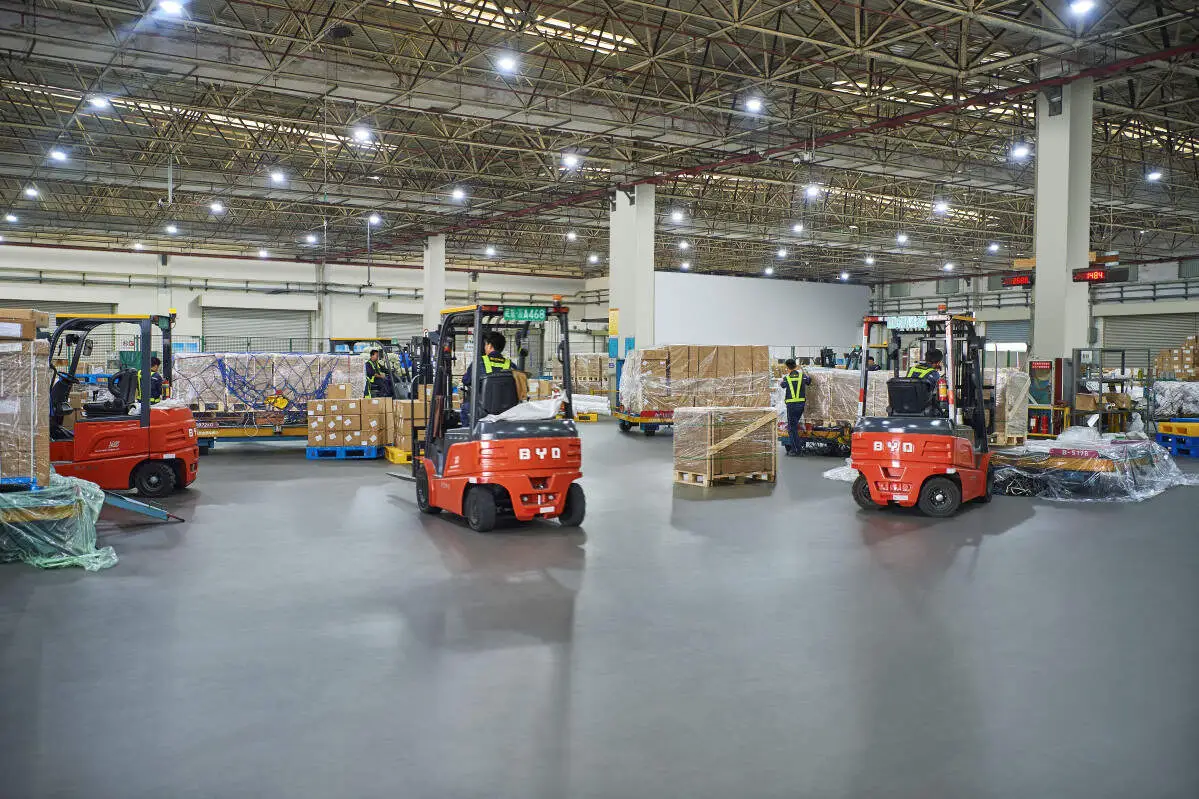
Omnidirectional forklifts offer unparalleled maneuverability in tight warehouse spaces, making them invaluable for efficient material handling. However, their unique design requires operators to adhere to strict safety protocols to minimize accident risks. Below are essential safety operation reminders every omnidirectional forklift operator should follow.
Before starting any shift, conduct a thorough pre-use inspection to identify potential issues. Check the braking system for responsiveness—test both foot and hand brakes to ensure they engage smoothly. Inspect tires for proper inflation and signs of wear, as compromised tires can affect stability during turns. Verify that all control systems, including steering and lift mechanisms, operate without delays or unusual noises. Don’t overlook safety features like horn, warning lights, and backup alarms; confirm they are fully functional to alert pedestrians and nearby workers.
Proper load handling is critical to preventing tip-overs and cargo damage. Always check the load’s weight against the forklift’s rated capacity—never exceed the maximum load limit, even for short distances. Position the forks evenly under the load, ensuring they extend fully into the pallet to distribute weight evenly. Tilt the mast slightly backward to secure the load before moving, and avoid sudden stops or turns that could shift the cargo’s center of gravity. When lifting loads, keep them as low as possible during travel to maintain stability, and never raise loads while driving on uneven surfaces.
Omnidirectional forklifts can move forward, backward, and sideways, but this flexibility demands careful maneuvering. Reduce speed in narrow aisles or crowded areas to maintain control and allow time to react to unexpected obstacles. Be mindful of blind spots—use mirrors and turn your head to check surroundings before changing direction. Avoid sharp turns at high speeds, as this can cause the forklift to tip or the load to shift. When operating near elevated platforms or racks, maintain a safe distance to prevent collisions with overhead structures.
Stay vigilant of your surroundings at all times. Keep an eye out for pedestrians, especially in areas with high foot traffic, and yield the right of way when necessary. Communicate with co-workers using hand signals or radio devices to coordinate movements, particularly during load transfer operations. Be aware of floor conditions—wet or slippery surfaces can reduce traction, so adjust your speed accordingly. Avoid operating the forklift near loose debris or uneven flooring that could compromise stability.
After completing your tasks, follow proper post-operation steps to ensure the forklift is safe for the next user. Park the forklift in a designated area, engage the parking brake, and lower the forks to the ground. Turn off the engine, remove the key, and disconnect any power sources if applicable. Conduct a quick visual check for any damage or leaks that may have occurred during operation, and report any issues to your supervisor immediately.
By following these safety operation reminders, omnidirectional forklift operators can create a safer work environment for themselves and their colleagues. Consistent adherence to these protocols not only prevents accidents but also enhances operational efficiency by minimizing downtime due to injuries or equipment damage. Always prioritize safety in every task, and never hesitate to ask for additional training if you’re unsure about any procedure.