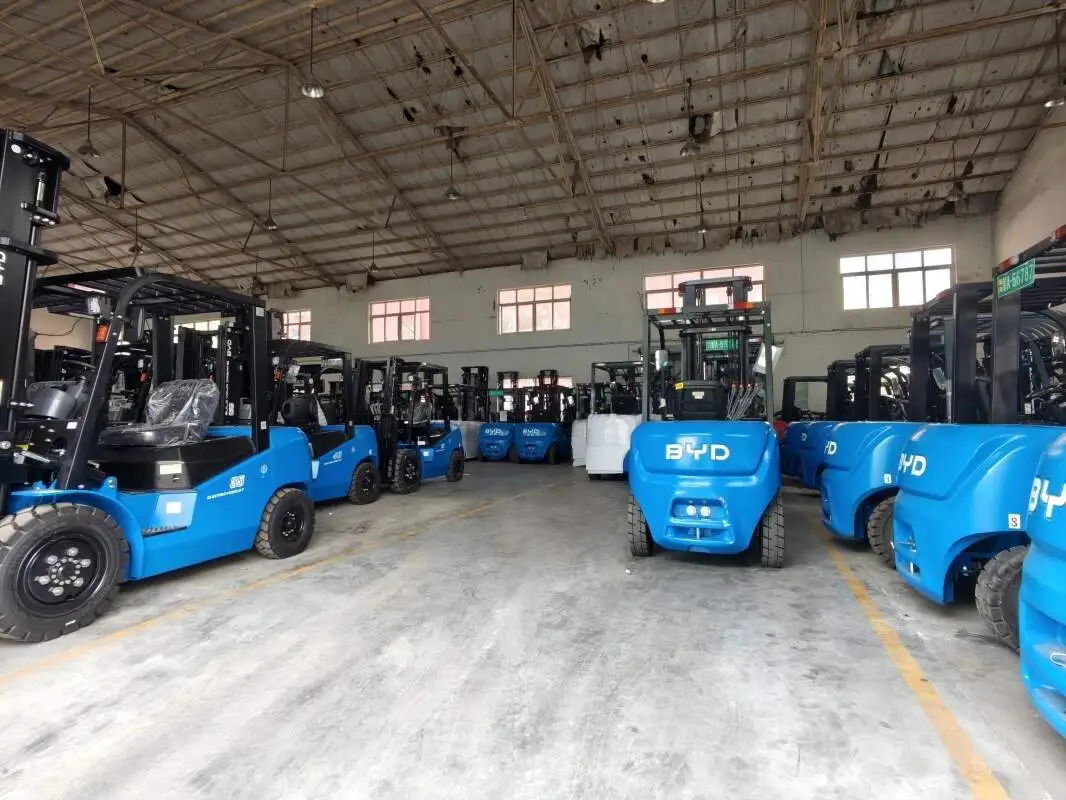
forklift attachments, from side shifters to clamp attachments, extend the versatility of industrial forklifts, but their safe integration relies on strict certification compliance. Regulatory bodies worldwide have established detailed regulations for forklift attachment certification to mitigate risks, protect workers, and ensure operational safety. Understanding these requirements is critical for forklift operators, fleet managers, and facility owners alike.
At the core of forklift attachment certification are national and international standards set by regulatory agencies. These standards define technical specifications, performance criteria, and testing protocols that attachments must meet before being used in industrial settings. Requirements cover load capacity ratings, structural integrity, compatibility with specific forklift models, and safety features like fail-safe mechanisms. Certification ensures that attachments are designed and manufactured to withstand the stresses of daily operation without compromising stability or operator safety.
The certification process typically involves several key steps. First, manufacturers must submit detailed design documents, including engineering drawings and material specifications, for review by a certified third-party body. This review assesses whether the attachment meets structural and safety standards. Next, prototype testing is conducted to validate performance under real-world conditions, such as load-bearing tests, durability trials, and compatibility checks with target forklift types. Once testing is successfully completed, the manufacturer receives a certification document that verifies compliance. Facilities using these attachments must retain copies of this documentation for audit purposes.
Compliance does not end with initial certification. Regulatory requirements mandate regular inspections and re-certification intervals to ensure attachments remain safe for use. Over time, wear and tear, modifications, or changes in operational conditions can affect an attachment’s performance. Periodic inspections, conducted by qualified professionals, check for structural damage, functional defects, and alignment with original specifications. If modifications are made to an attachment, a re-certification process is necessary to confirm that the changes do not compromise safety or compliance.
Fleet managers and facility owners play a crucial role in upholding certification requirements. They must ensure that all attachments used in their operations are properly certified, and that operators receive training on the safe use of certified attachments. Operators should be aware of load limits, attachment-specific operating procedures, and signs of wear that could indicate a need for inspection. Failure to adhere to certification regulations can result in fines, workplace incidents, and operational disruptions.
In conclusion, forklift attachment certification requirements are a cornerstone of industrial safety. By adhering to these regulations, organizations can reduce the risk of accidents, ensure compliance with legal standards, and extend the lifespan of their forklift attachments. Staying informed about evolving regulatory updates and maintaining strict adherence to certification processes is essential for creating a safe and efficient work environment.