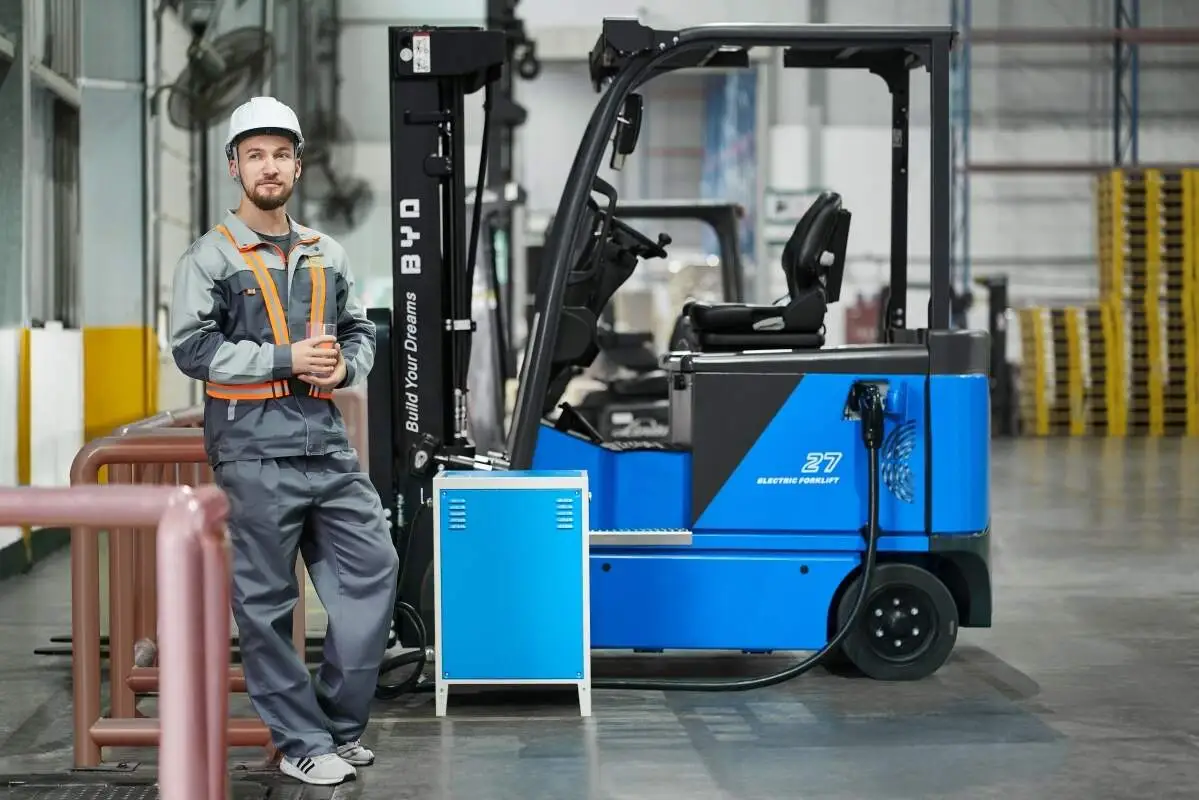
forklift batteries are the backbone of electric forklift operations, but over time, they can accumulate contaminants like dirt, electrolyte residue, and corrosion. These contaminants don’t just look unsightly—they can hinder electrical connections, accelerate battery degradation, and pose safety risks to workers. Proper cleaning is essential to preserve battery lifespan, maintain optimal performance, and ensure a safe working environment. Below are proven, safe methods for cleaning contaminated forklift batteries.
First, prioritize safety preparations before starting any cleaning task. Contaminated batteries often involve acidic electrolyte residue, so always wear protective gear including chemical-resistant gloves, safety goggles, and a lab coat to prevent skin and eye irritation. Work in a well-ventilated area to avoid inhaling fumes from acidic substances. Additionally, disconnect the battery’s negative terminal first, followed by the positive terminal, to eliminate the risk of electrical shock or short circuits.
Next, tackle surface contamination. Begin by removing loose dirt and debris using a dry brush or compressed air; this prevents scratching the battery casing when wet cleaning. Prepare a mild cleaning solution using baking soda and warm water—baking soda neutralizes acidic electrolyte residue without damaging the battery. Dip a soft cloth or sponge into the solution and gently wipe down the entire battery surface, taking care to avoid letting excess liquid seep into the battery’s cell vents. After wiping, rinse the surface with clean water and dry it thoroughly with a lint-free cloth to prevent moisture-related corrosion.
For corroded battery terminals, a targeted cleaning approach is necessary. Corrosion on terminals can disrupt electrical flow, leading to poor forklift performance. Use a wire brush or a specialized terminal cleaning tool to scrub away visible corrosion from the terminals and cable ends. Once loose corrosion is removed, apply the baking soda solution to the terminals, let it sit for a few minutes to neutralize any remaining acid, then rinse with clean water and dry completely. To prevent future corrosion, apply a thin layer of petroleum jelly or anti-corrosion spray to the terminals after cleaning.
In cases of electrolyte spills, act quickly to minimize damage. Start by absorbing the spilled electrolyte with an inert absorbent material like sand or kitty litter—never use paper towels, as they can spread the acid. Once the spill is absorbed, sprinkle baking soda over the area to neutralize the acid, then scrub gently with a brush. Rinse the area thoroughly with clean water and dry it completely to ensure no acidic residue remains.
Finally, establish a regular maintenance routine to prevent excessive contamination. Schedule monthly visual inspections to check for early signs of dirt buildup or corrosion, and conduct full cleanings every three to six months depending on operating conditions. After cleaning, always check the battery’s electrolyte levels and top them up with distilled water if necessary, following general industry guidelines. By incorporating these cleaning methods into your routine, you can extend your forklift battery’s lifespan, reduce operational costs, and keep your workplace safe.