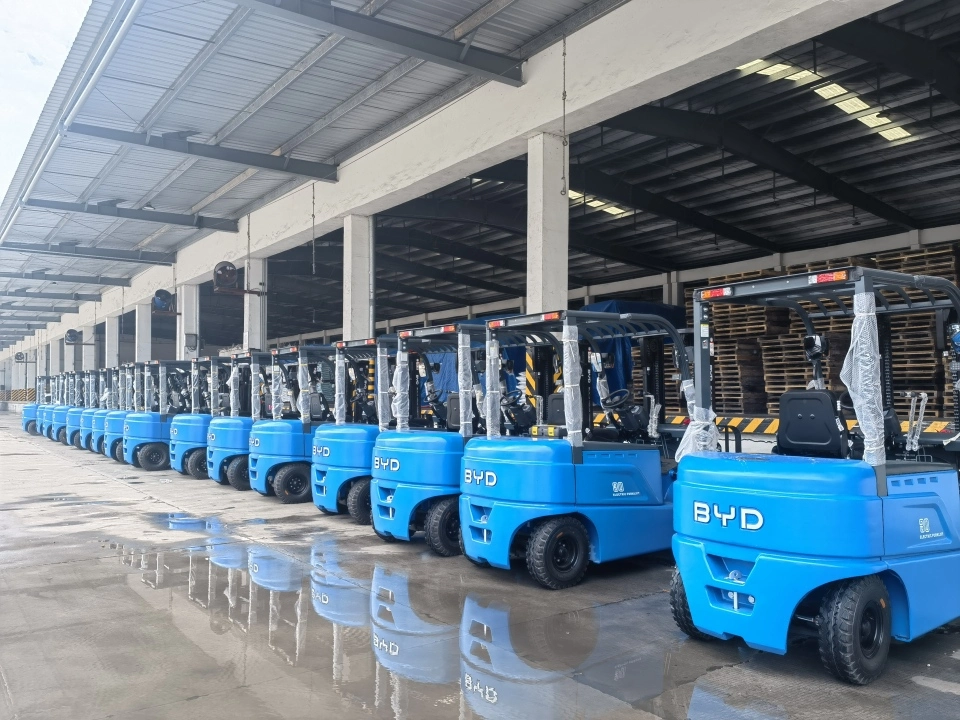
forklift backup alarms are a critical component of site safety, particularly in busy warehouses, construction yards, and industrial facilities where visibility can be limited. A malfunctioning alarm increases the risk of collisions between forklifts, personnel, and stationary equipment, making timely replacement essential to uphold safety standards and protect both workers and assets.
Before initiating any replacement work, start with a pre-inspection to confirm the alarm is indeed faulty. Begin by testing the alarm: turn on the forklift, engage reverse gear, and listen for a consistent, audible sound. If the alarm is silent, emits intermittent noise, or has a weakened volume, first check the wiring connections to rule out loose or damaged wires. Always ensure the forklift is parked on a flat, stable surface, turned off, and the emergency brake is engaged to prevent accidental movement during the process.
When removing the old alarm, start by disconnecting the power source to avoid electrical hazards. This can be done by removing the corresponding fuse from the forklift’s fuse box or disconnecting the battery terminals. Locate the alarm, typically mounted on the rear exterior of the forklift, and use appropriate tools to loosen the mounting screws or bolts. Gently detach the alarm from its bracket, then carefully disconnect the wiring harness. Take note of the wire terminal connections (e.g., which wire connects to positive or negative) to ensure correct reattachment with the new alarm.
Selecting the right replacement alarm is crucial for optimal performance. Choose an alarm that complies with local occupational safety regulations and matches your forklift’s electrical voltage specifications. The alarm should have a decibel level suitable for your site: loud enough to be heard over background noise from machinery or activity, but not so loud that it contributes to excessive noise pollution. Avoid using incompatible alarms, as they may fail to function properly or damage the forklift’s electrical system.
To install the new alarm, attach it to the existing mounting bracket and secure it tightly with screws or bolts. Reconnect the wiring harness according to the notes taken during removal, ensuring each wire is connected to the correct terminal. Double-check all connections to eliminate the risk of loose wires that could cause future malfunctions. Once connections are secure, reconnect the power source by reinserting the fuse or reattaching the battery terminals.
After installation, conduct thorough testing to verify the alarm’s functionality. Turn on the forklift, engage reverse gear, and listen for a clear, consistent sound. Walk around the forklift from different angles to confirm the alarm is audible from all directions, ensuring it can alert nearby personnel effectively. Additionally, test the alarm in various site conditions, such as near operating machinery or in high-traffic areas, to confirm it cuts through background noise.
Regular maintenance and prompt replacement of faulty backup alarms are key to sustaining a safe work environment. By following this structured replacement guidance, you can ensure your forklift remains compliant with safety regulations, reduce the likelihood of workplace accidents, and create a safer space for all personnel. Remember to document all replacement activities for future reference and adhere to manufacturer guidelines for ongoing care of your forklift’s safety components.