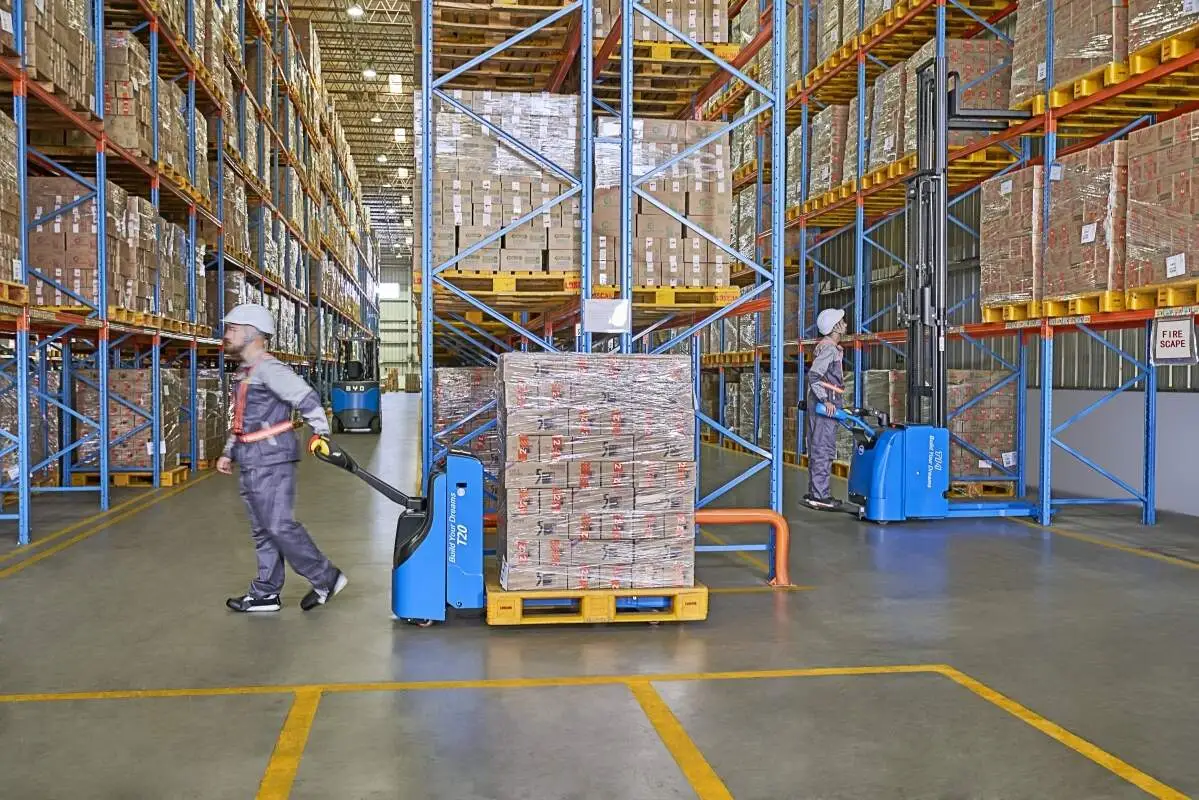
The global market for electric forklifts has witnessed steady growth in recent years, driven by rising demand for sustainable industrial equipment, stricter emissions regulations, and advancements in battery technology. As businesses across logistics, manufacturing, and warehousing sectors prioritize eco-friendly operations, understanding the main types of electric forklift brands available becomes crucial for making informed procurement decisions.
One category of brands focuses on high-end, technologically advanced electric forklifts. These brands invest heavily in research and development to integrate cutting-edge features such as lithium-ion battery systems with extended lifespan, intelligent fleet management software, and automated navigation capabilities. Their products are designed to handle heavy-duty operations in complex environments, offering enhanced efficiency and reduced downtime. While they often come with a higher price point, their reliability and advanced functionalities make them suitable for large-scale enterprises with demanding operational needs.
Another segment comprises brands that prioritize cost-effectiveness without compromising on basic performance. These brands target small and medium-sized businesses, offering electric forklifts with robust build quality, standard battery systems, and essential safety features. They focus on delivering reliable solutions for routine material handling tasks, such as loading/unloading goods in warehouses or distribution centers. Competitive pricing and accessible maintenance services are key strengths of these brands, making them a popular choice for businesses operating on tighter budgets.
There are also brands that specialize in niche applications. These brands tailor their electric forklifts to meet specific industry requirements, such as cold storage facilities where temperature resistance is critical, or narrow-aisle warehouses where maneuverability is essential. Their products often include customized components, such as insulated cabins or compact frames, to optimize performance in unique working conditions. By focusing on niche markets, these brands can provide targeted solutions that address unmet needs in specialized sectors.
Looking ahead, the global electric forklift market is expected to continue evolving, with trends like increased integration of IoT technology for real-time monitoring, further improvements in battery charging speed and energy density, and a growing emphasis on circular economy practices, such as battery recycling. Businesses considering electric forklift investments should evaluate their operational requirements, budget constraints, and long-term sustainability goals to select the most suitable brand and product type.