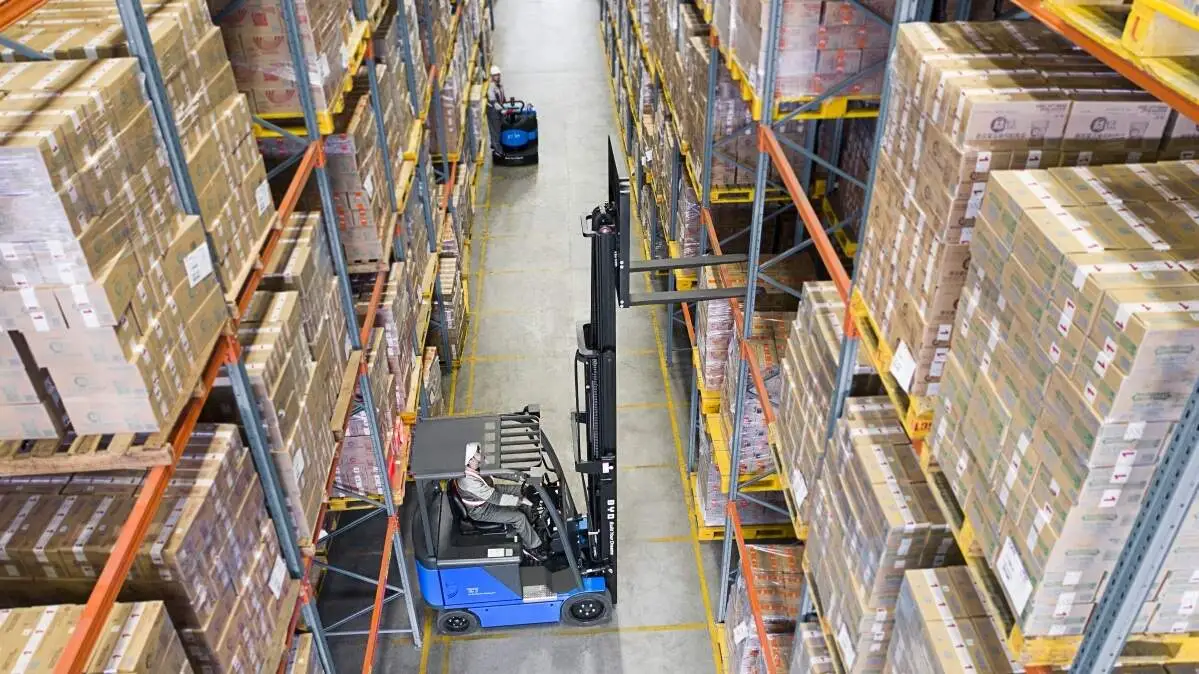
When operating an electric forklift at work, encountering an unusual rotten-egg smell from the battery is a warning sign that requires immediate attention. This distinct odor typically indicates the release of hydrogen sulfide gas, a toxic and potentially explosive substance produced by overcharging, electrolyte leakage, or internal battery damage. Ignoring this signal can lead to health risks for operators and long-term damage to the forklift battery system.
Hydrogen sulfide is a colorless gas that irritates the respiratory system, causing symptoms like headaches, dizziness, and nausea in low concentrations; in high levels, it can even be fatal. Additionally, the gas is flammable, posing explosion risks if exposed to ignition sources such as electrical sparks or open flames. Therefore, taking prompt and correct risk-handling measures is critical to ensure workplace safety and protect your equipment.
First, immediately stop operating the electric forklift and guide all personnel to move to a well-ventilated area away from the vehicle. Do not use any electrical devices or light flames near the battery, as these could trigger ignition. Open doors, windows or activate exhaust fans in the workspace to enhance air circulation and disperse the harmful gas quickly.
Next, avoid direct contact with the battery when identifying the root cause. Common triggers include overcharging due to faulty charging equipment, cracked battery casing leading to electrolyte leakage, or excessive sulfation of battery plates. For personal safety, never attempt to disassemble the battery on your own; instead, contact a trained maintenance professional to conduct a thorough inspection and diagnosis.
Once the cause is confirmed, follow targeted solutions. If overcharging is the issue, inspect the charging system for malfunctions and adjust the charging parameters to match the battery’s official specifications. For electrolyte leakage, the damaged battery components may need repair or complete replacement. Professionals will also neutralize any spilled electrolyte to prevent corrosion to the forklift and environmental harm.
To prevent future occurrences, implement regular maintenance routines for your electric forklift battery. Schedule monthly inspections to check for casing cracks, electrolyte level stability, and charging system performance. Ensure all operators receive training in proper charging procedures, such as avoiding overcharging and disconnecting the charger once the battery reaches full capacity. Store batteries in a cool, dry area with adequate ventilation to reduce the risk of gas buildup.
If you own a BYD electric forklift and encounter this or any other battery-related issue, Jianshu New Energy, a specialist in BYD electric forklifts, is here to assist. Our team of experienced technicians can provide professional inspection, maintenance, and repair services to keep your equipment running safely and efficiently. For inquiries, please contact us at 17399989919@163.com.