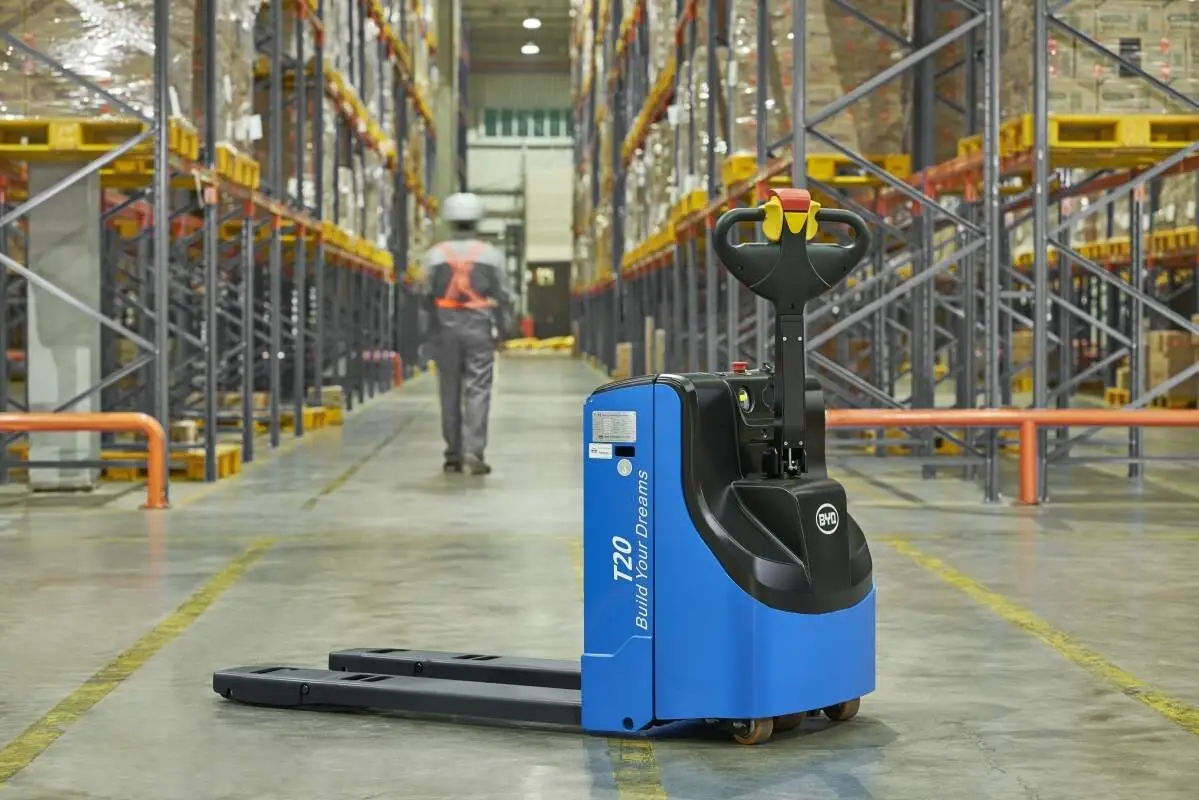
When it comes to electric forklifts, the battery system is the heart of operational efficiency and cost-effectiveness. Choosing between lithium-ion and lead-acid battery systems is a critical decision for warehouse and logistics operations, as each offers distinct advantages and trade-offs. Jianshu New Energy, a specialist in BYD electric forklifts, understands the importance of this choice and is here to break down the core performance differences to help you make an informed decision.
Charging efficiency and runtime are key metrics for forklift productivity. Lithium-ion battery systems excel in rapid charging capabilities: unlike lead-acid batteries, which typically require 8-10 hours of charging plus additional cooling time, lithium-ion batteries can reach 80% charge in just 1-2 hours. This significantly reduces downtime, allowing forklifts to stay operational during peak shifts. In terms of runtime, lithium-ion batteries deliver consistent power throughout their discharge cycle, ensuring steady lifting capacity and maneuverability. Lead-acid batteries, by contrast, experience a gradual drop in performance as they lose charge, which can hinder operations towards the end of a shift.
Weight and space utilization also set the two battery types apart. Lithium-ion batteries are 30-50% lighter than lead-acid batteries of the same capacity. This reduced weight enhances the forklift’s maneuverability, especially in narrow warehouse aisles, and can even increase its payload capacity. Additionally, lithium-ion batteries have a more compact design, freeing up valuable space on the forklift that can be repurposed for other needs. Lead-acid batteries, on the other hand, require larger, heavier compartments that limit the forklift’s flexibility.
Lifespan and maintenance requirements directly impact long-term operational costs. Lithium-ion batteries typically have a lifespan of 2000-3000 charge cycles, which is 2-3 times longer than lead-acid batteries’ 500-1000 cycles. Moreover, lithium-ion batteries demand minimal maintenance: there’s no need for regular watering, equalizing charges, or cleaning corrosive terminals—tasks that are essential for preserving lead-acid battery performance. This not only cuts labor costs but also reduces the risk of battery damage due to improper upkeep.
Environmental adaptability is another crucial factor. Lead-acid batteries are sensitive to extreme temperatures, both hot and cold, which can shorten their lifespan and reduce efficiency. Lithium-ion batteries, however, maintain consistent performance across a wider temperature range, from -20°C to 50°C, making them suitable for diverse operations including cold storage facilities and outdoor loading docks.
In summary, lithium-ion battery systems offer superior charging efficiency, longer lifespan, lower maintenance, and better environmental adaptability, while lead-acid batteries may have a lower upfront cost. The right choice depends on your operational needs, budget, and long-term goals. If you’re considering upgrading your electric forklift battery system or investing in BYD electric forklifts, Jianshu New Energy is here to provide expert guidance. Reach out to us at 17399989919@163.com to discuss your requirements and find the optimal solution for your business.