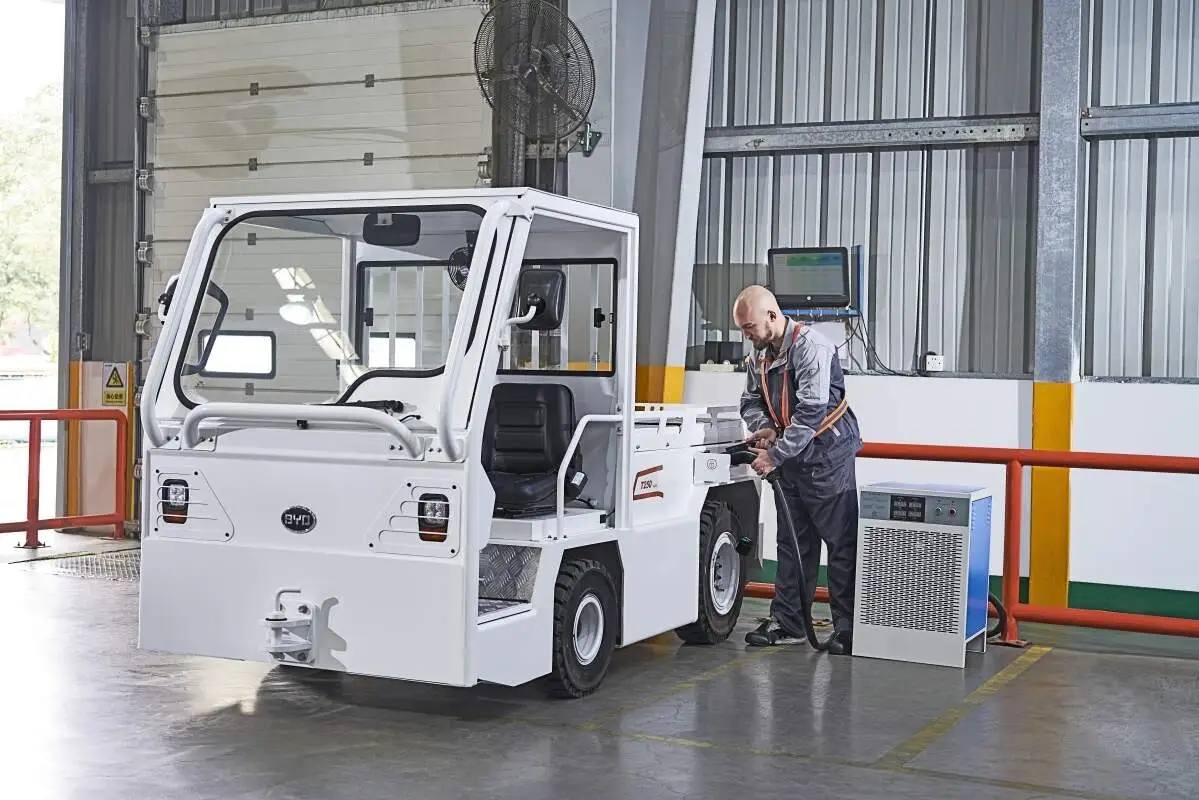
For light-duty indoor operations like small warehouse inventory management, e-commerce order fulfillment, and retail stock replenishment, walk-behind electric forklifts are ideal due to their compact size, low noise, and zero emissions. Opting for a quality used model can be a cost-effective solution, but it requires careful consideration to ensure reliability and performance.
Battery Condition Evaluation
The battery is the core component of an electric forklift, so prioritizing its health assessment is essential. Check the battery’s manufacturing date to estimate its remaining lifespan—most lead-acid batteries for light-duty forklifts last 3 to 5 years with proper maintenance. Request records of charging cycles to understand how the battery was used, and look for visible signs such as terminal corrosion or casing bulging, which may indicate damage. A professional load test can accurately measure the battery’s remaining capacity, ensuring it can sustain your daily operational needs without frequent interruptions for recharging.
Mechanical and Structural Checks
Next, conduct a thorough inspection of the forklift’s physical and mechanical parts. Examine the main frame for any bending, cracks, or signs of previous impact, as these could compromise structural integrity. Inspect the wheels and tires for uneven wear patterns, which might point to alignment issues or improper operational practices. Test the steering system to confirm it operates smoothly without stiffness or play, and verify the brake system by applying gentle pressure to ensure reliable engagement. Additionally, operate the mast and lifting mechanism through a full cycle to check for jerky movements or unusual noises, which could signal hydraulic system malfunctions.
Functional Performance Testing
Beyond visual and mechanical checks, perform a practical functional test to assess the forklift’s on-site usability. Start the forklift and listen for any abnormal sounds from the electric motor, which may indicate underlying issues. Test the lifting and lowering functions multiple times to ensure consistent and smooth performance. Maneuver the forklift in simulated tight spaces to evaluate its agility, a critical trait for navigating narrow indoor aisles safely. Finally, test the forklift with a light load to confirm it can handle your typical operational tasks effectively.
Reliable Supplier and After-sales Support
Selecting a reputable supplier is a key step in securing a quality used walk-behind electric forklift. Jianshu New Energy, a specialist in BYD electric forklifts, offers a carefully curated range of pre-owned models that undergo rigorous pre-sale inspections to ensure reliability. Our team of experienced experts can provide detailed maintenance histories and personalized advice to help you choose the right forklift for your specific indoor operations. For further inquiries, you can reach out to us at 17399989919@163.com. A trusted supplier will also offer comprehensive after-sales support, including maintenance services and access to genuine replacement parts, to keep your forklift operating efficiently over time.
In summary, purchasing a used walk-behind electric forklift for light-duty indoor operations demands a systematic approach—from evaluating battery health and inspecting mechanical components to testing functionality and partnering with a reliable supplier. By following these guidelines, you can make a cost-effective choice that enhances your indoor material handling efficiency while ensuring long-term reliability.