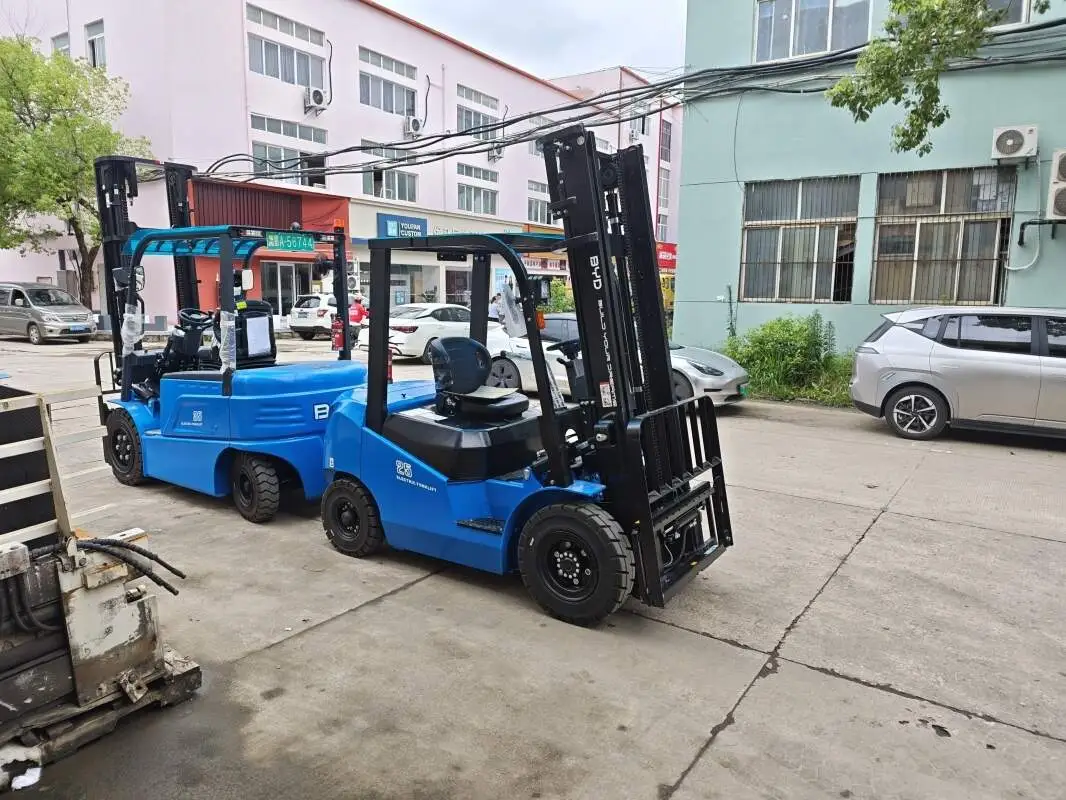
Warehouse forklifts are workhorses in material handling operations, but many older fleets lack critical safety features like Roll-Over Protective Structures (ROPS) and Falling Object Protective Structures (FOPS). As workplace safety regulations become more stringent, retrofitting these structures has emerged as a practical way to protect operators and meet compliance standards without investing entirely in new equipment.
ROPS are designed to shield operators if a forklift tips over, reducing the risk of serious injury or fatality. For existing fleets, several retrofit options are available. Bolt-on ROPS kits are a popular choice, as they can be installed without extensive modifications to the forklift’s frame. These kits are engineered to fit specific forklift models, ensuring a secure and stable fit. Weld-on ROPS structures offer a more permanent solution, ideal for forklifts that operate in rough terrain or high-risk environments. Professional installation is recommended for weld-on options to ensure structural integrity and adherence to safety guidelines. Some manufacturers also offer modular ROPS systems that can be adjusted to fit various forklift sizes, providing flexibility for mixed fleets.
FOPS protect operators from falling objects such as pallets, boxes, or overhead debris. Retrofit options for FOPS include fixed steel canopy structures, which are durable and suitable for warehouses with frequent overhead loading and unloading. Polycarbonate FOPS canopies are a lighter alternative, offering visibility while still providing impact protection. These canopies are often easier to install and maintain compared to steel versions. For forklifts that operate in areas with limited overhead clearance, folding or retractable FOPS systems are available. These structures can be adjusted when not in use, allowing the forklift to navigate low-clearance spaces without compromising safety when needed.
When evaluating ROPS and FOPS retrofit options, fleet managers should prioritize compliance with local safety regulations, which often specify minimum structural strength and performance standards. Cost is another key consideration; bolt-on and modular systems typically have lower upfront costs compared to weld-on or custom solutions, but long-term durability should also be weighed. Professional installation is crucial to ensure that retrofitted structures meet safety requirements and do not compromise the forklift’s original functionality. Regular inspections and maintenance after installation are also necessary to keep the structures in optimal condition.
Retrofitting ROPS and FOPS on existing warehouse forklift fleets is a proactive investment in worker safety and operational compliance. By choosing the right retrofit options based on fleet needs, environment, and regulatory requirements, businesses can enhance operator protection, reduce liability risks, and extend the lifespan of their forklift equipment. With a range of practical and cost-effective solutions available, there is no reason to leave forklift operators unprotected in today’s warehouse environments.