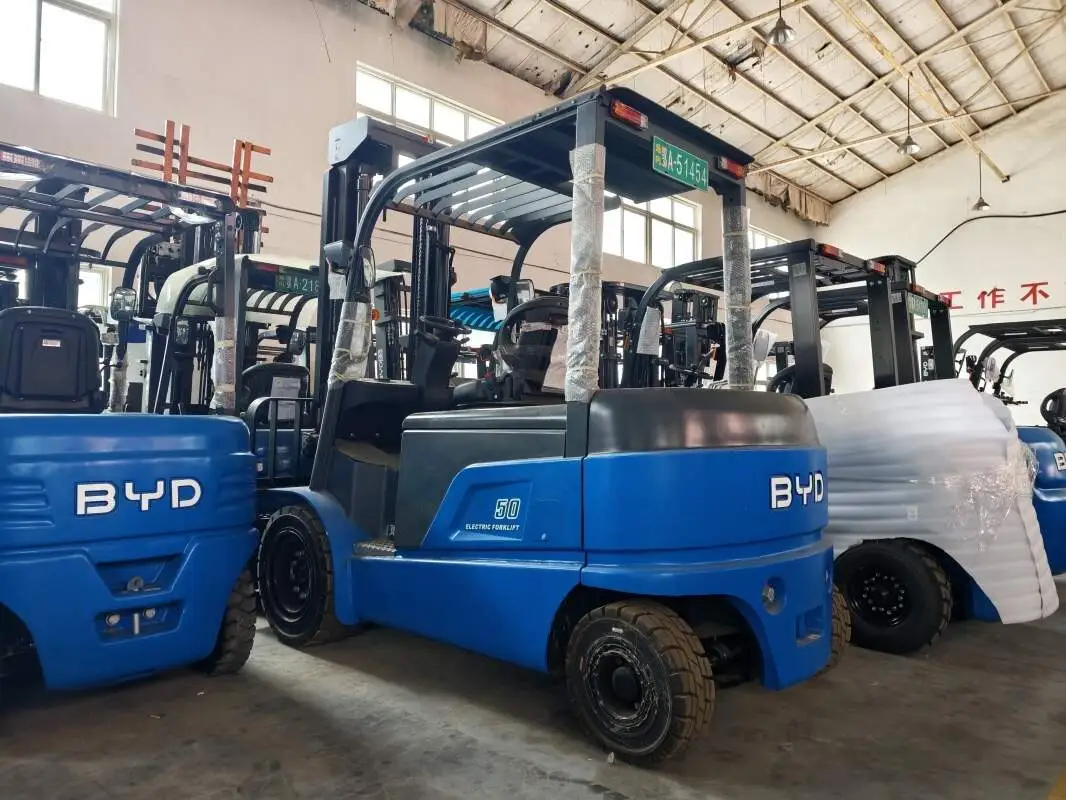
Rough terrain forklifts are engineered to tackle uneven outdoor landscapes, making them vital assets for construction sites, lumber yards, and agricultural operations. Yet their exposure to harsh conditions elevates the risk of wear and mechanical failure, underscoring why a rigorous pre-shift daily inspection is a non-negotiable routine. This practice not only protects operator safety but also extends equipment lifespan and prevents costly unplanned downtime.
Begin with visual and exterior assessments before activating the forklift. Walk around the vehicle to inspect the body for dents, cracks, or structural damage. Focus closely on the forks: check for bending, cracking, or excessive wear on tips and sides, as compromised forks can lead to load instability. Examine lift chains for rust, loose links, or improper tension—adjustments may be needed if chains sag noticeably. Inspect tires for punctures, uneven tread wear, and correct inflation pressure, since underinflated or damaged tires can impair traction and handling on rough ground.
Next, move to powertrain and fluid checks. Open the engine compartment to verify oil levels with the dipstick, ensuring it falls within the recommended range; low oil levels can cause engine overheating and premature wear. Check coolant levels in the reservoir to prevent overheating during extended use, and inspect the radiator for leaks or blockages. Examine hydraulic fluid levels in the reservoir and look for leaks around hoses, seals, or connections—fluid loss can compromise lift and tilt functions. Verify fuel levels to avoid mid-shift refueling delays, and inspect battery terminals for corrosion or loose connections, cleaning and tightening them as needed for reliable starting.
Once exterior and fluid checks are done, start the forklift to test hydraulic and operational systems. Engage the parking brake, then test lift and tilt functions to ensure smooth operation without unusual noises or delays. Confirm control levers respond promptly and return to neutral when released. Test the brake system by driving at low speed and applying brakes—they should engage firmly without pulling to one side. Verify the handbrake holds the vehicle on a slight incline. Check that the steering system is responsive and free from excessive play, which could signal worn components.
Finally, inspect safety and warning devices to meet operational standards. Ensure the seatbelt is intact, with no fraying or damaged buckles, and retracts properly. Test the horn, headlights, taillights, and warning beacons to confirm functionality, as visibility is critical in outdoor work environments. Verify rearview mirrors are clean, properly adjusted, and free from cracks. Locate the fire extinguisher and confirm it is fully charged, within its expiration date, and easily accessible. Inspect the overhead guard and load backrest for structural integrity, as these components shield the operator from falling loads and debris.
By consistently completing these pre-shift checks, operators can identify potential issues before they escalate into major problems. This proactive approach not only boosts workplace safety but also ensures rough terrain forklifts operate at peak efficiency, supporting productivity across various outdoor work settings.